
جدول المحتويات
- Understanding Crude Palm Oil (CPO): The Unrefined Source
- What is Refined Palm Oil? The Processed Powerhouse
- Key Differences: A Side-by-Side Breakdown
- Health Considerations: Which Palm Oil is Better?
- Culinary Uses: Choosing the Right Oil for Your Kitchen
- Beyond the Oil: Other Valuable Palm Products
- Conclusion: Making an Informed Choice
Palm oil is one of the most widely consumed vegetable oils on the planet, found in everything from chocolate bars to shampoo. But not all palm oil is created equal. The fundamental distinction between crude palm oil (CPO) and refined palm oil (RPO) lies in their processing, which dramatically impacts their color, flavor, and nutritional profile. Understanding this is crucial for making informed choices.
This guide will walk you through the entire journey, from the vibrant, nutrient-rich crude oil to the versatile, neutral refined oil. We’ll explore how they are made, their distinct characteristics, and which one is best for your specific needs.
Understanding Crude Palm Oil (CPO): The Unrefined Source
Crude Palm Oil, often called CPO, is the unrefined oil extracted directly from the mesocarp (the fleshy part) of the fruit from the عناقيد ثمار نخيل الزيت. This initial extraction is purely mechanical, involving pressing the fruit to release the oil. This minimal processing is key to its unique properties. The seed inside the fruit, known as the نواة النخيل, is set aside for other uses.
Because it’s unrefined, CPO retains a deep reddish-orange hue. This vibrant color comes from its exceptionally high concentration of carotenoids (a precursor to vitamin A), the same antioxidants found in carrots. In fact, CPO is one of the richest natural sources of beta-carotene, making the nutritional benefits of crude palm oil a significant part of its story.

What is Refined Palm Oil? The Processed Powerhouse
Refined Palm Oil is what most people are familiar with. This is the oil used extensively in the global food industry. It starts as crude palm oil but undergoes a rigorous refining process known as RBD: Refined, Bleached, and Deodorized.
- التحسين: This step uses steam to remove free fatty acids (FFAs), which can cause the oil to go rancid.
- التبييض: The oil is filtered through activated clay to strip away the color pigments, including the beneficial carotenoids. This turns the oil from red to a pale yellow.
- مزيل للروائح: High-pressure steam at high temperatures removes any remaining taste and odor, making the oil neutral.
The result is a highly stable, versatile oil with a high smoke point, perfect for frying and processed foods. However, this stability comes at a nutritional cost, which is a core part of their distinction.
Key Differences: A Side-by-Side Breakdown
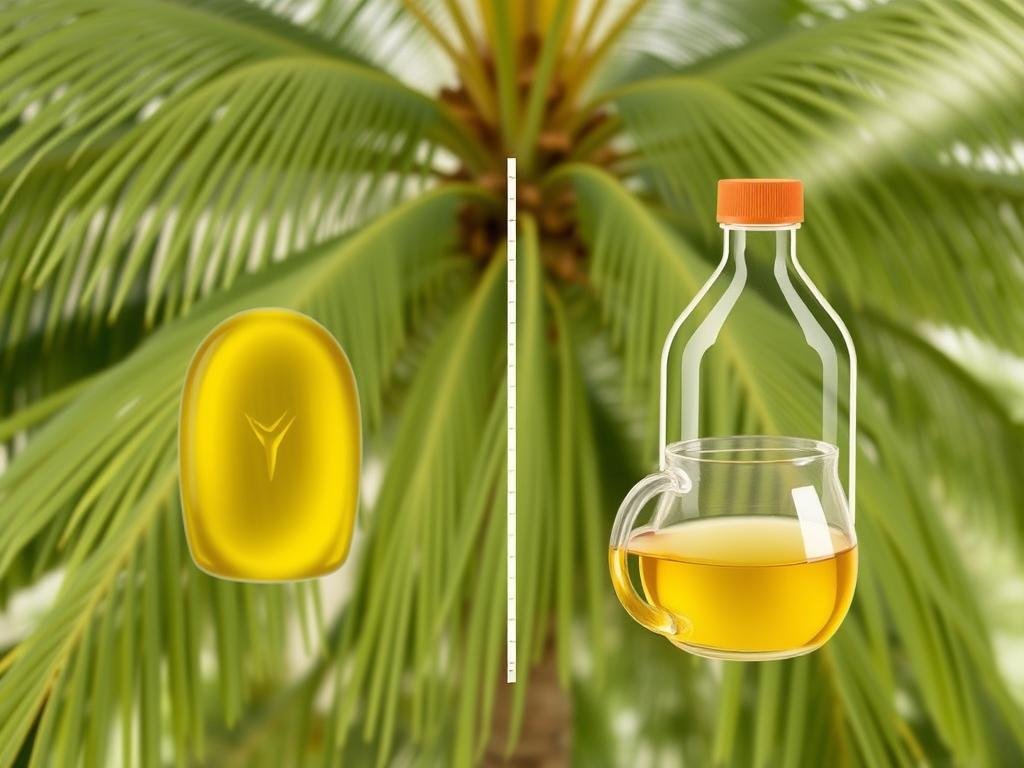
Let’s break down the essential distinctions side-by-side. The most significant distinctions between CPO and RPO can be seen in their nutrition, appearance, and application.

Processing and Nutrition
Crude palm oil is mechanically pressed, preserving its natural nutrient profile. It is rich in carotenoids and tocotrienols (a potent form of Vitamin E), which have powerful antioxidant properties. According to a study in the Journal of Oil Palm Research, these phytonutrients contribute to its health-promoting effects. Refined palm oil, conversely, loses most of these compounds during RBD processing.
Color, Taste, and Aroma
CPO has a strong, earthy taste and a distinct smell, paired with its signature red color. This makes it a characteristic ingredient in traditional cuisines. Refined palm oil is intentionally neutral—it’s odorless, flavorless, and light yellow, ensuring it doesn’t interfere with the taste of the final product.
Health Considerations: Which Palm Oil is Better?
From a nutritional standpoint, زيت النخيل الخام is superior due to its high antioxidant content. The Vitamin A precursors can help combat deficiency, and the tocotrienols are studied for potential neuroprotective benefits. The منظمة الصحة العالمية (WHO) acknowledges the critical role of Vitamin A in vision and immune function.
However, both oils are high in saturated fat. The جمعية القلب الأمريكية recommends limiting saturated fat intake. Therefore, regardless of the type, palm oil should be consumed in moderation. The refining process can also potentially create contaminants if not done under strict controls, a concern addressed by food safety authorities like the الهيئة الأوروبية لسلامة الأغذية (EFSA).
Culinary Uses: Choosing the Right Oil for Your Kitchen
The distinct properties of CPO and refined palm oil dictate their use in the kitchen. Crude palm oil is a staple in many West African and Southeast Asian dishes, where its unique flavor and color are essential.
Refined palm oil is the go-to for deep frying in fast-food restaurants due to its high smoke point (~235°C or 455°F) and resistance to oxidation. It’s also a key structural fat in margarines, confectionery, and baked goods because of its semi-solid texture at room temperature.
Beyond the Oil: Other Valuable Palm Products
Beyond the oils themselves, the palm fruit provides other valuable materials. The meal leftover after oil extraction from the kernel becomes معصرة نواة النخيل, a nutritious animal feed. The hard pits are processed into قشرة نواة النخيل, an efficient biofuel. And just as CPO comes from the fruit’s flesh, a different oil, زيت نواة النخيل, is extracted from the kernel, offering its own unique properties.
Conclusion: Making an Informed Choice
The choice between crude and refined palm oil is a choice between nutrition and neutrality. Crude palm oil offers a rich profile of vitamins and antioxidants, while refined palm oil provides a stable, versatile, and affordable option for modern food production. By understanding the critical difference between crude palm oil and refined palm oil, you can make choices that align with your health goals and culinary needs.
تقدم شركة ماكمور أمانة سجاهتيرا منتجات نخيل عالية الجودة مثل عصارة نواة النخيل، وقشرة نواة النخيل، وزيت النخيل الخام، وزيت نواة النخيل، وغيرها. يرجى التواصل معنا عبر واتساب على الرقم +6282140002198 أو عبر البريد الإلكتروني على admin@makmuramanah.co.id.هل تبحث عن منتجات النخيل عالية الجودة؟
 Arabic
  English
  Indonesian
  Chinese