
جدول المحتويات
جدول المحتويات
- Navigating the Volatile World of Crude Palm Oil Exports
- 1. Unyielding Regulatory & Environmental Scrutiny
- 2. Extreme Market Volatility & Price Instability
- 3. Crippling Supply Chain & Logistical Hurdles
- 4. Shifting Consumer Demands & The Rise of Alternatives
- 5. Escalating Geopolitical Tensions & Trade Barriers
- Partner with an Expert to Navigate the Market
- How to Proactively Mitigate These Crude Palm Oil Export Risks
Navigating the Volatile World of Crude Palm Oil Exports
السوق العالمي لـ زيت النخيل الخام is a multi-billion dollar industry, vital for economies across Southeast Asia and a key ingredient in countless consumer products worldwide. However, exporting this valuable commodity is becoming increasingly complex. As we look towards 2025, exporters face a minefield of challenges that can severely impact profitability and market access. Ignoring these threats is not an option.
Understanding and preparing for the critical risks associated with the زيت النخيل الخام trade is essential for survival and success. From stringent new environmental laws to unpredictable geopolitical shifts, the landscape is fraught with uncertainty. This guide unveils the five most significant export risks you must proactively manage to safeguard your business in the coming year.

1. Unyielding Regulatory & Environmental Scrutiny
The single greatest challenge facing زيت النخيل الخام exporters in 2025 is the ever-tightening net of international regulations. Governments, particularly in the EU and North America, are imposing strict sustainability and anti-deforestation criteria that carry severe penalties for non-compliance.
The EU Deforestation Regulation (EUDR)
The most prominent example is the European Union Deforestation Regulation (EUDR), set to be fully enforced. This law requires companies to prove, through verifiable geolocation data, that their products did not originate from land deforested after 2020. For the زيت النخيل الخام sector, this means a complete overhaul of supply chain traceability from the plantation, through the processing of the نواة النخيل, to the port.
Failure to provide this “due diligence” statement will result in goods being blocked from entering the EU, one of the world’s most lucrative markets. The administrative and technological burden to achieve this level of transparency is a significant risk for small and large exporters alike.
2. Extreme Market Volatility & Price Instability
سعر زيت النخيل الخام is notoriously volatile, influenced by a complex web of interconnected factors. This price instability poses a constant threat to the financial planning and profitability of export operations. Exporters can find their margins wiped out by sudden market shifts that are entirely out of their control.
Key Drivers of Price Fluctuations
- أنماط الطقس: Events like El Niño can drastically reduce fresh عناقيد ثمار نخيل الزيت yields in major producing countries like Indonesia and Malaysia, tightening supply and causing prices to spike.
- Competing Vegetable Oils: The price and availability of alternatives like soybean, sunflower, and rapeseed oil have a direct impact, as do related products like زيت نواة النخيل. A bumper soybean crop in South America, for example, can put downward pressure on زيت النخيل الخام prices.
- السياسات الحكومية: Biodiesel mandates, export levies, and import tariffs in major consuming nations like India and China can alter global demand overnight. Keep an eye on resources like the World Bank’s Commodity Markets Outlook for insights.
3. Crippling Supply Chain & Logistical Hurdles
Getting زيت النخيل الخام from the mill to the destination market is a massive logistical operation. In recent years, global supply chains have shown their fragility, and these disruptions present a major operational risk. Delays not only increase costs but can also damage reputations and lead to contract cancellations.
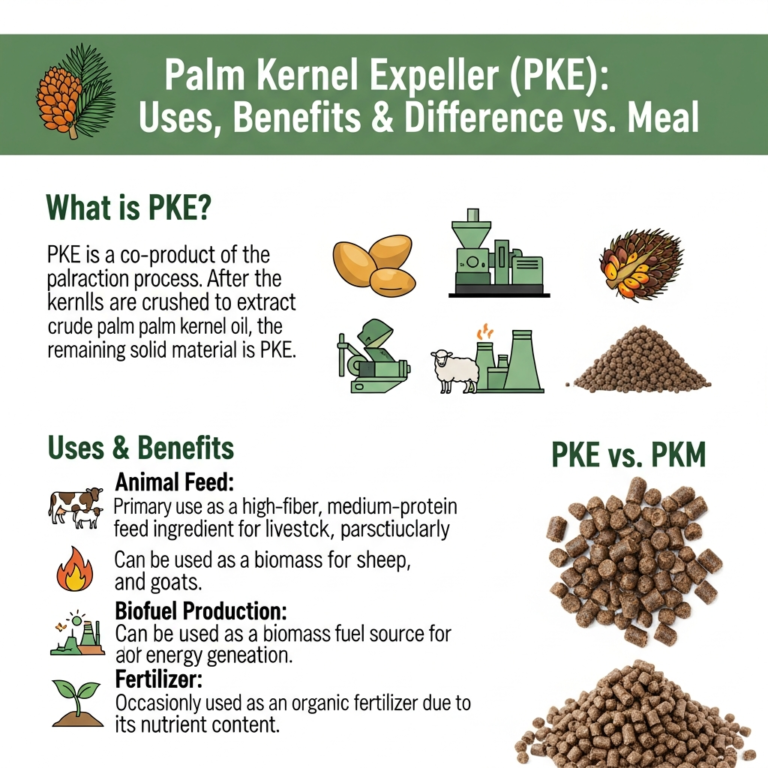
Exporters in 2025 must contend with port congestion, vessel shortages, and soaring freight costs. This “logistical nightmare” requires sophisticated planning, including managing the entire product stream efficiently. This involves not just the oil but also valuable byproducts such as معصرة نواة النخيل (PKE)، المستخدم في علف الحيوانات، و قشرة نواة النخيل, a key resource for biomass energy. Building resilient supply chains is no longer a luxury—it’s a necessity.
4. Shifting Consumer Demands & The Rise of Alternatives
In Western markets, consumer awareness regarding the environmental impact of زيت النخيل الخام is at an all-time high. This has fueled a powerful “palm-oil-free” movement, with many food and cosmetic brands reformulating their products to avoid it altogether. This shift in sentiment is a long-term market risk that cannot be ignored.
While global demand remains strong, particularly in Asia and Africa, erosion of market share in high-value Western economies is a serious concern. Exporters must now not only sell a commodity but also combat negative perceptions by promoting certified sustainable زيت النخيل الخام (CSPO). Highlighting certifications like the المائدة المستديرة حول زيت النخيل المستدام (RSPO) is crucial for maintaining a social license to operate.

5. Escalating Geopolitical Tensions & Trade Barriers
The world is entering a phase of increased protectionism and trade friction. A trade dispute between major economic blocs can result in sudden tariffs or non-tariff barriers being placed on agricultural commodities, including زيت النخيل الخام. These politically motivated actions can close off entire markets with little to no warning.
For example, a country might impose high import duties on زيت النخيل الخام to protect its domestic oilseed farmers, disrupting established trade flows. Exporters must stay informed about international relations and trade policy by following organizations like the منظمة التجارة العالمية (WTO). Diversifying your export markets is a key strategy to mitigate the risk of being over-exposed to a single country’s political whims.
Partner with an Expert to Navigate the Market
Navigating these complex export risks requires a reliable and expert partner. You need a supplier who not only delivers high-quality products but also understands the intricacies of global compliance and logistics. This is where Makmur Amanah Sejahtera excels.
As a trusted, world-class supplier, we provide fully traceable and sustainable palm products to safeguard your business. Our diverse portfolio includes premium زيت النخيل الخام, versatile زيت نواة النخيل, and essential byproducts like high-protein معصرة نواة النخيل and eco-friendly قشرة نواة النخيل.
Don’t let market volatility and regulatory hurdles disrupt your business. Secure your supply chain with a partner dedicated to transparency, quality, and excellence. Contact our expert team today to discuss your specific needs and build a resilient procurement strategy for 2025 and beyond.
- واتساب: +6282140002198
- بريد إلكتروني: admin@makmuramanah.co.id
How to Proactively Mitigate These Crude Palm Oil Export Risks
The challenges facing زيت النخيل الخام exporters in 2025 are formidable, but not insurmountable. Proactive and strategic risk management is the key to navigating this complex environment. Success hinges on embracing transparency, investing in technology for traceability to comply with regulations like EUDR, and diversifying markets to hedge against geopolitical and price volatility.
By staying informed, building resilient supply chains, and championing certified sustainable practices, exporters can not only avoid these critical risks but also build a more robust and profitable business for the future. The era of simply producing and shipping is over; the future belongs to the smartest and most adaptable players in the global زيت النخيل الخام سوق.

 Arabic
  English
  Indonesian
  Chinese