
جدول المحتويات
- ما هي عنقود ثمار النخيل الفارغ (EFB)؟10 Proven Profitable Uses for Empty Palm Fruit Bunch (EFB)
- 1. إنتاج الوقود الحيوي والطاقة الحيوية2. السماد العضوي والأسمدة3. إنتاج اللب والورق4. ألواح الألياف متوسطة الكثافة (MDF)5. Animal Feed Formulation6. التغطية الزراعية7. ركيزة زراعة الفطر8. Bioplastic and Composite Materials9. Activated Carbon Manufacturing10. Eco-Friendly Building Insulation
ما هي عنقود ثمار النخيل الفارغ (EFB)؟
An Empty Palm Fruit Bunch is the fibrous stalk left over after fresh fruitlets are stripped away to produce essential goods like زيت النخيل الخام (CPO) و زيت نواة النخيل (PKO). These bunches are rich in lignocellulosic material—cellulose, hemicellulose, and lignin—making them a tough and highly fibrous organic resource. For every ton of CPO produced, mills generate over a ton of EFB. This immense volume presents a logistical challenge, but its organic composition makes it an ideal raw material for a wide range of value-added products, from energy to advanced materials. The process also yields other valuable byproducts like the نواة النخيل نفسها.
10 Proven Profitable Uses for Empty Palm Fruit Bunch (EFB)
From energy grids to farm fields, the applications for EFB are diverse and rapidly growing. Here are 10 of the most profitable and impactful uses for this versatile biomass.1. إنتاج الوقود الحيوي والطاقة الحيوية
One of the most established uses for EFB is generating energy. It can be converted into solid fuels like pellets and briquettes, which are denser and easier to transport. These serve as a cleaner alternative to coal, alongside other biomass fuels like the قشرة نواة النخيل. Many mills use EFB directly in boilers to create steam and electricity, reducing their reliance on fossil fuels. According to the الوكالة الدولية للطاقة المتجددة (IRENA), biomass is critical for a sustainable energy future.2. السماد العضوي والأسمدة
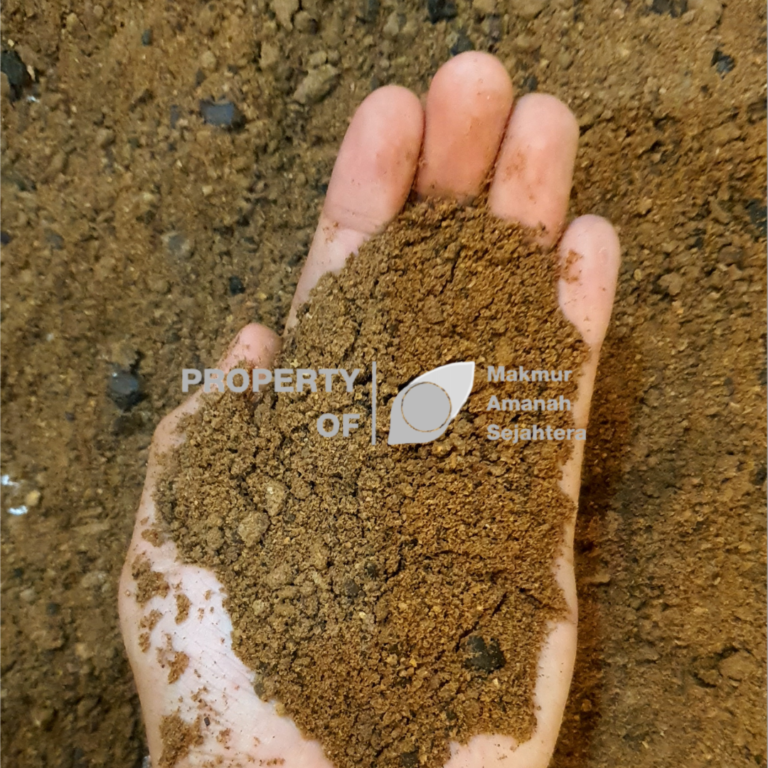
The high nutrient content of EFB, especially potassium, makes it an excellent material for compost. When shredded, EFB decomposes into a rich organic fertilizer that improves soil structure, water retention, and microbial health. This natural alternative reduces the need for chemical fertilizers and promotes sustainable agriculture.3. إنتاج اللب والورق
The long fibers in EFB are a viable, non-wood alternative for producing pulp and paper. This application helps alleviate pressure on forests and supports a more sustainable paper production cycle. As technology advances, EFB-based paper is becoming an increasingly attractive and eco-friendly option for packaging and other materials.4. ألواح الألياف متوسطة الكثافة (MDF)
The construction and furniture industries can benefit greatly from EFB. Its fibers can be processed and bonded with resin to create Medium-Density Fibreboard (MDF) and particleboard. These EFB-based boards serve as a sustainable substitute for traditional wood panels, contributing to green building initiatives.
5. Animal Feed Formulation
After treatment to break down the tough lignin, EFB serves as an excellent source of roughage in animal feed, particularly for ruminants like cattle. While it’s not a primary protein source like معصرة نواة النخيل, it adds essential bulk fiber to the diet, which aids digestion and turns a waste stream into a valuable agricultural input.6. التغطية الزراعية
In its shredded form, EFB is an excellent mulching material. Spreading it around crops helps retain soil moisture, suppress weed growth, and regulate soil temperature. As it slowly decomposes, it also releases nutrients, acting as a natural slow-release fertilizer. The منظمة الأغذية والزراعة (الفاو) champions such practices for maintaining long-term soil health.7. ركيزة زراعة الفطر
The cellulose-rich composition of EFB makes it a perfect substrate for growing edible mushrooms like the oyster mushroom. The material is sterilized and inoculated with mushroom spawn, creating a profitable cottage industry and producing a high-value food product from agricultural byproducts.8. Bioplastic and Composite Materials
A major frontier in EFB utilization is its role in creating bioplastics. Researchers are extracting nanocellulose from EFB fibers to reinforce polymers, making them stronger and more eco-friendly. As detailed in studies on platforms like ساينس دايركت, this research is paving the way for sustainable alternatives to petroleum-based plastics.9. Activated Carbon Manufacturing
Through pyrolysis, EFB can be converted into activated carbon. This highly porous material has an immense surface area, making it ideal for filtration and purification. EFB-derived activated carbon is used in water treatment, air purification, and various other industrial processes.10. Eco-Friendly Building Insulation
The fibrous nature of EFB provides excellent thermal and acoustic insulation properties. The fibers can be treated and formed into insulation batts or panels for walls and ceilings. This offers a sustainable, low-cost, and biodegradable alternative to conventional insulation materials like fiberglass.Key Benefits of Utilizing EFB
- Environmental Impact: Utilizing EFB significantly reduces landfill waste and prevents the release of methane. Using it as a biofuel also displaces fossil fuels, lowering the industry’s carbon footprint, a goal supported by organizations like the الصندوق العالمي للطبيعة (WWF).Economic Advantages: It creates new revenue streams for palm oil mills. Instead of paying for disposal, companies can sell EFB as a raw material, boosting their bottom line and fostering a circular economy.Resource Efficiency: Using EFB for paper, building materials, and plastics reduces the demand for virgin resources like wood, contributing to forest conservation and sustainable resource management.
The Future of EFB Technology
The journey of the Empty Palm Fruit Bunch from waste to wealth is just beginning. Ongoing research is focused on biorefinery concepts, where EFB is used to produce a spectrum of high-value biochemicals and advanced materials. These integrated processes aim for zero waste, maximizing the value of every part of the biomass. As technology matures, we can expect even more sophisticated applications to emerge.خاتمة
The Empty Palm Fruit Bunch is a powerful example of industrial transformation. Its 10 profitable uses—from generating clean energy and enriching soil to creating sustainable materials—demonstrate its immense versatility. By embracing these applications, the palm oil industry can build a more sustainable, efficient, and profitable future. For businesses and innovators, EFB is not a waste product but a resource rich with opportunity.مصدرك لمنتجات النخيل المستدامة
هل تبحث عن منتجات النخيل عالية الجودة؟
تقدم شركة ماكمور أمانة سجاهتيرا منتجات نخيل عالية الجودة مثل عصارة نواة النخيل، وقشرة نواة النخيل، وزيت النخيل الخام، وزيت نواة النخيل، وغيرها. يرجى التواصل معنا عبر واتساب على الرقم +6282140002198 أو عبر البريد الإلكتروني على admin@makmuramanah.co.id.
الأسئلة الشائعة
1. What is EFB primarily used for?
EFB has many uses, but its most common and profitable applications are in bioenergy production (as pellets or briquettes), as an organic fertilizer and compost for agriculture, and for mulching in plantations to conserve soil moisture.2. Is Empty Palm Fruit Bunch considered waste?
While traditionally considered an agricultural waste product, EFB is now recognized as a valuable biomass resource. The shift towards a circular economy has transformed it into a key raw material for numerous industries, effectively turning “waste into wealth.”3. How is EFB converted into energy?
EFB can be converted into energy in two main ways. First, it can be burned directly in industrial boilers to produce steam, which drives turbines to generate electricity. Second, it can be processed into densified solid fuels like pellets or briquettes, which have higher energy content and are easier to transport and store.
 Arabic
  English
  Indonesian
  Chinese