جدول المحتويات
- ما هو RBD Palm Olein؟
- Understanding the “CP” Rating: Cloud Point Explained
- Deep Dive: A Detailed Look at RBD Palm Olein CP8 vs CP10 vs CP6
- Key Differences Summarized: CP8 vs CP10 vs CP6 at a Glance
- Application Guide: Which CP Grade is Right for Your Business?
- Crucial Factors to Consider When Sourcing Palm Olein
- Conclusion: Making the Right Choice
Navigating the world of edible oils can be complex, especially when faced with technical specifications. For buyers in the food industry, making the right choice in the RBD Palm Olein CP8 vs CP10 vs CP6 debate is crucial for product quality, stability, and cost-effectiveness. This guide will demystify these terms, helping you select the perfect oil for your needs.
ما هو RBD Palm Olein؟
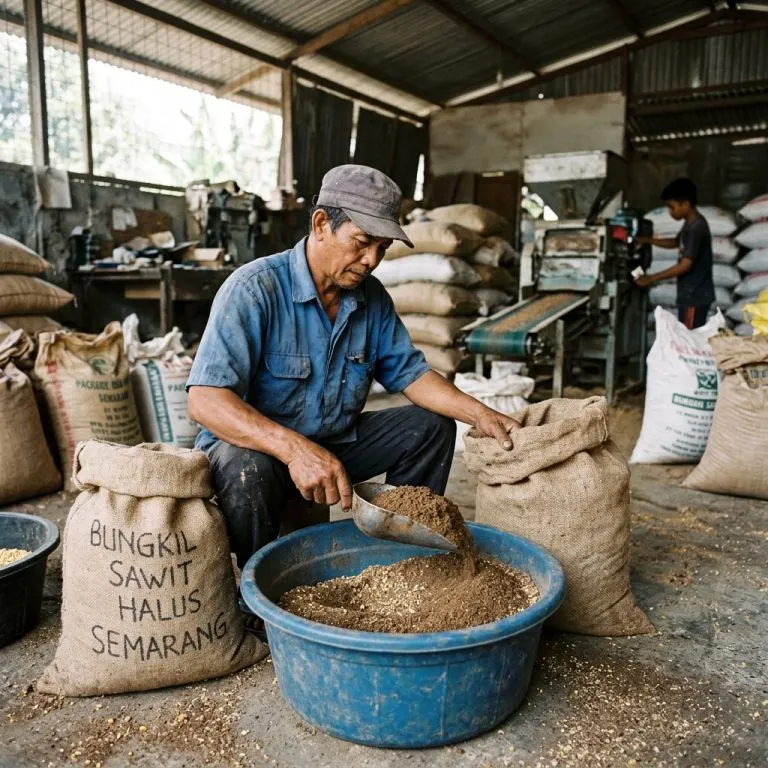
First, let’s break down the name. RBD Palm Olein stands for مكرر ومبيض ومزال الرائحة (Refined, Bleached, and Deodorized) Palm Olein. It is the liquid fraction derived from زيت النخيل الخام, which is extracted from the pulp of the palm fruit. After the oil is extracted, the entire fruit provides other valuable materials. The stone of the fruit contains the نواة النخيل, which can be crushed to produce زيت نواة النخيل and the valuable animal feed, معصرة نواة النخيل. Even the leftover fibrous material, known as the عناقيد ثمار نخيل الزيت, and the hard قشرة نواة النخيل are used as biofuel. The crude palm oil itself undergoes fractionation, a crystallization process at controlled temperatures, to separate the liquid olein from the solid stearin. This subsequent refining is critical as it removes impurities, yielding a stable, bland-tasting, and light-colored oil.
Because of its high stability and resistance to oxidation, RBD palm olein is one of the most widely used cooking and frying oils in the world. Its neutral flavor profile ensures that it does not alter the taste of food, making it a favorite for food manufacturers and restaurants.
Understanding the “CP” Rating: Cloud Point Explained
The “CP” in CP8, CP10, or CP6 stands for نقطة التغبيش (Cloud Point). This is the single most important metric in the RBD Palm Olein CP8 vs CP10 vs CP6 discussion. The Cloud Point is the temperature at which the oil starts to become cloudy or hazy as wax crystals begin to form.
A lower Cloud Point indicates better performance in cooler conditions, as the oil will remain clear and liquid at lower temperatures. This is a vital quality parameter, especially for products sold in temperate climates or for applications like salad dressings that require the oil to remain clear. The American Oil Chemists’ Society (AOCS) provides official methods for testing Cloud Point, ensuring a global standard.

Deep Dive: A Detailed Look at RBD Palm Olein CP8 vs CP10 vs CP6
While all are derived from palm oil, the differences in Cloud Point lead to distinct applications and price points. Understanding the nuance between these grades is key for any serious buyer.
RBD Palm Olein CP10: The Industry Standard
RBD Palm Olein CP10 has a Cloud Point of 10°C. This is the most widely produced and consumed grade of palm olein globally. It offers an excellent balance of affordability and performance for most general-purpose applications, especially in warmer climates.
- Key Feature: Most cost-effective.
- Best For: General deep-frying, industrial frying (instant noodles, snacks), and cooking in tropical regions.
- Limitation: It will solidify and become cloudy once temperatures drop below 10°C, which can be an aesthetic issue for some products.
RBD Palm Olein CP8: The Versatile Mid-Grade
With a Cloud Point of 8°C, RBD Palm Olein CP8 offers superior cold stability compared to CP10. It is produced through a more precise fractionation process, which makes it slightly more expensive. This grade is a popular choice for markets in temperate climates where temperatures can fluctuate.
- Key Feature: Better resistance to cold weather clouding.
- Best For: Bottled cooking oil for retail, shallow frying, and manufacturing food products for regions with moderate seasons.
- Limitation: Costs more than CP10 and may still not be suitable for refrigerated applications.
RBD Palm Olein CP6 (Super Olein): The Premium Grade
RBD Palm Olein CP6, often marketed as “Super Olein,” has a maximum Cloud Point of 6°C. It undergoes a double fractionation process to remove more saturated fatty acids, resulting in excellent clarity at lower temperatures. This is the premium choice when appearance and liquidity are paramount.
- Key Feature: Superior cold stability and clarity.
- Best For: Salad dressings, mayonnaise, manufacturing liquid cooking oils for cold climates, and as a spray oil for cereals and snacks.
- Limitation: It is the most expensive of the three due to the extra processing required.
Key Differences Summarized: CP8 vs CP10 vs CP6 at a Glance
To simplify the RBD Palm Olein CP8 vs CP10 vs CP6 comparison, here is a table that highlights the primary distinctions every buyer should know.
| Attribute | RBD Palm Olein CP10 | RBD Palm Olein CP8 | RBD Palm Olein CP6 |
|---|---|---|---|
| نقطة التغبيش (Cloud Point) | 10°C | 8°C | 6°C |
| Cold Stability | Standard | جيد | ممتاز |
| Common Use | Industrial Deep Frying | General Cooking Oil | Salad Oils, Premium Bottled Oil |
| المعالجة | تجزئة أحادية | تجزئة أحادية | تجزئة مزدوجة |
| Relative Price | $ | $$ | $$$ |
Application Guide: Which CP Grade is Right for Your Business?
Choosing the right grade goes beyond just the Cloud Point; it’s about matching the oil’s properties to your product’s requirements and target market.
- For Bulk Industrial Frying: If you are a large-scale manufacturer of products like instant noodles or potato chips, CP10 is almost always the most economical choice. Its performance at high temperatures is excellent, and clouding is not a concern during the frying process.
- For Bottled Cooking Oil: Your choice depends on your target market’s climate. CP10 is fine for tropical countries, but for Europe or North America, CP8 is a much safer bet to prevent customer complaints about solidified oil in winter. For a premium “winterized” oil, CP6 is the best option.
- For Salad Dressings & Mayonnaise: CP6 is the only suitable option. These products are often refrigerated, and using CP8 or CP10 would result in a solid, unappealing final product. The excellent cold stability of CP6 ensures the dressing remains liquid and emulsified.
For more detailed insights on oil applications, a journal article from a source like ساينس دايركت can provide in-depth scientific backing on its functional properties.

Crucial Factors to Consider When Sourcing Palm Olein
The decision in the RBD Palm Olein CP8 vs CP10 vs CP6 analysis is just the first step. As a buyer, you must also consider other factors to ensure you receive a high-quality product.
- Supplier Reputation and Certifications: Always partner with suppliers who provide a full Certificate of Analysis (CoA) and hold international food safety certifications like ISO 22000 or HACCP.
- Sustainability: The palm oil industry has faced scrutiny over environmental concerns. Look for suppliers who are members of the Roundtable on Sustainable Palm Oil (RSPO) to ensure your sourcing is ethical and sustainable.
- Packaging and Logistics: Ensure the oil is packaged correctly to prevent oxidation and contamination during transit. Common packaging options include jerry cans, drums, and flexitanks.
- Regulatory Compliance: The oil must meet the food safety standards of the destination country. For instance, regulations set by the U.S. Food and Drug Administration (FDA) may differ from those in the European Union.
To learn more about finding the right partner, explore our guide on choosing a reliable supplier.
Conclusion: Making the Right Choice
في الختام، فإن RBD Palm Olein CP8 vs CP10 vs CP6 choice is a balance of performance, application, and price. CP10 is the cost-effective workhorse for high-temperature frying. CP8 offers a versatile middle ground with better cold stability for varied climates. CP6, or Super Olein, is the premium grade for applications where clarity and low-temperature liquidity are non-negotiable.
By understanding the critical role of the Cloud Point and aligning it with your product’s end-use and market, you can make an informed purchasing decision that enhances product quality and optimizes costs. Always demand clear specifications and work with trusted suppliers to ensure you get the right grade for your business.
هل تبحث عن منتجات النخيل عالية الجودة؟
توفر Makmur Amanah Sejahtera منتجات نخيل عالية الجودة مثل Palm Kernel Expeller وPalm Kernel Shell وCrude Palm Oil وPalm Kernel Oil وغيرها. يرجى التواصل معنا عبر WhatsApp على الرقم +6282140002198 أو مراسلتنا عبر البريد الإلكتروني admin@makmuramanah.co.id.