
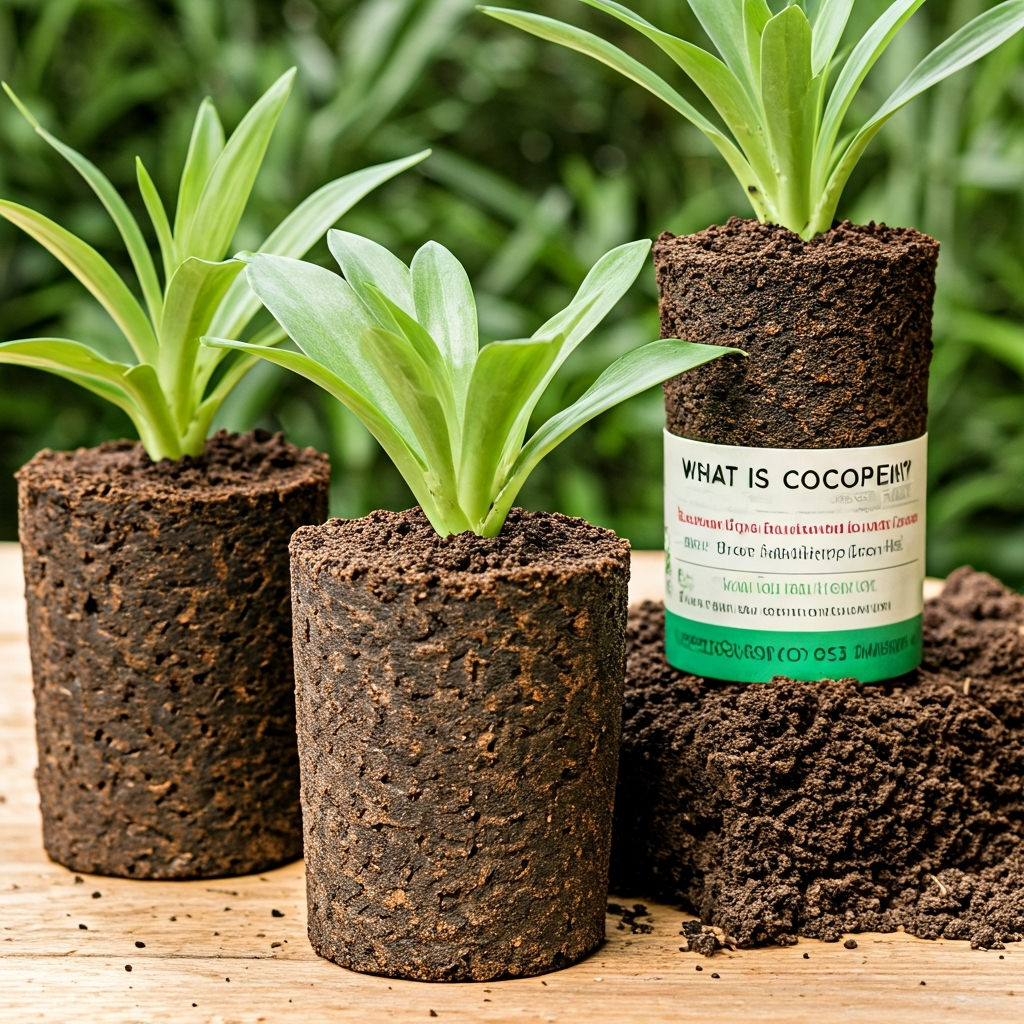
What is Cocopeat? The Complete Guide to Its Uses for Thriving Plants
What is cocopeat and how can it fundamentally transform your gardening success in 2024? If you’ve been searching for a sustainable, effective, and versatile growing medium, you’ve arrived at the definitive resource. Many gardeners struggle with poor soil drainage, compaction, and the environmental concerns of traditional peat moss, leading to lackluster plant growth.
This guide illuminates the solution: cocopeat. Derived from the humble coconut, this powerhouse amendment solves common gardening woes by improving soil structure, retaining the perfect amount of moisture, and providing a superior environment for root development.
A study in the International Journal of Recycling of Organic Waste in Agriculture confirms this, noting that coconut coir-based substrates consistently demonstrate excellent physical and chemical properties for horticulture. We will explore precisely how to leverage this incredible material for a thriving garden.
What is Cocopeat Made From? From Coconut Husk to Garden Gold
Cocopeat, also known as coir pith or coco coir, is a 100% natural fiber derived from the husk of coconuts. For centuries, this material was considered a waste product of the coconut industry, which primarily focused on the kernel for food and oil. However, horticulturalists discovered its remarkable properties as a soil amendment and growing medium.
The process involves separating the long fibers (used for ropes and textiles) from the pith, or dust, which is then washed, heat-treated, and screened. This material is then dried and compressed into blocks, bricks, or sold loose. The result is a sterile, pH-neutral, and highly absorbent product ready for your garden. This sustainable cycle turns potential waste into a valuable resource for gardeners worldwide, aligning perfectly with eco-friendly cultivation practices.
[Image: A close-up shot showing the fine, earthy texture of loose, hydrated cocopeat in a gardener’s hands. Alt Text: A gardener holding a handful of hydrated cocopeat, demonstrating its fine texture which answers the question ‘what is cocopeat’. Title: The Fine Texture of High-Quality Cocopeat.]
The Science Behind Coco Coir: Understanding CEC and pH
To truly appreciate what this medium offers, it’s essential to understand two key scientific properties: Cation Exchange Capacity (CEC) and pH level.
These factors dictate how a growing medium interacts with nutrients and ultimately supports plant life.
Understanding Cation Exchange Capacity (CEC) in Cocopeat
Coco coir boasts an excellent Cation Exchange Capacity. CEC is a measure of a medium’s ability to hold and release positively charged ions (cations), which include essential plant nutrients like calcium, magnesium, and potassium. A high CEC means the substrate acts like a nutrient reservoir, holding onto fertilizers and releasing them slowly to the plant’s roots as needed. This prevents nutrient leaching and ensures a steady supply of food for your plants, leading to more robust growth.
Stable pH and Electrical Conductivity (EC)
One of the most significant advantages of high-quality cocopeat is its stable and near-neutral pH, typically ranging from 5.5 to 6.8. This is the ideal pH range for most plants, as it allows for maximum nutrient uptake. Furthermore, raw coir pith is washed to reduce its Electrical Conductivity (EC), which is a measure of salt content. Low EC is crucial because high salt levels can be toxic to plants and inhibit water absorption. Always choose a reputable supplier like Makmur Amanah Sejahtera to ensure you get low-EC, properly buffered coir.
Buffered vs. Unbuffered Coco Coir: A Critical Choice
When selecting your growing medium, you’ll encounter the terms “buffered” and “unbuffered.” Understanding the difference is critical for preventing nutrient deficiencies, particularly in calcium and magnesium. Unbuffered coir has a high affinity for these cations and will ‘steal’ them from your initial fertilizer applications, starving your plants. Buffered coco coir has been pre-treated to satisfy this exchange capacity, ensuring nutrients go directly to your plants.
Here is a comparison to help you decide:
| ميزة | Buffered Coir | Unbuffered Coir |
|---|---|---|
| Nutrient Availability | Nutrients (especially Ca & Mg) are immediately available to plants. | Locks up calcium and magnesium initially, potentially causing deficiencies. |
| Pre-treatment | Soaked in a calcium nitrate solution to displace sodium and potassium. | Typically only washed with fresh water to lower EC (salt content). |
| أفضل حالة استخدام | Hydroponics, sensitive plants, and professional growers who need precise nutrient control. | General soil amending, where soil minerals can buffer the effect. |
| يكلف | Slightly higher due to the extra processing step. | Generally more affordable. |
For serious growers and hydroponic systems, buffered cocopeat is the only professional choice. The small additional cost prevents significant headaches from nutrient lockout down the line.
[Image: Side-by-side comparison showing two seedlings. One in a healthy cocopeat mix, thriving and green. The other in poor soil, looking weak and yellow. Alt Text: A visual comparison showcasing the benefits of what is cocopeat for plant health versus poor soil. Title: The Difference Cocopeat Makes for Seedlings.]
7 Incredible Benefits of Using Coco Coir in Your Garden
The advantages of incorporating this versatile medium into your gardening routine are extensive. It’s more than just a filler; it’s an active component for a healthier soil ecosystem.
- احتفاظ استثنائي بالماء: Coir pith can hold up to 10 times its weight in water. This means less frequent watering and a consistent moisture supply for your plants, reducing water waste by up to 60%.
- تهوية فائقة: Despite its high water retention, coco coir remains light and does not compact. This structure allows for excellent oxygen flow to the root zone, which is crucial for preventing root rot and promoting vigorous growth.
- مستدام ومتجدد: Unlike peat moss, which is harvested from ancient bogs at an unsustainable rate, cocopeat is a byproduct of the renewable coconut industry. Using it helps reduce waste and protect sensitive wetland ecosystems. For more on sustainable byproducts, consider the uses of materials like وجبة جوز الهند أو معصرة نواة النخيل.
- Neutral and Stable pH: As mentioned, its ideal pH range (5.5-6.8) makes it suitable for a vast majority of plants without the need for lime amendments, unlike acidic peat moss.
- Pest and Disease Resistance: This substrate is naturally resistant to many common soil-borne pests and fungal diseases. Its sterile nature makes it an excellent choice for seed starting and sterile growing environments.
- Encourages Strong Root Growth: The unique combination of aeration and moisture encourages plants to develop extensive, healthy root systems. The fibrous structure allows roots to penetrate easily and grow without restriction.
- قابل لإعادة الاستخدام ومتين: The medium breaks down very slowly over several years. This means you can reuse it for multiple growing cycles, offering excellent long-term value. After a crop, simply shake it from the roots, rinse, and re-buffer if necessary.
How to Prepare and Use What is Cocopeat for Maximum Growth
One of the most common forms of cocopeat is the compressed brick or block. This form is cost-effective for shipping but requires preparation before use.
Here’s how to do it correctly.
Step 1: Rehydration
Place your compressed cocopeat brick in a large container, such as a wheelbarrow or a large tote. For a standard 5 kg (11 lb) block, you will need approximately 20-25 liters (5-7 gallons) of water. Pour the water over the brick and let it sit. It will begin to expand almost immediately.
Step 2: Expansion and Fluffing
After 20-30 minutes, the brick will have absorbed the water and expanded to about 50-70 liters in volume. Use a small shovel or your hands to break apart the remaining compressed sections. The final texture should be light, fluffy, and moist, like a wrung-out sponge.
Step 3: Creating Your Mix for Your Plants
While some plants can grow in 100% cocopeat (especially in hydroponics), it’s often best to create a mix for potted plants or garden beds. Here are some proven recipes:
- For General Potting: 50% Cocopeat, 30% Perlite/Pumice (for extra drainage), 20% Compost/Worm Castings (for nutrients).
- لبدء استنبات البذور: 70% Cocopeat, 30% Perlite. This provides a sterile, moist environment perfect for germination.
- For Amending Clay Soil: Till a 2-3 inch layer of hydrated cocopeat into the top 6-8 inches of your garden beds to break up heavy soil and improve aeration.
What is Cocopeat vs. Peat Moss: A Sustainable Choice
For decades, peat moss was the go-to soil amendment. However, growing environmental awareness has highlighted its significant downsides. Harvesting peat moss involves draining ancient peat bogs, which are vital carbon sinks and unique ecosystems. This process releases vast amounts of CO2 into the atmosphere and destroys habitats that have taken thousands of years to form. As stated by the International Union for Conservation of Nature (IUCN), protecting peatlands is critical for climate change mitigation.
Cocopeat presents a starkly superior alternative. It utilizes a waste product from a rapidly renewable resource—coconuts, which are harvested annually. By choosing coir, you are actively voting for a more sustainable and environmentally responsible gardening practice without sacrificing performance. While some agricultural byproducts are used for energy, such as قشرة نواة النخيل, cocopeat’s value in horticulture provides a powerful green alternative.
Makmur Amanah Sejahtera نُقدّم منتجات نخيل عالية الجودة مثل مُستخلص نواة النخيل، وقشور نواة النخيل، وزيت النخيل الخام، وزيت نواة النخيل، وغيرها. يُرجى التواصل معنا على واتساب +6282140002198 أو راسلنا عبر البريد الإلكتروني على admin@makmuramanah.co.id.
[Image: An infographic-style visual showing a coconut on one side, arrows pointing to a block of cocopeat in the middle, and a thriving potted plant on the other side. Text overlays highlight key benefits: “Eco-Friendly,” “Water-Saving,” “Better Roots”. Alt Text: Infographic explaining what is cocopeat, showing its journey from coconut to a thriving plant. Title: From Coconut to Thriving Plant: The Cocopeat Journey.]
الأسئلة الشائعة (FAQ)
1. What are the disadvantages of cocopeat?
The main disadvantages stem from low-quality, unbuffered coco coir, which can have high salt content (EC) and may lock up calcium and magnesium. It also contains no native nutrients, so you must provide all plant food via fertilizers. Always source high-grade, buffered cocopeat to avoid these issues.
2. How often should I water plants in cocopeat?
This depends on the plant and conditions, but significantly less often than with traditional potting soil. The best method is to check the top 1-2 inches. If it feels dry to the touch, it’s time to water. Its high water-holding capacity acts as a buffer against under-watering.
3. Can cocopeat be reused?
Absolutely. Cocopeat has a very slow decomposition rate, so it can be reused for several growing cycles. After your harvest, simply remove the old root ball, shake the coir loose, and rinse it thoroughly. For best results, consider re-buffering it with a Cal-Mag solution before replanting.
4. Is cocopeat better than soil for all plants?
Not necessarily. While it’s a superior *component* of a soil mix and a fantastic medium for hydroponics, it’s not a direct replacement for soil in all situations. Soil contains a complex web of microorganisms and minerals that this substrate lacks. It’s best used to *improve* soil or as a base for a custom soilless mix.
5. How long does a compressed cocopeat brick last?
In its compressed, dry form, a cocopeat brick will last indefinitely if stored in a dry place away from direct sunlight. Once hydrated, it remains a stable growing medium for 2-4 years before it begins to break down and compact, making it a very long-lasting and economical choice.
Conclusion: The Future of Gardening is Here
In conclusion, the question of what is cocopeat is answered not just by its definition as a coconut byproduct, but by its performance as a superior, sustainable, and highly effective tool for modern gardeners. It addresses the critical needs for water conservation, aeration, and root support while being an environmentally responsible alternative to peat moss. By understanding its properties and how to prepare it correctly, you can unlock a new level of success in your garden, from seed starting to container gardening and beyond. Embrace the power of cocopeat and watch your plants thrive like never before.
[Image: A beautiful, thriving garden with lush, green potted plants of various types, showcasing the end result of using high-quality cocopeat. Alt Text: A beautiful garden full of thriving plants, demonstrating the ultimate result of understanding what is cocopeat. Title: The Results of a Cocopeat-Enriched Garden.]
[Video Suggestion: A YouTube video titled “How to Prepare a Cocopeat Brick in Under 5 Minutes – The Ultimate Guide”. The video would show a time-lapse of a brick expanding and then a real-time demonstration of how to fluff it and mix it into a potting soil blend.]



