
Copra Meal for Animal Feed: The Ultimate Guide (2026)
Copra meal for animal feed is one of the most powerful yet underutilized resources available to modern livestock producers. As global feed costs continue to rise, finding sustainable and cost-effective alternatives is no longer just an option—it’s a necessity for survival and profitability.
بحسب منظمة الأغذية والزراعة (الفاو), by-products like copra are essential for sustainable animal production systems worldwide.
This comprehensive guide provides everything you need to know about integrating this valuable coconut by-product into your feeding strategy. We will explore its outstanding nutritional profile, proven benefits, and practical applications for various types of livestock, empowering you to make informed decisions for your operation.
What Exactly is Copra Meal? A Foundational Overview
At its core, copra meal is the by-product of oil extraction from dried coconut flesh (copra). Once the valuable coconut oil is removed, the remaining material is a protein and fiber-rich meal that serves as an excellent ingredient in livestock rations.
Globally, it is also known by various names, including coconut meal and copra cake, depending on the extraction process and region.
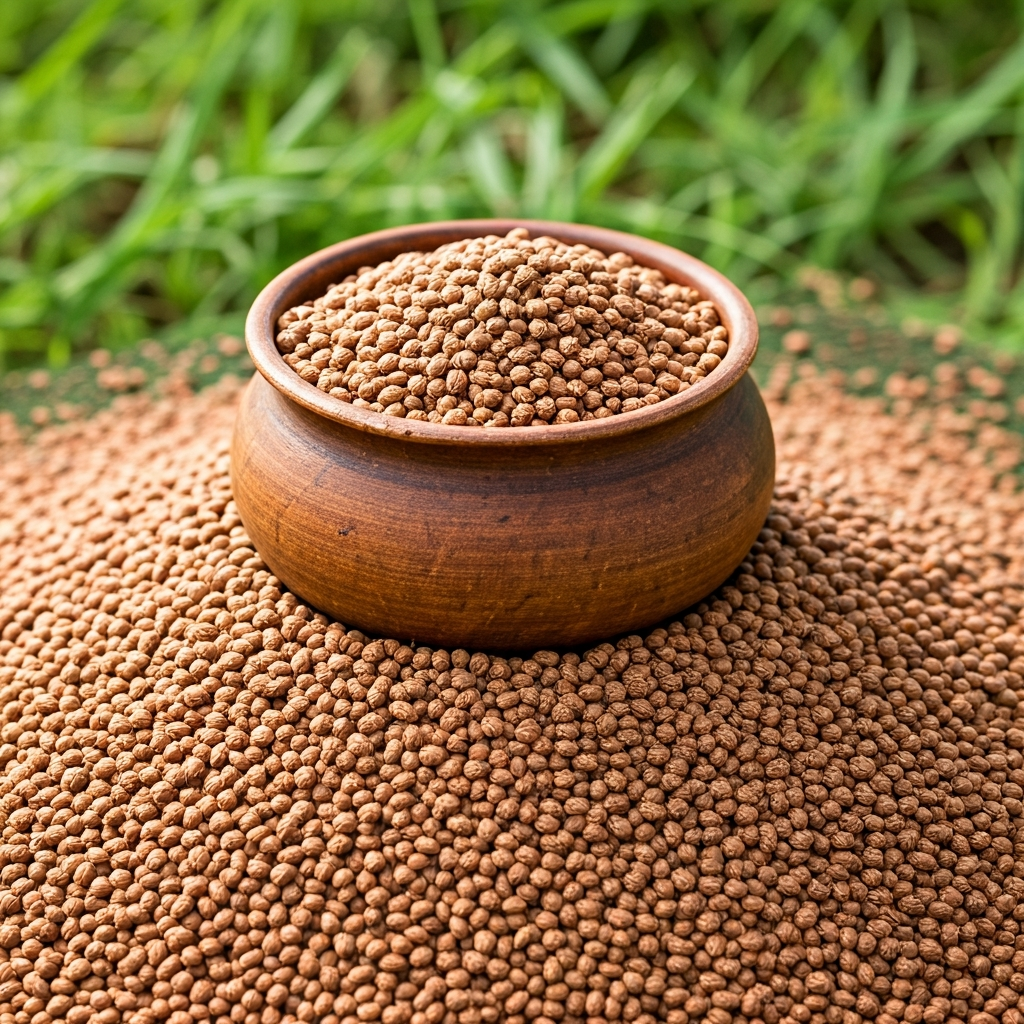
[Image: A close-up shot of high-quality, golden-brown copra meal, showing its texture. | alt=”A pile of high-quality copra meal for animal feed.” | title=”Copra Meal for Animal Feed Texture”]
From Coconut to Copra: The Production Process
The journey to creating copra meal begins with the coconut. The flesh is first dried—either by sun-drying, smoke-drying, or kiln-drying—to create copra. This critical step significantly reduces the moisture content, which preserves the material and concentrates its nutrients.
Next, the oil is extracted using one of two primary methods. Understanding the difference is key to selecting the right type of meal for your specific nutritional requirements.
Copra Expeller vs. Solvent Extracted: What’s the Difference?
The oil extraction method directly impacts the meal’s nutritional composition, particularly its residual oil (fat) content.
- Mechanical Extraction (Expeller Pressed): This is the most common method, where the copra is mechanically pressed to squeeze out the oil. The resulting meal, often called “copra cake,” typically contains a moderate amount of residual oil (8-12%), making it a good source of energy.
- استخلاص المذيبات: In this process, a solvent like hexane is used to extract the remaining oil after an initial pressing. This method is more efficient, resulting in a meal with a very low fat content (1-3%) but a slightly higher protein concentration.
The Complete Nutritional Profile of Copra Meal for Animal Feed
القيمة الحقيقية لـ copra meal for animal feed lies in its unique nutritional makeup. While it may not have the high protein levels of soybean meal, it offers a balanced profile of protein, fiber, and energy that is highly beneficial for many classes of livestock, especially ruminants.
Macronutrient Breakdown: Protein, Fiber, and Fat
On average, high-quality copra meal contains between 20-24% crude protein. This protein is rich in valuable amino acids, making it a substantial contributor to muscle development and overall growth in livestock.
Furthermore, its high fiber content (12-16%) is particularly beneficial for gut health, promoting a healthy microbiome in ruminants. The residual coconut oil provides a readily digestible, non-starch source of energy.
Essential Amino Acids: The Building Blocks for Growth
While not a complete protein on its own, copra meal provides a good source of key amino acids like arginine. When properly balanced with other protein sources, it helps create a complete and cost-effective amino acid profile in the final feed ration.
5 Proven Benefits of Using Copra Meal in Livestock Diets
Incorporating copra meal isn’t just about replacing an ingredient; it’s about leveraging a unique set of advantages that can lead to tangible improvements in animal health and farm profitability.
- Significant Cost Savings: Often more affordable than traditional protein sources like soybean meal, it can drastically reduce feed costs without compromising nutrition.
- Improved Ruminant Performance: The “bypass” protein in copra meal is not fully digested in the rumen. This allows it to be absorbed in the lower digestive tract, leading to more efficient protein utilization for milk and meat production.
- Source of “Cool” Energy: The energy from the residual fat in copra meal does not produce as much metabolic heat as starch-based energy sources. This is a huge advantage for high-producing animals, especially in hot climates.
- Enhanced Palatability: The pleasant, sweet smell of coconut often makes the feed more attractive to animals, which can increase feed intake and reduce waste.
- Supports Gut Health: The high digestible fiber content promotes a healthy gut microbiome, particularly in ruminants, which can lead to better overall health and feed conversion.
[Image: Infographic titled “Nutritional Profile of Copra Meal for Animal Feed”. It shows icons for Protein (22%), Fiber (14%), Fat (10%), and Moisture (12%) with their respective percentages. | alt=”Infographic detailing the nutrition of copra meal for animal feed.” | title=”Copra Meal Nutrition Infographic”]
Practical Applications: How to Use Copra Meal for Animal Feed
The versatility of copra meal allows it to be used across a wide range of species. However, understanding the correct inclusion rates and species-specific considerations is crucial for success.
Superior Ingredient for Ruminants (Cattle, Goats, Sheep)
Ruminants are where copra meal for animal feed truly shines. Its high fiber supports healthy rumen function, and its protein and energy profile is ideal for both dairy and beef cattle.
Studies in the مجلة علوم الألبان consistently show benefits in milk fat content when dairy rations are supplemented with coconut oil or meal.
Considerations for Poultry (Broilers and Layers)
For poultry, copra meal can be used effectively, but at lower inclusion rates (typically 5-10%). The high fiber content can be a limiting factor for monogastric animals like chickens. However, at appropriate levels, it serves as a cost-effective protein source.
Formulating Swine Rations with Copra Meal
Similar to poultry, swine rations can include copra meal up to about 15-20% of the diet for grower-finisher pigs. Its fiber is beneficial for sow gut health. Due to its lower lysine content compared to soybean meal, it’s important to balance the ration with another complementary protein source.
Copra Meal vs. Other Feeds: A Comparative Analysis
To make the best decision for your operation, it’s essential to compare copra meal to other common feed ingredients. This table provides a high-level comparison.
| العناصر الغذائية | وجبة جوز الهند | وجبة فول الصويا | معصرة نواة النخيل |
|---|---|---|---|
| Crude Protein (%) | 20-24% | 44-48% | 16-18% |
| Crude Fiber (%) | 12-16% | 5-7% | 18-22% |
| مستوى الطاقة | معتدل | عالي | معتدل |
| Best Fit | المجترات | Monogastrics (Poultry, Swine) | المجترات |
Sourcing and Quality Control: A Buyer’s Checklist
While highly beneficial, the advantages of copra meal depend entirely on its quality. Sourcing from a reputable supplier is the most critical factor in ensuring a safe and effective product.
Key Quality Indicators to Check
Poorly processed or stored copra meal can be at risk for aflatoxin contamination, as noted by research from institutions like Purdue University’s Animal Sciences department. Always demand a product analysis.
- مستويات الأفلاتوكسين: Ensure the meal is tested and certified to be below the safe limit for your specific livestock type.
- نسبة الرطوبة: High moisture (>12%) can lead to mold and spoilage. Look for a dry, crumbly texture.
- اللون والرائحة: High-quality copra meal should have a light, golden-brown color and a pleasant, slightly sweet coconut smell. A dark color or musty odor indicates poor quality or spoilage.
- Consistency: The product should be consistent from batch to batch. This is a hallmark of a good supplier who, like with other products such as قشرة نواة النخيل, manages their production chain effectively.
Always ensure you are buying from a trusted source. A reliable supplier of high-grade وجبة جوز الهند will guarantee you receive a product that delivers maximum nutritional value and safety.
Beyond Feed: Other Valuable Palm By-Products
Understanding the full value chain of palm products can open up new opportunities for your operation. Besides feed ingredients, consider these resources:
- For Horticulture: جوز الهند, a coconut husk fiber, is a world-class growing medium for hydroponics and soil amendment.
- For Cooking Oil: Products like RBD CP8 represent the refined oil segment, showing the diversity of palm-derived goods.
- For Energy Density: Specialized supplements like أملاح الكالسيوم للأحماض الدهنية لزيت النخيل are used to boost energy in high-performance rations.
[Image: A herd of healthy dairy cows eating from a feed trough in a clean, modern barn. | alt=”Cattle enjoying a ration containing copra meal for animal feed.” | title=”Cattle Feed with Copra Meal”]
مكمور أمانة سجيتيرا نُقدّم منتجات نخيل عالية الجودة مثل مُستخلص نواة النخيل، وقشور نواة النخيل، وزيت النخيل الخام، وزيت نواة النخيل، وغيرها. يُرجى التواصل معنا على واتساب +6282140002198 أو راسلنا عبر البريد الإلكتروني على admin@makmuramanah.co.id.
الأسئلة الشائعة (FAQ)
What is the primary benefit of copra meal for animal feed?
Its primary benefit is providing cost-effective “bypass” protein and digestible fiber, especially for ruminants. This unique combination supports efficient growth and milk production while helping manage feed costs, making it a smart choice for modern farms.
Is copra meal safe for all animals?
It is safe for most livestock, including cattle, sheep, and goats, at recommended rates. Due to its high fiber, its inclusion should be limited in poultry and young pig diets, as their digestive systems are less equipped to handle it.
كيف تتم مقارنة وجبة جوز الهند بوجبة فول الصويا؟
Soybean meal is higher in protein, which is ideal for monogastrics. However, copra meal is often more affordable and its “bypass” protein is highly advantageous for ruminants, making it superior for cattle and goat applications.
What is the ideal protein percentage in quality copra meal?
High-quality, mechanically extracted copra meal should contain between 20% and 24% crude protein. The exact percentage depends on the oil extraction efficiency; lower residual oil often results in a slightly higher protein concentration.
Can copra meal improve milk production in dairy cattle?
Yes. The bypass protein and unique fatty acid profile can boost dairy performance. Research from bodies like the U.S. Department of Agriculture’s Agricultural Research Service confirms that certain coconut fatty acids can improve milk fat percentage.
Conclusion: The Smart Choice for 2026 and Beyond
In a world of volatile commodity prices and a demand for sustainable agriculture, copra meal stands out as a reliable, effective, and economical feed ingredient. Its unique nutritional profile offers a powerful tool for improving animal performance, particularly in ruminants.
By integrating high-quality copra meal for animal feed into your program, you are not just choosing a feed ingredient; you are investing in a sustainable and profitable future. It is a forward-thinking decision that will pay dividends in herd health and your bottom line.
[Video: Suggestion for an embedded YouTube video titled “From Coconut to Cow: The Journey of Copra Meal in Animal Nutrition”. The video would show the production process and feature a nutritionist explaining the benefits on a farm.]
 Arabic
  English
  Indonesian
  Chinese