
Copra Meal: A Complete Guide to Its Uses, Benefits, and Nutritional Value
وجبة جوز الهند is emerging as a cornerstone of modern, sustainable animal nutrition. It offers a powerful solution to rising feed costs and market volatility. For any farm manager or livestock owner seeking a cost-effective, high-protein feed alternative, understanding this coconut byproduct is a competitive necessity for 2024 and beyond.
The challenge of sourcing consistent and affordable feed is a persistent struggle. Global markets can dramatically impact the price of traditional feeds like soybean and corn, squeezing profit margins. This guide explores how copra meal can optimize your feeding strategy, improve animal health, and support your farm’s bottom line.
What is Copra Meal? From Coconut to Feed Trough
Copra meal, also known as coconut meal, is the valuable byproduct remaining after oil has been extracted from dried coconut flesh (copra). While historically viewed as a simple byproduct, advanced research has revealed its significant potential as a primary ingredient in animal feed.
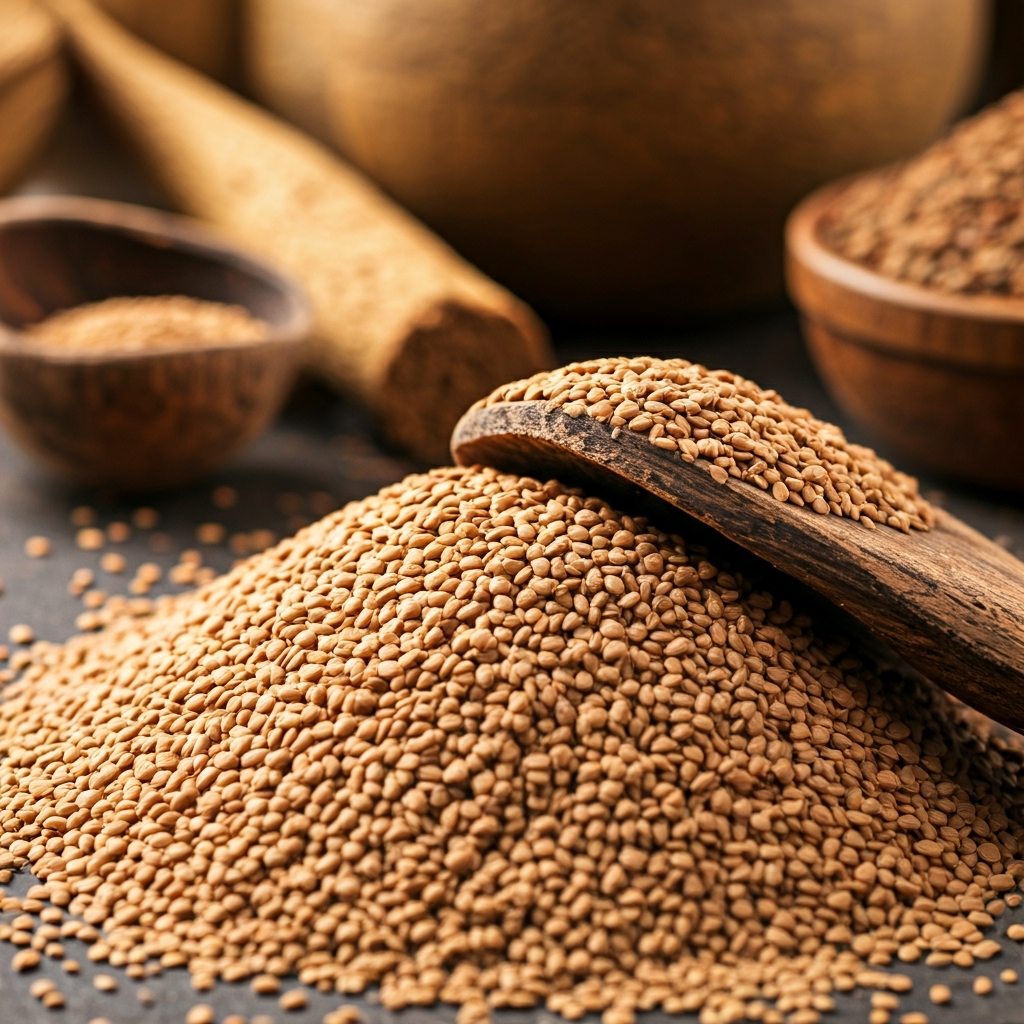
The production process is straightforward. First, coconuts are harvested and the flesh is dried—using sun, smoke, or kilns—to create copra. This copra is then mechanically pressed or solvent extracted to separate the coconut oil. The remaining solid, protein-rich fiber is the جوز الهند. According to a study in the Journal of Applied Animal Research, the extraction method significantly influences the meal’s residual oil and nutritional profile.
[Image: A close-up shot of light-brown, granular copra meal | alt: High-quality Copra Meal ready for livestock feed. | title: Granular Copra Meal for Animal Nutrition]
Distinguishing Copra Meal from Similar Feeds
It’s important not to confuse coconut meal with other palm-derived products. For instance, معصرة نواة النخيل (PKE) is derived from the kernel of the oil palm fruit. While both are excellent feed ingredients, they have distinct nutritional profiles. Understanding these differences is key to formulating precise and effective feed rations.
The Nutritional Profile of Copra Meal: A Deep Dive
The primary reason for copra meal’s growing popularity is its robust nutritional composition. While variables like coconut variety and extraction method cause slight differences, high-quality meal offers a consistent and valuable nutrient package.
This feedstuff is particularly valued as a source of crude protein and digestible fiber. The protein is rich in glutamic acid and arginine, though it is often supplemented with lysine and methionine to create a complete amino acid profile for monogastric animals like poultry and swine. The residual oil also provides a dense source of energy.
Key Nutritional Components Breakdown:
- البروتين الخام: Typically ranges from 20-25%. Essential for muscle development, milk production, and overall growth.
- الألياف الخام: Around 10-15%. Aids in healthy digestion, particularly for ruminants, and promotes gut health.
- الدهون (الزيت المتبقي): Varies from 2-12%. A concentrated energy source rich in medium-chain fatty acids (MCFAs).
- الطاقة القابلة للاستقلاب: Provides significant caloric value, making it an excellent supplement for maintaining animal body condition.
Copra Meal vs. Soybean Meal: A Comparative Analysis
To appreciate its value, a comparison with soybean meal—one of the most common protein sources—is essential. While soybean meal has a higher protein content, coconut meal offers unique advantages in cost and fiber.
| Nutrient/Factor | وجبة جوز الهند | Soybean Meal (48% CP) |
|---|---|---|
| البروتين الخام | 20-25% | 46-49% |
| الألياف الخام | 10-15% | ~3-4% |
| الميزة الرئيسية | High in digestible fiber, cost-effective | Higher protein density, excellent amino acid profile |
| أفضل حالة استخدام | Ruminant feed, partial protein source for swine/poultry | Primary protein source for monogastric animals |
Key Benefits of Incorporating Copra Meal in Animal Feed
Integrating copra meal into livestock diets offers a cascade of benefits that extend from animal health to farm profitability. These advantages make it a strategic choice for forward-thinking agricultural operations.
[Image: A healthy-looking dairy cow eating from a trough containing a mixed feed | alt: Cow enjoying a balanced diet including copra meal. | title: Copra Meal as part of a Total Mixed Ration]
- الفعالية من حيث التكلفة: This is often the most compelling benefit. Copra meal is generally more affordable than soybean meal or fish meal, allowing for significant reductions in feed costs.
- Improved Ruminant Digestion: The high fiber content is particularly beneficial for ruminants like cattle, sheep, and goats. It promotes healthy rumen function and supports a stable gut microbiome.
- محتوى طاقة عالٍ: The residual coconut oil provides a readily metabolizable energy source, crucial for lactating dairy cows and fattening beef cattle.
- Enhanced Palatability: Many animals are drawn to the sweet, nutty aroma of the meal, which can help improve overall feed intake, especially for picky eaters.
- Sustainable and Natural: As a byproduct of the coconut industry, using it promotes a zero-waste ethos, aligning with consumer demand for sustainably produced products.
Practical Applications: Using Copra Meal for Different Livestock
The versatility of this feedstuff allows for its inclusion in a wide range of animal diets. However, the inclusion rate must be carefully managed. Always consult an animal nutritionist for precise formulations.
Copra Meal for Ruminants (Cattle, Goats, Sheep)
Ruminants are ideal candidates for coconut meal. Their digestive systems are perfectly equipped to handle the high fiber content. For dairy cattle, it can increase milk butterfat, and for beef cattle, it serves as an excellent energy and protein source. Inclusion rates typically range from 15-30% of the total diet.
Copra Meal for Poultry (Broilers and Layers)
In poultry, it is used more strategically. Due to its high fiber, it’s typically limited to 5-10% of the ration. When balanced with synthetic amino acids, it can successfully reduce feed costs and may positively affect litter quality.
Copra Meal for Swine
For pigs, inclusion rates are generally kept moderate, around 5-15% of the diet. The high fiber is beneficial for sow gut health but may limit energy intake for young, growing pigs if not formulated correctly.
[Video: An embedded YouTube video showing the copra meal production process or a nutritionist explaining its benefits in a farm setting. | title: Expert Explains the Benefits of Copra Meal]
Sourcing, Quality, and Storage of Copra Meal
The quality of your meal directly impacts its effectiveness. Sourcing from a reliable partner and ensuring proper on-farm storage are critical steps to unlock its full potential.
How to Identify High-Quality Copra Meal
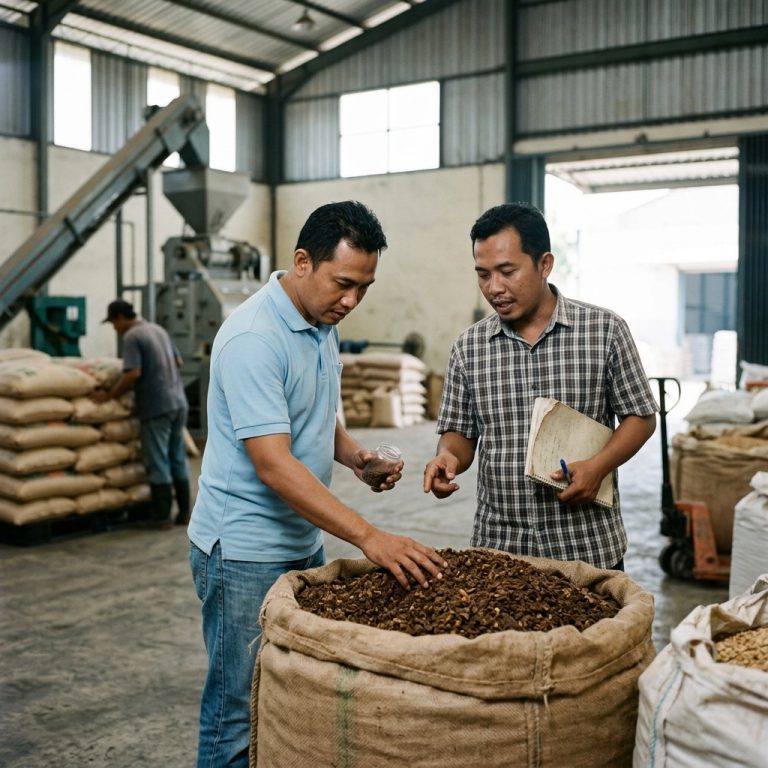
Not all meal is created equal. When sourcing, look for a light-brown color and a fresh, nutty smell. Avoid dark, clumpy, or musty-smelling meal, as this can indicate mold or improper handling. Partnering with a reliable supplier like مكمور أمانة سجيتيرا, which provides high-quality وجبة جوز الهند, ensures you receive a consistent and safe product.
Safe Storage and Handling
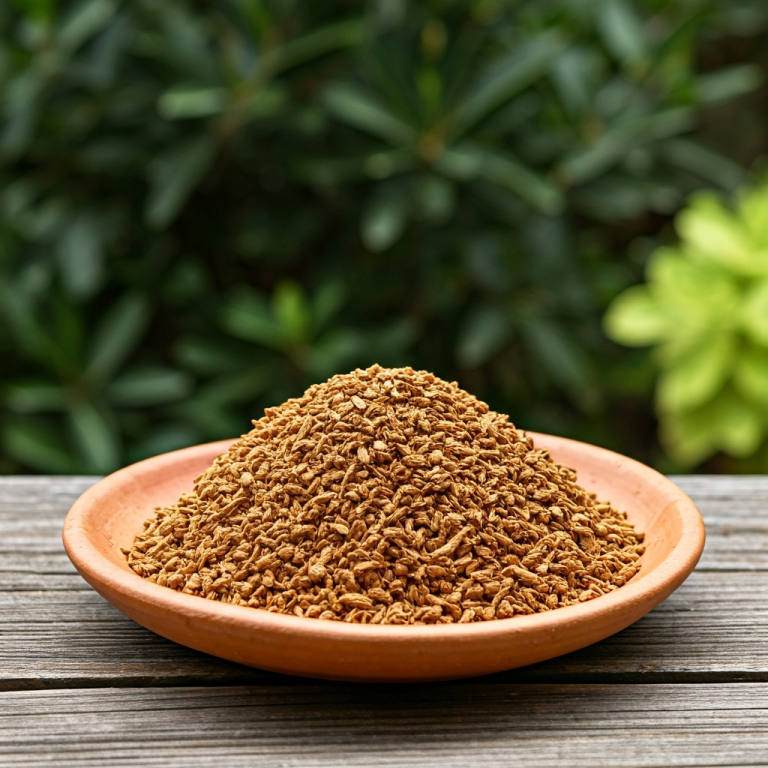
Improperly stored meal can be susceptible to aflatoxin contamination. This risk is minimized by sourcing from reputable suppliers who perform quality control and by ensuring proper, dry storage on the farm. Bedding materials that manage moisture, like جوز الهند or even قشرة نواة النخيل in some applications, can help maintain a dry environment and are also valuable agricultural products.
Potential Drawbacks and Mitigation
The primary concern is its relatively low concentration of lysine and methionine compared to soybean meal. This is easily mitigated by working with a qualified nutritionist, who will balance the diet using synthetic amino acids or other protein sources.
[Image: Infographic showing the process from coconut to copra meal with nutritional icons | alt: Infographic of the Copra Meal production process. | title: From Coconut to High-Protein Copra Meal]
Your Source for High-Quality Palm & Coconut Products
مكمور أمانة سجيتيرا نُقدّم منتجات نخيل عالية الجودة مثل مُستخلص نواة النخيل، وقشور نواة النخيل، وزيت النخيل الخام، وزيت نواة النخيل، وغيرها. يُرجى التواصل معنا على واتساب +6282140002198 أو راسلنا عبر البريد الإلكتروني على admin@makmuramanah.co.id.
الأسئلة الشائعة (FAQ)
What is the main use of copra meal?
Its primary use is a protein and energy supplement in animal feed. It is most widely used for ruminants like cattle due to its high fiber and protein, but it’s also incorporated into diets for swine and poultry at lower inclusion rates.
Is copra meal good for all livestock?
It is excellent for ruminants (cattle, goats). For monogastric animals like poultry and pigs, it must be used at lower inclusion rates and balanced with other amino acid sources to be effective and economical.
ما الفرق بين مسحوق جوز الهند المجفف ومعصور نواة النخيل؟
They come from different plants. Copra meal is from coconut flesh, while معصرة نواة النخيل (PKE) is from the oil palm fruit kernel. They have different nutritional compositions and applications in feed formulation.
How do I balance a diet using copra meal?
Work with an animal nutritionist. They will analyze the deficiencies, particularly in lysine and methionine, and add synthetic amino acids or blend the meal with other protein sources to create a complete and balanced ration.
Does the oil in copra meal benefit animals?
Yes, positively. The residual coconut oil is a great energy source, containing Medium-Chain Fatty Acids (MCFAs). These are easily digestible and, as noted by publications like FeedNavigator, may improve gut health.
The Future of Copra Meal in Sustainable Agriculture (2024 & Beyond)
Looking ahead, the role of copra meal is set to expand. As the push for sustainable agricultural systems intensifies, byproducts like coconut meal are essential components. They reduce waste, lower the carbon footprint of feed, and provide economic stability to coconut-producing regions, a topic often highlighted by the منظمة الأغذية والزراعة (الفاو).
[Image: A pile of fresh coconuts next to a bag of processed copra meal | alt: Coconuts and a bag of finished Copra Meal. | title: The Source and Byproduct: Coconuts and Copra Meal]
ختاماً،, وجبة جوز الهند represents a powerful intersection of value, nutrition, and sustainability. For any livestock operation looking to build resilience and profitability in 2024, embracing this amazing coconut byproduct is a strategic move towards a more efficient and sustainable future. By understanding its benefits and applications, you can unlock a new level of performance for your animals and business.
 Arabic
  English
  Indonesian
  Chinese