
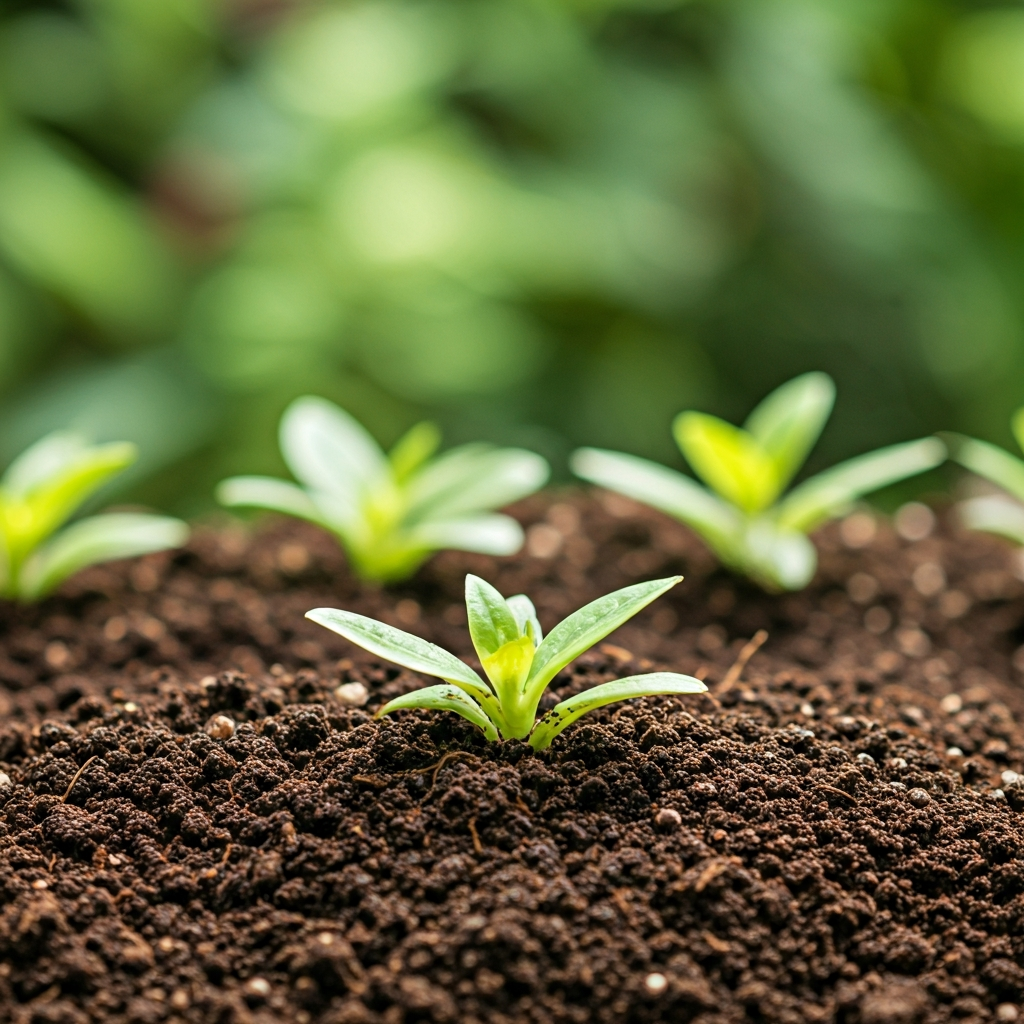
Cocopeat: The Complete Guide to Uses, Benefits, and Preparing It for Your Garden
جوز الهند is the secret weapon you might be missing in your quest for a healthier, more vibrant garden. If you’re struggling with poor soil drainage, weak root development, or looking for a sustainable alternative to traditional growing media, this guide will make you an expert.
The quest for the perfect growing medium is a challenge for gardeners worldwide. Traditional choices like peat moss are becoming less sustainable, with harvesting contributing to the degradation of precious peatland ecosystems. These ecosystems, according to the IUCN, store more carbon than all the world’s forests combined.
This has pushed savvy gardeners and commercial growers towards more eco-friendly and effective alternatives. This shift isn’t limited to growing media; it includes feed ingredients like معصرة نواة النخيل and other sustainable resources. Enter cocopeat, a versatile, renewable resource that is revolutionizing the way we grow plants.
What Is Cocopeat, Anyway?
Cocopeat is a 100% natural, multi-purpose growing medium derived from the fibrous pith found between the hard, internal shell and the outer coat of a coconut. Also known by names like coco coir or coir pith, this material was once a waste product of the coconut industry. Now, it’s celebrated for its incredible properties that promote robust plant health, making it a cornerstone of modern horticulture and hydroponics.
From Coconut Husk to Garden Gold
The transformation process is fascinating. After coconuts are harvested for their kernels and water, the husks are left. This sustainable approach utilizes every part of the harvest, much like how other agricultural byproducts such as قشرة نواة النخيل are used for bioenergy. The husks are aged and processed to separate the long fibers (used for ropes and doormats) from the pithy dust. This pith is then washed, dried, and often compressed into bricks or blocks. When rehydrated, these dense bricks expand up to ten times their volume, creating a fluffy, lightweight medium ready for your garden.
Cocopeat vs. Coco Coir vs. Coir Pith: Clearing the Confusion
While often used interchangeably, there are slight distinctions. “Coco coir” is the general term for all products derived from the coconut husk. It can be broken down into three main types:
- Cocopeat (Pith): This is the dust-like, spongy material that looks like soil. It has excellent water retention.
- ألياف جوز الهند: These are the long, stringy fibers that improve aeration and drainage.
- رقائق جوز الهند: These are small chunks of the husk that create air pockets in the soil, preventing compaction.
After coconuts are processed for food products, the husk provides coir, and the kernel provides other valuable materials like وجبة جوز الهند for animal feed. Most commercially available جوز الهند blocks are a blend of these three types, optimized for a balanced growing environment.

The 7 Undeniable Benefits of Using Cocopeat in 2026
Its popularity isn’t just a trend; it’s backed by a solid list of advantages that address the core needs of a thriving garden. Adopting this medium can lead to visibly healthier plants.
- احتفاظ فائق بالماء: Cocopeat can hold up to 10 times its weight in water. This means less frequent watering, reduced water waste, and a consistent moisture supply for your plant’s roots.
- Excellent Aeration and Drainage: Despite its water-holding capacity, the medium is also porous. Its structure allows for excess water to drain away, preventing waterlogging and root rot while ensuring roots get the oxygen they need.
- Neutral pH Level: Most cocopeat has a pH range of 5.5 to 6.8, which is ideal for the vast majority of plants, as confirmed by horticulture experts at جامعة كورنيل. This neutral starting point makes it easy to adjust nutrient solutions.
- مستدام وصديق للبيئة: As a byproduct of the coconut harvest, it is a completely renewable resource. Its use helps reduce reliance on non-renewable peat moss, protecting vital wetland habitats, a crisis detailed by organizations like National Geographic.
- Pest and Disease Resistant: Cocopeat is naturally resistant to common soil-borne pathogens and pests. Its antifungal properties can help protect seedlings from damping-off disease.
- Promotes Strong Root Growth: The light, airy texture of cocopeat allows plant roots to grow freely and vigorously without the struggle of penetrating dense clay soils. This leads to a stronger, more extensive root system.
- Reusable and Long-Lasting: Unlike soil that can become compacted and depleted over time, cocopeat breaks down very slowly. It can be reused for several growing cycles with proper care, offering excellent value.
Cocopeat vs. Peat Moss: A Head-to-Head Comparison
For decades, peat moss was the go-to choice for soil amendment. However, the environmental impact and the superior qualities of cocopeat have shifted the conversation. Here’s a direct comparison:
| ميزة | جوز الهند | الخث |
|---|---|---|
| الاستدامة | Renewable byproduct of coconut industry | Non-renewable; harvested from fragile peat bogs |
| احتباس الماء | Excellent; absorbs water easily even when dry | Good, but becomes hydrophobic when dry and is hard to re-wet |
| مستوى الرقم الهيدروجيني | Near neutral (5.5 – 6.8) | Highly acidic (3.5 – 4.5), requires lime addition |
| عمر | Breaks down slowly; reusable for multiple seasons | Decomposes and compacts more quickly |
| المحتوى الغذائي | Inert; contains few nutrients but has good cation exchange | Very low in nutrients |
Furthermore, research published in scientific journals like the Acta Horticulturae has consistently shown cocopeat to be an effective and sometimes superior substitute for peat in various horticultural applications.

How to Prepare Cocopeat for Your Garden: A Step-by-Step Guide
Using cocopeat isn’t as simple as just adding water. Proper preparation is the key to unlocking its full potential and avoiding common pitfalls. Unprepared coir can contain high levels of salts that can harm your plants.
Step 1: Choose the Right Cocopeat
Start with a high-quality, low-EC (Electrical Conductivity) cocopeat brick. These are typically sourced from reputable suppliers who have already started the washing process. Avoid cheap, unwashed bricks as they will require much more work to become usable.
Step 2: Rehydrate the Cocopeat Brick
Place your compressed cocopeat brick in a large container, like a wheelbarrow or a large tote. Read the instructions on the package to see how much water to add. A typical 5 kg brick can absorb around 25-30 liters of water and will expand significantly, yielding 60-70 liters of medium.
Step 3: The Critical Step – Washing and Buffering Your Cocopeat
This step is critical for success. Most raw cocopeat contains high levels of sodium and potassium due to its proximity to the ocean. These salts must be removed.
- Washing (Rinsing): After rehydration, continue adding water to the container until it overflows. Stir the cocopeat thoroughly and let the muddy water run out. Repeat this process 2-3 times until the water runs clear. This flushes out the excess sodium salts.
- التخزين المؤقت: Cation exchange is a key concept here. Cocopeat has a natural affinity for calcium and magnesium. If not buffered, it will steal these crucial nutrients from your fertilizer, making them unavailable to your plants. To buffer, soak the washed coir in a solution of Calcium Nitrate and Magnesium Nitrate for 8-12 hours. A standard dose is about 1.5 grams of Cal-Mag per liter of water. After soaking, drain the solution and give it one final rinse.
Step 4: Mix and Use
Your medium is now ready! It should be light, fluffy, and damp. You can use it on its own for hydroponics or seed starting, or mix it with other materials like perlite, compost, or topsoil to create a custom potting mix. A popular recipe is 2 parts cocopeat to 1 part perlite and 1 part compost.

مكمور أمانة سجيتيرا نُقدّم منتجات نخيل عالية الجودة مثل مُستخلص نواة النخيل، وقشور نواة النخيل، وزيت النخيل الخام، وزيت نواة النخيل، وغيرها. يُرجى التواصل معنا على واتساب +6282140002198 أو راسلنا عبر البريد الإلكتروني على admin@makmuramanah.co.id.
Frequently Asked Questions About Cocopeat (FAQ)
هل جوز الهند مفيد لجميع النباتات؟
Cocopeat is an excellent growing medium for the vast majority of plants, including vegetables, flowers, herbs, and houseplants. Its neutral pH and excellent aeration are widely beneficial. However, for plants that require very specific acidic or alkaline soils, you may need to adjust the pH accordingly.
Can you reuse cocopeat?
Absolutely. One of the great benefits of cocopeat is its durability. At the end of a growing season, you can remove old plant matter, rinse the medium thoroughly to wash out any accumulated salts or fertilizer, and re-buffer it with Cal-Mag if needed.
Do I need to add fertilizer when using cocopeat?
Yes. Cocopeat is an inert medium with no native nutrients. You must provide a complete feeding solution, either through a balanced liquid fertilizer or by amending it with nutrient sources like compost. Many growers also use a Cal-Mag supplement for best results.
What is “EC” and why does it matter for cocopeat?
EC (Electrical Conductivity) measures the salt content in your cocopeat. High EC can be toxic to plants. Always aim for low-EC cocopeat (under 0.5 mS/cm). If your source has a high EC, you must wash and buffer it thoroughly before use.
Can I mix cocopeat with soil?
Yes, mixing cocopeat with garden soil is a fantastic way to improve its structure. For heavy clay soils, it improves drainage and aeration. For sandy soils, it dramatically increases water retention. A mix of 30-50% cocopeat by volume can rejuvenate poor quality garden soil.
Conclusion: Make the Switch to Cocopeat
In 2026, making sustainable and effective choices in the garden is more important than ever. By understanding its benefits and proper preparation, you can leverage this incredible resource to achieve astounding results. From its superior water management to its eco-friendly credentials, cocopeat stands out as the champion of modern growing media.
Embracing جوز الهند is not just about growing healthier plants; it’s about becoming a more conscious and successful gardener. By making the switch, you invest in the health of your garden and the planet. We hope this guide has empowered you to confidently use cocopeat and reap its amazing rewards.


 Arabic
  English
  Indonesian
  Chinese