
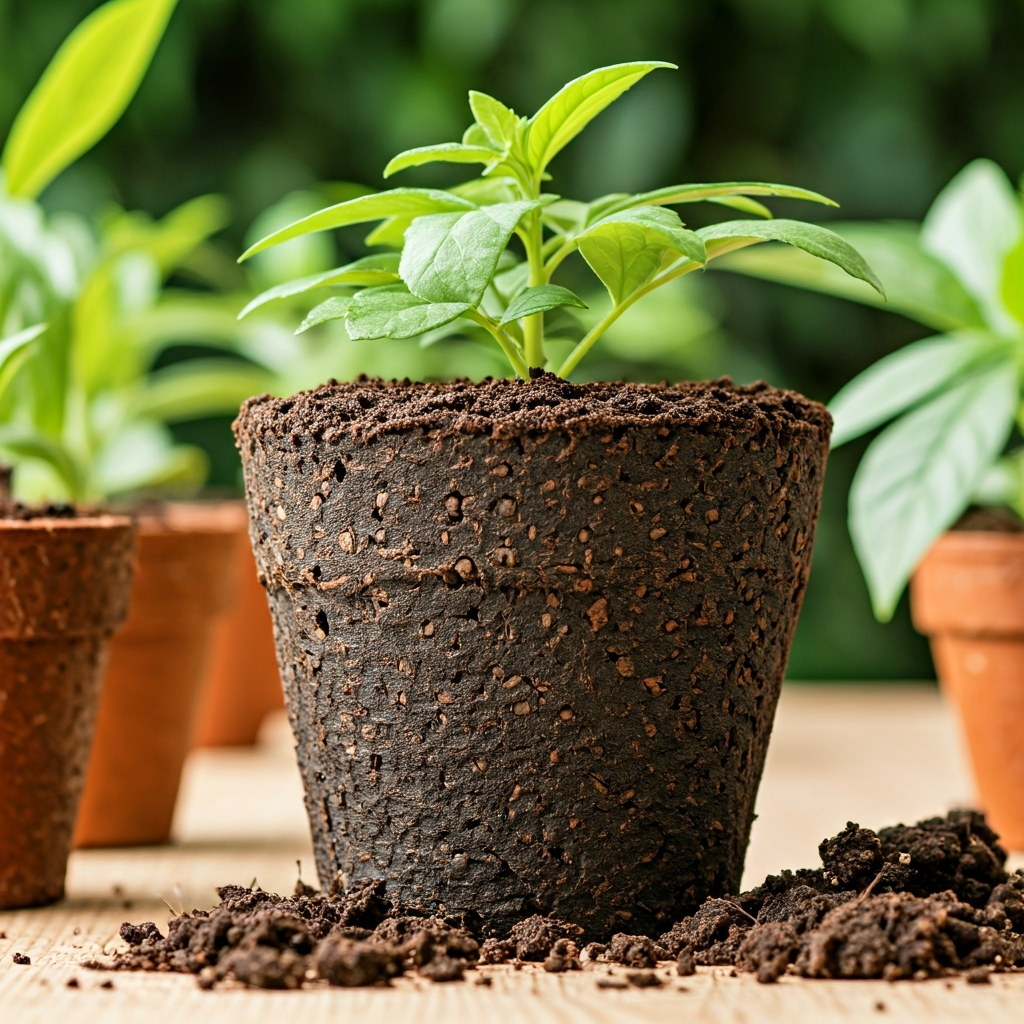
What is Cocopeat? The Ultimate Guide to Using It for Thriving Plants
What is cocopeat and how can it transform your gardening efforts for unparalleled success in 2026? If you’re seeking a sustainable, effective, and easy-to-use growing medium, you’ve just found the solution. This guide reveals everything you need to know to harness its power.
For years, gardeners relied on peat moss, but environmental concerns have pushed a superior alternative to the forefront. Enter coconut coir, a versatile byproduct of the coconut industry. A 2019 study in the International Journal of Current Microbiology and Applied Sciences confirmed its properties make it a premium substrate for horticulture. It’s a game-changer for moisture retention, aeration, and root development.
What is Cocopeat, Exactly? A Deep Dive
في جوهرها،, جوز الهند is a 100% natural growing medium made from the pith found between the hard, internal shell and the outer coat of a coconut. Previously seen as waste, this material is now celebrated for its incredible horticultural benefits.
It provides an excellent alternative to traditional soil, boasting unique properties that promote vigorous plant growth. This coir pith is often sold in compressed bricks that expand significantly when soaked in water, making it efficient to transport and store.
The Journey from Coconut to Garden: How Coir Pith is Made
The production of high-quality coir pith is a multi-step process. It begins with aging coconut husks, which are then processed to separate the long fibers from the pith (the cocopeat).
This pith is then washed, dried, and screened. Top-tier material is “buffered” by treating it with calcium nitrate to displace sodium and balance potassium levels. This crucial step prevents nutrient lockout, ensuring your plants can access food. Our premium buffered cocopeat undergoes this rigorous process to guarantee top-tier results.
Pith, Fiber, and Chips: The 3 Types of Coconut Coir
This growing medium isn’t one-size-fits-all. It comes in three primary forms:
- Pith: The most common form, this has a soil-like texture. Its excellent water retention makes it ideal for seed starting and amending soil.
- Fiber: This consists of longer strands that improve aeration and drainage. It’s often mixed with pith to create a balanced medium.
- Chips: Small chunks of the husk that act like bark, providing large air pockets for plants like orchids that need significant air at their roots.
[Image: A high-quality image showing a compressed cocopeat brick next to the expanded, fluffy material. Title: Compressed vs. Expanded Cocopeat. Alt: A block of compressed cocopeat and a pile of fluffy, expanded coconut coir ready for gardening use.]
7 Incredible Benefits of Using Cocopeat in Your Garden
Why has this coconut by-product become a staple for growers? The advantages are clear and scientifically backed.
- Phenomenal Water Retention: The substrate can hold up to 10 times its weight in water. This means less frequent watering and a steady moisture supply for roots.
- Superior Aeration: Even when saturated, the material remains light. This allows plenty of oxygen to reach the roots, preventing rot and promoting strong growth.
- Ideal pH Level: Most coir has a pH range of 5.5 to 6.8, perfect for a vast majority of plants. This neutrality is a great base for custom nutrient solutions.
- Eco-Friendly and Sustainable: As a byproduct, it’s a renewable resource. Its use helps reduce reliance on peat moss, the harvesting of which damages vital peatland ecosystems, as noted by the الجمعية الملكية للبستنة (RHS).
- Anti-Fungal Properties: It contains natural lignins that discourage harmful pathogens, helping to protect your plants from disease.
- Easy to Use and Store: Sold in compressed, lightweight bricks, it’s easy to handle and stores indefinitely. Just add water, and it’s ready to go.
- Promotes Strong Root Development: Its unique structure encourages extensive root branching and a healthy, dense root system—the foundation of a thriving plant.
Cocopeat vs. Peat Moss vs. Soil: A Head-to-Head Comparison
To truly understand the value of this medium, it’s helpful to see how it stacks up against others. While each has its place, coconut coir often comes out on top for modern applications.
| ميزة | جوز الهند | الخث | تربة الحديقة |
|---|---|---|---|
| Renewability | Highly Renewable | Non-Renewable | يختلف |
| احتباس الماء | ممتاز | مرتفع جداً | عامل |
| مستوى الرقم الهيدروجيني | Neutral (5.5-6.8) | Acidic (3.5-4.5) | Varies Widely |
| Wetting Time | سريع | Slow (Hydrophobic when dry) | معتدل |
| عمر | ~4 Years | ~2 Years | Permanent (but needs amending) |
Choosing the Right Coconut Coir: A Buyer’s Guide
Not all coir products are created equal. Making the right choice is essential for your garden’s success. Look for reputable suppliers who can verify their processing methods.
Buffered vs. Unbuffered Coir
Unprocessed coir is high in salts, particularly sodium and potassium. If used directly, it can “lock out” calcium and magnesium, starving your plants of these crucial micronutrients. The buffering process corrects this.
High-quality buffered cocopeat is pre-treated to remove excess sodium and balance nutrient ratios, making it immediately ready for optimal plant growth. Always choose buffered coir unless you are an advanced user prepared to buffer it yourself.
Compressed Bricks vs. Loose-Fill
Compressed bricks are the most common form. They are cost-effective, easy to store, and simple to transport. They do require the extra step of hydration before use. Loose-fill coir is ready to use right out of the bag but is bulkier and often more expensive.
For most home gardeners, starting with a high-quality compressed brick offers the best combination of value and performance.
How to Prepare and Use Cocopeat (Step-by-Step)
Using a compressed brick is simple. Here’s a step-by-step guide to preparing it.
- Choose a Container: Select a large tub that can hold 10 times the volume of the brick.
- Add Water: Place the brick in the container and add warm water. A 5kg brick needs about 25 liters (7 gallons) of water.
- Let it Soak: The brick will expand almost immediately. Allow it to soak for 30 minutes to fully absorb the water.
- Fluff it Up: Use your hands or a rake to break up any clumps. The final result should be a uniform, moist, and airy substrate.
- Add Nutrients: Pure coir is inert. You must amend it with compost or add a balanced liquid fertilizer specific to your plants’ needs.
[Video Embed: A short, engaging video demonstrating the process of a compressed cocopeat brick expanding in a tub of water. Title: Watch a Cocopeat Brick Expand in 30 Seconds! Alt: Video showing how to prepare cocopeat from a compressed brick.]
What is Cocopeat Best For? Top Applications
The versatility of this material is one of its greatest strengths. According to UMass Extension, its use in horticulture is rapidly expanding.
- Seed Starting: Its fine texture and moisture control make it a perfect medium for germinating seeds.
- Soil Amendment: Mix it into clay soil to improve aeration or into sandy soil to improve water retention.
- الزراعة المائية: It’s a leading substrate in soilless systems, providing root support and moisture control, as detailed on the Wikipedia page for Coir.
- Potted Plants: A mix of coir, perlite, and compost creates a perfect, lightweight potting mix.
- فرش الحيوانات الأليفة: Its absorbency makes it a popular choice for reptile bedding.
Furthermore, its utility highlights the value of agricultural byproducts. Just as وجبة جوز الهند becomes valuable animal feed, coir pith is the horticultural gem from the same coconut source.
أخطاء شائعة يجب تجنبها
To get the most from your growing medium, steer clear of these common pitfalls:
- Using Unbuffered Coir: As discussed, unbuffered coir can lead to nutrient deficiencies. Always opt for a buffered product.
- Over-fertilizing: Since coir has no nutrients, it’s tempting to add too much. Follow fertilizer instructions carefully to avoid burning your plants.
- Not Adding Nutrients at All: Conversely, remember that coir is a blank slate. Your plants will depend entirely on the nutrients you provide.
- Letting it Dry Out Completely: While it re-wets easily, allowing coir to become bone-dry can stress your plants. Maintain consistent moisture.
مكمور أمانة سجيتيرا provides high-quality palm products such as Palm Kernel Expeller, قشرة نواة النخيل, Crude Palm Oil, Palm Kernel Oil, etc. Kindly contact us at واتساب +6282140002198 أو راسلنا عبر البريد الإلكتروني على admin@makmuramanah.co.id.
[Image: A close-up shot of healthy plant roots growing vigorously in a pot filled with dark, rich coir. Title: Healthy Roots in a Coir Medium. Alt: Healthy white plant roots thriving in a rich cocopeat growing medium.]
الأسئلة الشائعة (FAQ)
Is cocopeat better than soil?
For container gardening and hydroponics, coir is often superior. It offers better control over nutrients, provides excellent aeration, and is free of pathogens. For in-ground use, it’s best as an amendment to improve existing soil structure.
كم يدوم استخدام جوز الهند؟
This medium decomposes very slowly due to its high lignin content. In a potting mix, it can last for three to four years before it starts to break down, making it an economical and long-lasting choice for gardeners.
Do you need to add fertilizer to cocopeat?
Yes, it’s essential. Since coir is an inert medium, you must add nutrients. You can mix in slow-release fertilizer or use a balanced liquid fertilizer during watering to provide your plants with the nutrition they need to grow.
Does cocopeat attract pests?
No, the substrate is naturally resistant to pests. Unlike soil, it doesn’t harbor harmful bacteria or insects. This sterile quality makes it an excellent choice for starting seeds and keeping indoor plants healthy and pest-free.
What is buffered cocopeat?
Buffered cocopeat is material that has been treated to remove excess salts (like sodium) and balance its nutrient profile. This prevents it from interfering with the uptake of essential nutrients like calcium and magnesium by your plants.
Conclusion: Embrace the Future of Gardening
In conclusion, the answer to “what is cocopeat?” is simple: it’s one of the most effective, sustainable, and versatile growing mediums available. From its superior water retention and aeration to its eco-friendly credentials, it offers a wealth of benefits.
By understanding how to choose and prepare it correctly, you can unlock a new level of plant health and vitality in 2026 and beyond. Whether starting seeds or amending soil, incorporating this fantastic resource is a decision your plants will thank you for. If you’re interested in other sustainable byproducts, consider learning about معصرة نواة النخيل as well.
[Image: A beautiful, thriving potted plant with lush green leaves, sitting next to a bag of high-quality coir. Title: Thriving Plants with Cocopeat. Alt: A healthy plant demonstrating the excellent results of using cocopeat as a growing medium.]
 Arabic
  English
  Indonesian
  Chinese