
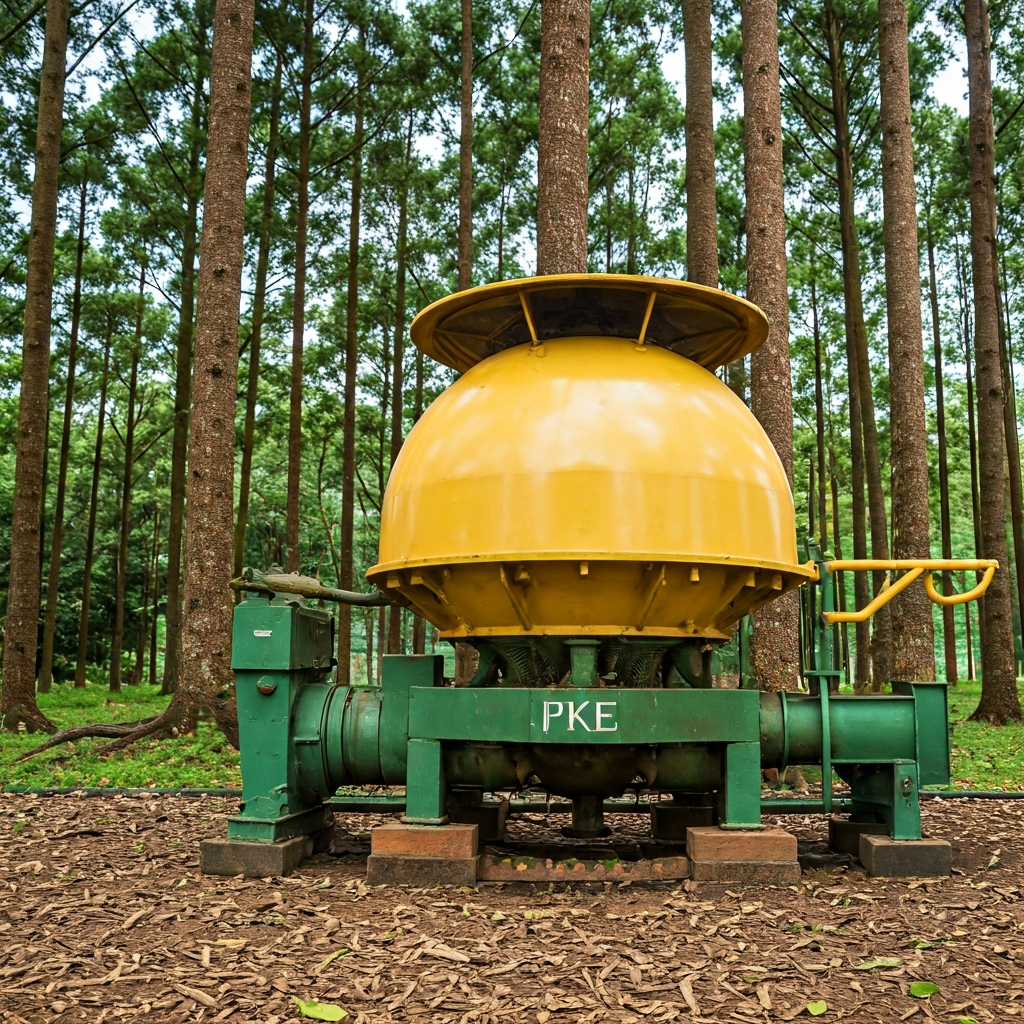
What is Palm Kernel Expeller (PKE)? The Ultimate Guide for Animal Feed
What is Palm Kernel Expeller? It is the essential, high-energy feed ingredient, معصرة نواة النخيل, revolutionizing livestock nutrition, yet many are failing to unlock its full potential. For farmers and feed managers, understanding this resource is no longer optional—it’s critical for survival and growth.
The global demand for high-quality, cost-effective animal feed is relentless. With rising grain prices, industry leaders are increasingly turning to alternative ingredients. A 2025 report from the الاتحاد الدولي لصناعة الأعلاف highlighted that by-product utilization, like that of PKE, has become a cornerstone of sustainable livestock farming, reducing waste and optimizing feed costs by up to 30%.
ما هو بالضبط مستخلص نواة النخيل (PKE)؟
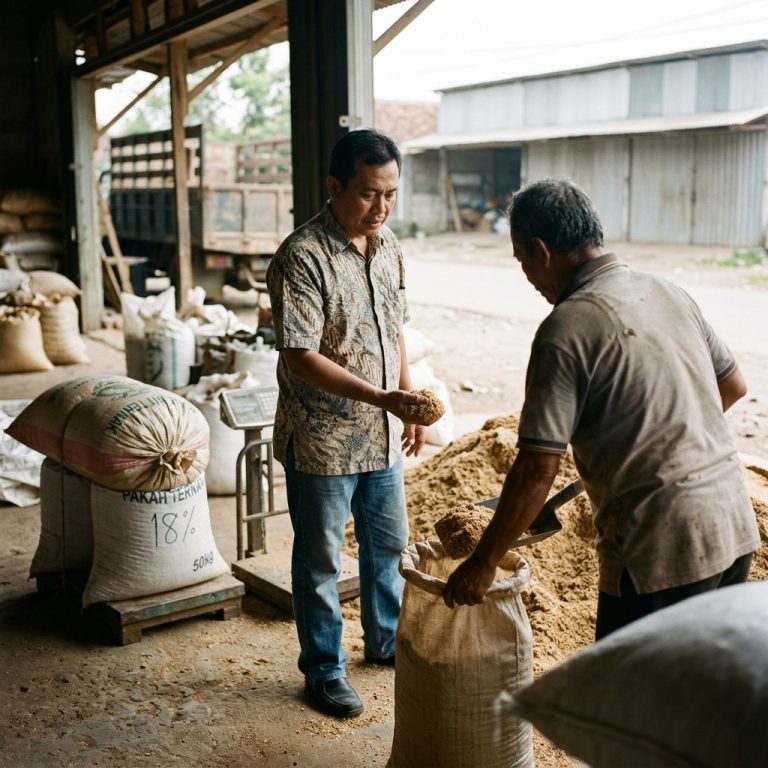
At its core, Palm Kernel Expeller (PKE) is a by-product of the palm oil industry, specifically from the crushing and extraction of oil from the kernel of the oil palm fruit (Elaeis guineensis). This process leaves behind a nutrient-rich solid residue, which is then processed into the coarse, brownish material known as PKE.
It is crucial to understand that PKE is not just a filler; it is a valuable feedstuff with a unique nutritional profile. The nutritional profile of معصرة نواة النخيل is what makes it so valuable for various types of animal feed, especially for ruminants.

From Palm Fruit to Livestock Feed: The PKE Production Process
إنشاء معصرة نواة النخيل is a multi-stage mechanical process that ensures maximum oil is extracted while preserving the nutritional value of the remaining solids. The journey is a testament to industry efficiency.
- الحصاد والتعقيم: Ripe palm fruit bunches are harvested and sterilized with steam to halt enzymatic reactions.
- الدراس والهضم: Fruits are separated from the bunch (threshing), and the pulp is mashed (digestion) to prepare for oil extraction from the mesocarp (which yields CPO).
- تكسير الجوز: The hard nut is separated and cracked to release the valuable palm kernel.
- الاستخلاص الميكانيكي (الطرد): The kernels are crushed and put through a screw press. This expelling action squeezes out the Palm Kernel Oil, and the leftover solid cake is the معصرة نواة النخيل.
[Video: A short animation explaining the mechanical screw press process for Palm Kernel Expeller production.]
PKE vs. Palm Kernel Meal (PKM): A Critical Distinction
A common point of confusion in the industry is the difference between Palm Kernel Expeller (PKE) and Palm Kernel Meal (PKM). While often used interchangeably, they are not the same. The distinction lies in the oil extraction method.
- مستخلص نواة النخيل (PKE): Produced via mechanical pressing (expeller press). It contains a higher residual oil content (typically 6-10%), making it richer in energy.
- وجبة نواة النخيل (PKM): Produced using a solvent extraction method (e.g., with hexane). This method is more efficient at removing oil, resulting in a lower fat content (1-3%) and slightly higher protein concentration.
For energy-dependent livestock like dairy cattle, the higher fat content in PKE is often more desirable. When formulating rations, it is vital to know which product you are using. For farmers seeking a reliable source, obtaining high-grade معصرة نواة النخيل is the first step. For a deeper look at similar high-protein meals, you might also consider وجبة جوز الهند.
The Nutritional Powerhouse: Analyzing PKE Composition
The value of Palm Kernel Expeller in animal feed stems directly from its rich and balanced nutritional profile. While variations exist based on processing, a typical analysis provides a clear picture of its benefits.
Understanding these components is key to leveraging PKE for optimal animal health and productivity. The synergy between its fiber, energy, and protein makes معصرة نواة النخيل a uniquely functional ingredient.
Macronutrient Profile: Energy, Protein, and Fiber
PKE is primarily known for its high energy and fiber content. The metabolizable energy (ME) is crucial for meeting the daily energy requirements of livestock, particularly high-producing dairy cows.
- البروتين الخام: Typically ranges from 14-18%. While not as high as soybean meal, it provides essential amino acids for growth and milk production.
- الدهون الخام: Ranges from 6-10%. This residual palm kernel oil is a dense source of energy.
- الألياف الخام: High levels, often 16-22%. This fibrous component is excellent for promoting rumen function in cattle.
Essential Minerals and Their Role in Animal Health
Beyond macronutrients, PKE is a good source of essential minerals. These inorganic nutrients play vital roles in everything from bone formation to metabolic processes.
Key minerals found in PKE include:
- Phosphorus (P): Crucial for energy metabolism and skeletal development.
- Magnesium (Mg): Important for preventing conditions like grass tetany.
- Potassium (K): Essential for maintaining osmotic balance.
- Copper (Cu) & Zinc (Zn): Trace minerals that are vital for enzyme function and immune health. However, copper levels can be a concern for sheep, which are highly sensitive.

Strategic Uses of Palm Kernel Expeller in Animal Feed
The application of PKE is not a one-size-fits-all solution. Its use must be tailored to the specific species, age, and production goals for the livestock. As an expert from FeedNavigator might attest, strategic formulation is everything.
When used correctly, PKE can significantly reduce feed costs without compromising, and in some cases even enhancing, animal performance. This is particularly true for ruminant species, which are uniquely equipped to utilize PKE’s fibrous nature.
What is Palm Kernel Expeller Best For? Ruminant Nutrition
Ruminants like cattle, sheep, and goats are the primary consumers of PKE. Their specialized digestive systems (rumen) can efficiently break down the high fiber content through microbial fermentation.
A study published in the علوم وتكنولوجيا تغذية الحيوانات journal has consistently shown that for dairy cows, PKE can:
- Increase Milk Fat: The “scratch factor” from the fiber and the high palmitic acid content can boost butterfat percentages.
- Provide Bypass Protein: A portion of PKE protein escapes rumen degradation, providing essential amino acids directly to the small intestine.
- Improve Rumen Health: The high NDF (Neutral Detergent Fiber) content stimulates rumination and saliva production, acting as a buffer against acidosis.
PKE in Poultry and Swine Diets: Opportunities and Limits
For monogastric animals like pigs and chickens, the high fiber in PKE presents a challenge as they lack a rumen to digest it effectively. Therefore, inclusion rates are much lower.
- دواجن: Typically limited to 5-10% of the diet. Higher levels can dilute the energy content and reduce feed intake.
- الخنازير: Can be included at up to 15% in finisher pig diets, but is less suitable for young piglets due to the fiber content.
The gritty nature of PKE can also be a challenge for pellet quality in monogastric feeds. However, for farmers looking to utilize various palm by-products, even the woody قشرة نواة النخيل has applications in energy and bedding. For swine bedding, some farms also utilize absorbent materials like جوز الهند, showcasing the versatility of agricultural by-products.
PKE vs. Other Feed Ingredients: A Comparative Analysis
To fully appreciate the role of معصرة نواة النخيل, it’s helpful to compare it directly with other common feed ingredients. This table provides a general overview, though exact values can vary.
| Ingredient | Crude Protein (%) | Crude Fat (%) | Crude Fiber (%) | الأفضل لـ |
|---|---|---|---|---|
| معصرة نواة النخيل | 14 – 18 | 6 – 10 | 16 – 22 | Ruminants (Energy & Fiber) |
| وجبة فول الصويا | 44 – 48 | 1 – 2 | 3 – 7 | All (High Protein) |
| Corn / Maize | 8 – 10 | 3 – 4 | 2 – 3 | All (High Energy Starch) |
| وجبة جوز الهند | 20 – 25 | 6 – 12 | 10 – 14 | Ruminants & Swine (Protein & Energy) |

مكمور أمانة سجيتيرا نُقدّم منتجات نخيل عالية الجودة مثل مُستخلص نواة النخيل، وقشور نواة النخيل، وزيت النخيل الخام، وزيت نواة النخيل، وغيرها. يُرجى التواصل معنا على واتساب +6282140002198 أو راسلنا عبر البريد الإلكتروني على admin@makmuramanah.co.id.
Frequently Asked Questions (FAQs) about Palm Kernel Expeller
1. Is PKE good for dairy cows?
Absolutely. PKE is an excellent feed for dairy cows. Its high fiber content promotes good rumen health, while its fat content boosts the diet’s energy density and can increase milk butterfat levels—a key metric for dairy farm profitability. This makes it a valuable feed ingredient.
2. What is the difference between PKE and palm kernel meal?
The primary difference is the oil extraction method. PKE is made by mechanically pressing kernels, leaving 6-10% residual oil. Palm Kernel Meal (PKM) uses solvent extraction, resulting in a lower oil content (1-3%) and a finer, more powdery texture.
3. How much PKE can I feed to my livestock?
For ruminants like dairy cattle, PKE can form 20-30% of diet concentrate. This can increase to 50% in specific rations. However, for monogastrics like poultry and swine, inclusion is limited to 5-10% due to their inability to digest high fiber content effectively.
4. Are there any risks with feeding PKE?
The main risks relate to quality. Poorly processed or stored PKE can develop mold and mycotoxins. Additionally, its high copper content makes it unsuitable for sheep, which are highly sensitive to copper toxicity. Always source your معصرة نواة النخيل from a reputable supplier.
5. Why is Palm Kernel Expeller a sustainable choice?
PKE is a sustainable choice because it’s a by-product of palm oil production, turning a potential waste stream into valuable animal feed. This circular economy practice reduces the need for purpose-grown crops like corn and soy, making livestock farming more efficient and environmentally friendly.
Conclusion: The Future of Feed is in Smart By-Products
The question is not just “What is Palm Kernel Expeller?” but “How can we use it more effectively?” As we move through 2026, PKE has cemented its place as a cornerstone of modern, cost-effective livestock nutrition. Its unique combination of energy, fiber, and protein makes it an invaluable tool for ruminant feed formulators.
However, success hinges on understanding its properties, distinguishing it from PKM, and sourcing high-quality products. By integrating it intelligently, you can improve animal performance, support herd health, and enhance your farm’s bottom line. The journey to optimized feeding starts with a full understanding of powerful ingredients like معصرة نواة النخيل.

 Arabic
  English
  Indonesian
  Chinese