

GACC Approved PKE for China: Your Guide to Requirements, Registration & Sourcing [2026]
Securing GACC approved PKE for China is the single most critical step for any exporter targeting the world’s largest animal feed market. Failing to meet these stringent standards means your shipment will be rejected, costing you millions. This guide provides the definitive 2026 roadmap to navigate the complex requirements, streamline your registration, and source reliable PKE.
The Chinese market for animal feed ingredients is valued at over $60 billion, with demand consistently rising. Palm Kernel Expeller (PKE) is a vital component, but market access is strictly controlled by the General Administration of Customs of the People’s Republic of China (GACC). Understanding and complying with their regulations isn’t just recommended—it’s mandatory for market entry.
ما هي GACC ولماذا تعتبر بالغة الأهمية لصادرات PKE؟
GACC is the Chinese government agency responsible for supervising the safety, quality, and inspection of all imported goods. For feed ingredients like PKE, GACC’s oversight is paramount to protect China’s vast agricultural sector. Obtaining GACC approved PKE for China signifies that your product meets these exhaustive safety and quality benchmarks.
This process is the gateway to the market. Without a valid GACC registration number, your PKE shipments will not clear Chinese customs. It’s a non-negotiable requirement that proves your commitment to global quality and regulatory compliance.
From AQSIQ to GACC: A Critical Transition
Industry veterans will remember the former agency, AQSIQ (General Administration of Quality Supervision, Inspection and Quarantine). In 2018, AQSIQ’s responsibilities were merged into the newly consolidated GACC. This change streamlined oversight but also intensified the focus on traceability and risk management.
All previous AQSIQ registrations for feed ingredients had to be transitioned and re-validated under GACC’s new, more robust system, known officially as the China Import Food Enterprise Registration (CIFER) system.
The Core Role of GACC in Ensuring Feed Safety
GACC’s primary objective is to prevent the introduction of animal and plant diseases, pests, and contaminants into China. For PKE, this involves a rigorous assessment of the entire supply chain, a process detailed in official decrees like Decree 248.
GACC evaluates everything from raw material sources and processing facility hygiene to final product contaminant levels. Furthermore, they mandate a comprehensive traceability system. Exporters must be able to track a specific batch of PKE from the Chinese port back to the processing plant, ensuring swift and precise recalls if needed.
[Image: Infographic detailing the step-by-step process for getting GACC approved PKE for China in 2026.]
Image Alt Text: Infographic showing the step-by-step process for getting GACC approved PKE for China in 2026.
Image Title: GACC Registration Process for Palm Kernel Expeller
The GACC Registration Process: A Step-by-Step Guide
Achieving GACC registration is a meticulous process demanding precision. The entire system is managed online through the China Import Food Enterprise Registration (CIFER) portal. Here’s how to navigate it effectively.
- Account Creation and Pre-Assessment: First, create an account on the GACC CIFER platform. Before applying, conduct a thorough internal audit against GACC’s requirements, verifying your facility’s hygiene, production processes, and quality control documentation.
- Document Preparation: This is the most labor-intensive phase. You will need to compile a comprehensive dossier, translated into Mandarin Chinese. This typically includes business licenses, export permits, production process details, a full HACCP plan, raw material declarations, and facility floor plans.
- Application Submission via CIFER: Submit the application through the online portal. The system is entirely in Mandarin, so engaging a native speaker or an experienced consultant is crucial to avoid errors that could lead to immediate rejection.
- GACC Technical Review: GACC experts will scrutinize your dossier for compliance. If they find discrepancies, they will issue a request for supplementary information. Responding promptly and accurately is vital.
- Video or On-Site Audit: Depending on the perceived risk and your country of origin, GACC may require a remote video audit or an in-person inspection. They will assess your operations in real-time to verify the claims made in your application.
- Approval and Registration Number Issuance: Upon successful completion of all reviews and audits, GACC grants approval. You will be issued a unique registration number that must be clearly marked on all PKE packaging shipped to China. This completes the process for obtaining GACC approved PKE for China.
Essential Requirements for GACC Approved PKE for China
While the process is one part of the puzzle, meeting the underlying technical requirements is the other. GACC’s standards are detailed and unforgiving. To ensure your product is compliant, a deep focus on three core areas is essential for securing your status for GACC approved PKE for China.
These requirements are not just a checklist; they form a robust quality system that ensures every batch of معصرة نواة النخيل is safe and consistent.
Facility & Production Standards
Your processing plant must adhere to strict hygiene and pest control protocols, in line with Good Manufacturing Practices (GMP). This includes clear separation between raw material, processing, and finished product areas. GACC requires detailed documentation of sanitation procedures, employee training, and a comprehensive pest management plan.
Quality Control and Traceability Systems
A robust quality control system is non-negotiable. You must have a lab (in-house or third-party) capable of testing for key parameters like mycotoxins, heavy metals, and pesticide residues, as confirmed by scientific studies on feed contaminants. Moreover, a “farm-to-port” traceability system is critical for managing GACC approved PKE for China, allowing you to pinpoint the origin of any batch.
Additionally, GACC is increasingly interested in the quality of other inputs, making it wise to understand the entire ecosystem of agricultural products, from energy sources like قشرة نواة النخيل to soil amendments like جوز الهند.
Product Labeling and Packaging Mandates
Packaging must be new, clean, and strong enough to withstand shipping. More importantly, labeling must be perfectly compliant. Each bag or container must be clearly marked in both English and Mandarin with the product name, key specifications, net weight, manufacturer details, your unique GACC registration number, production date, and batch number.
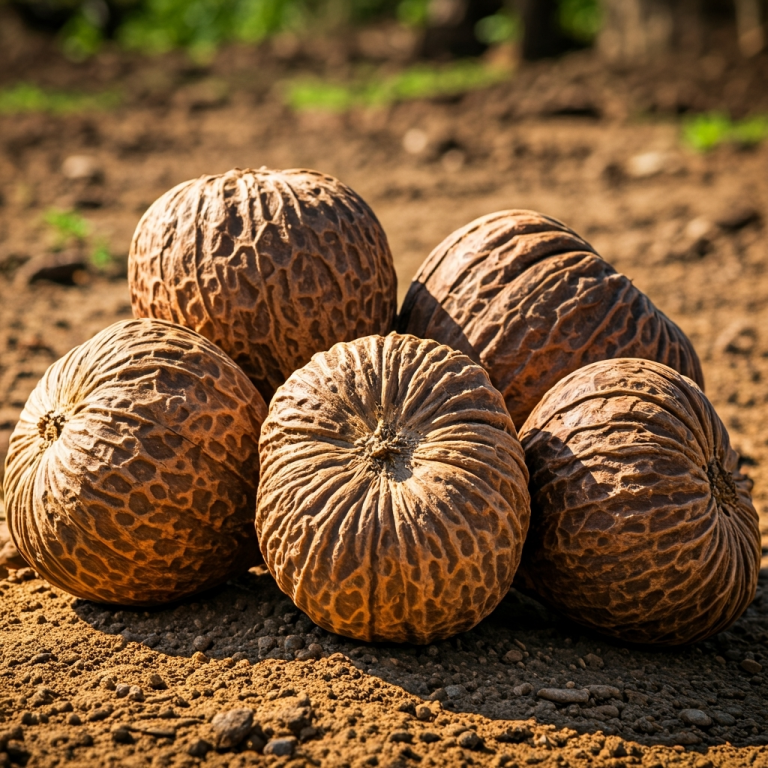
[Image: A close-up of high-quality GACC approved PKE for China, showing its texture and composition.]
Image Alt Text: A close-up of high-quality GACC approved PKE for China, showcasing its ideal texture.
Image Title: High-Quality Palm Kernel Expeller for Export
PKE Specification & Quality Comparison for the Chinese Market
Not all PKE is created equal. The Chinese market demands high-quality products, and GACC’s inspection at the port of entry will verify this. Understanding the key specifications is crucial for registration and successful long-term trade. Below is a comparison of typical specifications.
| المعلمة | High-Quality PKE (China Market Standard) | Standard/Lower-Grade PKE |
|---|---|---|
| البروتين الخام | 15-17% min | 12-14% |
| الدهون الخام (مستخلص الإيثر) | 8-10% | <7% or >12% (inconsistent) |
| رُطُوبَة | 10% max | >12% (risk of mold) |
| الألياف الخام | 16-18% | >20% (lower digestibility) |
| Aflatoxin B1 | Below 20 µg/kg (as per Chinese standard) | Often higher, inconsistent |
This table highlights why sourcing from a reputable supplier is key. A reliable partner consistently meets the higher specifications for GACC approved PKE for China, ensuring smooth customs clearance. While other feed meals like وجبة جوز الهند have their own markets, PKE for China must meet this specific quality profile.
مكمور أمانة سجيتيرا نُقدّم منتجات نخيل عالية الجودة مثل مُستخلص نواة النخيل، وقشور نواة النخيل، وزيت النخيل الخام، وزيت نواة النخيل، وغيرها. يُرجى التواصل معنا على واتساب +6282140002198 أو راسلنا عبر البريد الإلكتروني على admin@makmuramanah.co.id.
[Image: Diagram of a PKE processing facility compliant with GACC standards.]
Image Alt Text: Diagram of a PKE processing facility fully compliant with GACC standards.
Image Title: GACC Compliant PKE Production Facility
الأسئلة الشائعة (FAQ)
What is the difference between GACC and the old AQSIQ system?
GACC is a 2018 consolidation of AQSIQ and other agencies. The new GACC system uses a unified digital platform (CIFER) and places a much stronger emphasis on complete supply chain traceability and a more rigorous risk assessment model for all imported food and feed products.
How long is a GACC PKE registration valid for?
A GACC registration for overseas manufacturers of imported feed like PKE is valid for 5 years. You must apply for renewal well before the expiration date to ensure there is no lapse in your ability to export to China, a key detail for maintaining your GACC approved PKE for China status.
Can I export PKE to China without GACC approval?
No. It is illegal to export PKE to China from a facility that has not been registered with GACC. Any product arriving from an unapproved facility will be rejected at the port, returned to the sender, or destroyed at the exporter’s expense.
What are the most common reasons for a GACC application rejection?
Common reasons include incomplete or poorly translated documentation, a failed HACCP or traceability system, and unsatisfactory facility audits. Mismatches between submitted documents and actual facility conditions are a major red flag for GACC inspectors and can delay your GACC approved PKE for China.
How much does the GACC registration process cost?
GACC does not charge a fee for the application itself. However, exporters must budget for associated costs. These include fees for document translation, hiring professional consultants, laboratory testing, and potential travel expenses if an on-site audit is required by GACC.
Are other palm products regulated besides PKE?
Yes. China has strict import controls for many agricultural goods. Other palm-derived products, like edible oils such as RBD CP8 or feed additives like أملاح الكالسيوم للأحماض الدهنية لزيت النخيل, have their own specific GACC registration requirements and national standards.
Conclusion: Your Expert Partner for the Chinese Market
Navigating the path to securing GACC approved PKE for China is a complex but achievable goal. It demands a deep understanding of the regulations, meticulous preparation, and an unwavering commitment to quality. From the initial CIFER application to passing audits and meeting strict product specifications, every step must be executed with precision.
By following this guide and partnering with an experienced supplier, you can unlock access to the world’s most lucrative PKE market. As affirmed by major trade bodies like the Grain and Feed Trade Association, compliance is the bedrock of a sustainable export business. Achieving registration is not the end; maintaining it is an ongoing process of delivering safe, high-quality, GACC approved PKE for China.
[Video: How to Perform a Quality Inspection on Palm Kernel Expeller for Export]

 Arabic
  English
  Indonesian
  Chinese