
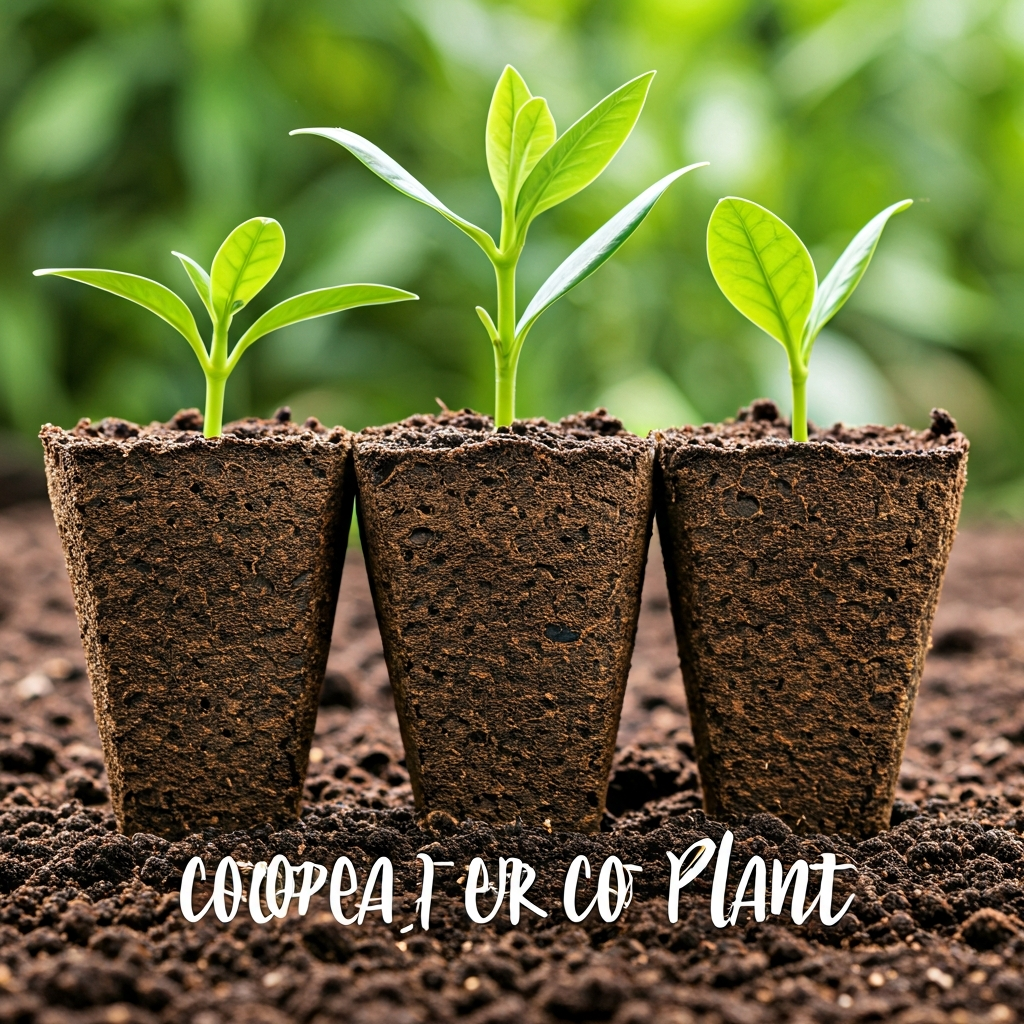
Cocopeat for Plants: The Ultimate Guide to Uses, Benefits, and Preparation
استخدام cocopeat for plants is a transformative gardening secret that is rapidly becoming a mainstream solution for healthier, more vigorous growth. If you’ve struggled with poor soil drainage, inconsistent water retention, or finding a sustainable alternative to traditional mediums, you have found the definitive answer. This guide illuminates every facet of using cocopeat, ensuring you avoid common pitfalls and unlock its full potential.
The quest for the perfect growing medium is a top priority for every passionate gardener and commercial grower. In fact, studies show that the global market for growing media is projected to grow by over 6% annually, driven by the demand for soilless cultivation and sustainable products. Cocopeat, a byproduct of the coconut industry, stands at the forefront of this green revolution, offering a powerful solution that benefits both your plants and the planet. This focus on sustainability is why using cocopeat for plants is gaining such wide-ranging traction.
What Exactly Is Cocopeat? A Gardener’s #1 Ally
Cocopeat is a 100% natural, multi-purpose growing medium made from the fibrous husk of a coconut. For decades, this material was considered waste. Today, it’s celebrated as a superior alternative to peat moss and traditional soil.
This fibrous material, also known as coir pith or coco coir, is the foundation for creating an ideal root environment, which is crucial for overall plant health.
It consists of the spongy pith and short fibers found between the hard, internal shell and the outer coat of a coconut. After being processed—which involves aging, washing, drying, and often compressing into blocks—it becomes a versatile horticultural product.
For those seeking the highest quality, a reliable supplier of processed جوز الهند is essential. This ensures the product is properly buffered and ready for use, a key step for success with cocopeat for plants.
Understanding the different grades is key. Cocopeat comes in three main forms: the spongy pith (most common), long fibers (which improve aeration), and chips (which add air pockets). The blend you choose depends on your specific needs, but the pith is the most versatile for general potting mixes.
7 Science-Backed Benefits of Using Cocopeat for Plants
The advantages of integrating cocopeat for plants into your gardening practices are numerous and well-documented. It’s not just hype; the physical and chemical properties of this material deliver tangible results from the roots up.
- Unbeatable Water Retention: Cocopeat can absorb up to 10 times its weight in water. This means your soil stays moist for longer, reducing watering frequency by as much as 50% and protecting plants from drought stress.
- تهوية فائقة للجذور: Despite its high water retention, the fibrous structure of cocopeat prevents it from compacting. This creates essential air pockets in the soil, allowing oxygen to reach the roots, which is vital for nutrient uptake and preventing root rot.
- Neutral pH Level: Most cocopeat has a pH range of 5.5 to 6.8, which is nearly ideal for the vast majority of plants. This neutral starting point makes it easy to adjust the pH for specific acid-loving or alkaline-loving plants without a struggle.
- Sustainable & Eco-Friendly: Cocopeat is a renewable resource derived from a waste product. Its use helps reduce the harvesting of peat moss from fragile bog ecosystems, which act as crucial carbon sinks. A 2019 study in the مجلة علم الزراعة confirms coir as a viable and sustainable peat substitute.
- Naturally Anti-Fungal: Cocopeat contains natural lignins that encourage the growth of beneficial microorganisms while discouraging harmful pathogens like Pythium and Phytophthora. This helps protect seedlings and mature plants from common fungal diseases.
- Easy to Hydrate and Use: Sold in compressed, lightweight bricks, cocopeat is easy to transport and store. When you’re ready to use it, simply add water, and it expands dramatically into a fluffy, ready-to-use medium in minutes.
- Lightweight and Easy to Handle: For container gardening, rooftop gardens, or vertical farms, the lightweight nature of cocopeat is a significant advantage over heavy, dense potting soils, making pots and trays much easier to move and manage.
[Image: A side-by-side photo showing a dense, dry compressed cocopeat brick on the left and a large, fluffy pile of expanded, moist cocopeat on the right. Title: From Brick to Bliss. Alt Text: A compressed brick and expanded pile of cocopeat for plants, ready for use.]
Cocopeat vs. Peat Moss vs. Soil: Which is Best?
Choosing a growing medium can be confusing. While traditional soil has its place, soilless mediums like cocopeat and peat moss offer unique advantages, especially for container gardening and seed starting. Here’s how they stack up.
| ميزة | جوز الهند | الخث | Topsoil |
|---|---|---|---|
| الاستدامة | عالي (منتج ثانوي متجدد) | Low (Non-renewable, bog depletion) | Variable (Can cause soil erosion) |
| احتباس الماء | ممتاز | مرتفع جداً | Variable (Depends on clay/sand content) |
| مستوى الرقم الهيدروجيني | Neutral (5.5 – 6.8) | Acidic (3.5 – 4.5) | عامل |
| قابلية التبلل | Hydrophilic (Absorbs water easily) | Hydrophobic (Resists re-wetting when dry) | يختلف |
| المحتوى الغذائي | Inert (Contains little to no nutrients) | Inert | Contains organic matter and nutrients |
بينما الخث has been a horticultural staple for years, its environmental impact is significant. Cocopeat offers similar, and in some cases superior, benefits without the ecological cost, making it the clear winner for conscious gardeners in 2026.
How to Prepare Cocopeat for Plants: A Critical Step-by-Step Guide
Proper preparation is the most critical factor for success with this medium. Unprepared cocopeat can contain high levels of sodium and potassium, which can harm plants. Following these steps ensures you provide a safe and optimal environment for growth.
Step 1: Choosing Your Cocopeat Block
Start with a high-quality, low-sodium cocopeat brick from a reputable source. These are typically graded by their Electrical Conductivity (EC), a measure of salt content. Look for blocks with a low EC, as this indicates they have been pre-washed to some degree.
Step 2: Rehydrating the Brick (The Fun Part!)
This is where the magic happens. Place your compressed brick in a large container, like a wheelbarrow or a sturdy tub. Then, follow this simple process:
- Add the recommended amount of warm water (check the packaging). A standard 5kg brick usually requires about 25 liters (6.5 gallons) of water.
- Allow the brick to sit and absorb the water for 15-30 minutes. It will begin to swell and break apart.
- Once it has expanded, use a small shovel or your hands to break up any remaining clumps until you have a uniform, fluffy consistency.
Step 3: Rinsing and Buffering Your Cocopeat for Plants (Non-Negotiable)
This is the step many beginners skip, often with disastrous results. Rinsing removes excess salts, while buffering (or “charging”) replaces sodium and potassium ions with calcium and magnesium. This process prevents nutrient lockout later, which is a common issue with improperly prepared cocopeat for plants.
To properly buffer, soak the expanded cocopeat in a Calcium-Magnesium supplement (Cal-Mag) solution for 8-12 hours. Use a ratio of about 1.5 grams of Cal-Mag per liter of water. After soaking, drain the excess water completely. This ensures the cocopeat won’t trap essential nutrients meant for your plants. It’s a different process than preparing other agricultural materials like وجبة جوز الهند, which is processed for feed, not for its cation exchange capacity.
Step 4: Amending for Optimal Plant Growth
Because cocopeat is an inert medium, it contains no nutrients. When using cocopeat for plants, you must add them. A great starting mix for most container plants is:
- 50% Buffered Cocopeat
- 30% Perlite or Pumice (for extra drainage)
- 20% High-Quality Compost or Worm Castings (for slow-release nutrients)
Mix these components thoroughly. You can also add a balanced, slow-release granular fertilizer to provide sustained nutrition for your cocopeat for plants setup throughout the growing season.
[Image: Infographic with icons for the 4 key benefits of cocopeat. Icon 1: Water droplet with “10x Retention.” Icon 2: Roots with air bubbles “Superior Aeration.” Icon 3: pH scale icon showing “Neutral pH.” Icon 4: Recycling symbol with a leaf “100% Sustainable.” Title: Cocopeat Power-Ups. Alt Text: An infographic detailing the key benefits of using cocopeat for plants.]
Creative Ways to Use Cocopeat for Plants
Beyond a simple potting mix, cocopeat’s versatility shines in various applications. As noted by experts at the الجمعية الملكية للبستنة, its applications are vast.
- مزيج بدء زراعة البذور: Its fine texture and anti-fungal properties make it the perfect medium for germinating seeds. It holds moisture evenly, preventing seeds from drying out.
- Potting Mix Amendment: Mix it into existing potting soil (at a 25-50% ratio) to dramatically improve water retention and aeration in any container.
- Hydroponic Growing: Cocopeat is a world-class medium for hydroponic and aquaponic systems. It provides excellent root support and moisture delivery without the mess of soil.
- Worm Bin Bedding: The moisture-retaining, airy, and pH-neutral qualities of cocopeat create the perfect environment for a vermicomposting (worm) bin.
- Mulch Alternative: A layer of cocopeat on top of garden beds can help retain moisture, suppress weeds, and regulate soil temperature. This differs from other byproducts like قشرة نواة النخيل, which is used as a dense biomass fuel rather than a light mulch.
- Sustainable Agricultural Practice: Using a byproduct like cocopeat is an excellent sustainable practice. This contrasts with other agricultural byproducts like معصرة نواة النخيل, which is primarily processed as a protein-rich animal feed, demonstrating how different parts of a harvest can serve unique, valuable purposes.
[Image: Hands-on shot of a gardener mixing fluffy, dark brown cocopeat with white perlite and rich black compost in a potting tray. Title: Crafting the Perfect Mix. Alt Text: A gardener preparing a potting mix with cocopeat for plants.]
مكمور أمانة سجيتيرا نُقدّم منتجات نخيل عالية الجودة مثل مُستخلص نواة النخيل، وقشور نواة النخيل، وزيت النخيل الخام، وزيت نواة النخيل، وغيرها. يُرجى التواصل معنا على واتساب +6282140002198 أو راسلنا عبر البريد الإلكتروني على admin@makmuramanah.co.id.
الأسئلة الشائعة حول جوز الهند
1. What is cocopeat and how is it used for plants?
Cocopeat is a natural fiber made from coconut husks used as a growing medium. It improves soil structure by increasing water retention and aeration. It’s used for seed starting, in potting mixes, and for hydroponics to help plants develop healthier root systems and grow more vigorously.
2. How do you prepare cocopeat blocks for plants?
To prepare a block, first rehydrate it with water until it expands into a fluffy material. Next, you must rinse it thoroughly to remove excess natural salts. Finally, buffer it with a Cal-Mag solution for 8-12 hours to prevent nutrient lockout before mixing it into your soil.
3. Can I use 100% cocopeat for my plants?
While possible for hydroponics, it is not recommended for most container plants. Using 100% cocopeat can lead to excessive water retention and a lack of nutrients. It is best to amend it with materials like perlite for aeration and compost for nutrition (a 50% cocopeat ratio is ideal).
4. What are the disadvantages of cocopeat?
The main disadvantages are its lack of nutrients, the potential for high salt content if not properly rinsed, and its tendency to compact over time if not mixed with an aeration amendment like perlite. Proper preparation (rinsing and buffering) is essential to mitigate these issues.
5. Is cocopeat better than soil?
Cocopeat is not inherently “better,” but it excels as a soil *amendment* and soilless medium. It offers superior water control and aeration compared to dense clay soil. For a balanced, nutrient-rich environment, a mix of cocopeat, compost, and other amendments is often superior to using either alone.
[Video: Suggestion for an embedded YouTube video. The video title is “How to Prepare a Cocopeat Brick in Under 5 Minutes.” The thumbnail shows a person pouring water on a cocopeat brick. Title: Watch It Expand! Alt Text: A video demonstration on preparing cocopeat for plants.]
Conclusion: The Future of Gardening is Here
In the world of modern horticulture, using cocopeat for plants is no longer a niche technique but a foundational strategy for success. Its unparalleled water management, aeration capabilities, and sustainable origins make it a clear winner over less eco-friendly alternatives. By providing a stable, sterile, and perfectly textured environment, you empower your plants to build robust root systems—the engine for all healthy growth. The right setup for cocopeat for plants makes all the difference.
Remember that the key to unlocking these benefits lies in proper preparation. Always take the time to rehydrate, rinse, and buffer your cocopeat to create the perfect starting point. By doing so, you are not just growing plants; you are cultivating a thriving ecosystem in every pot and garden bed. Embrace the power of cocopeat for plants and watch your garden flourish like never before in 2026 and beyond.

 Arabic
  English
  Indonesian
  Chinese