
Importing Palm Kernel Expeller to Egypt: Your #1 Guide for 2026
Importing Palm Kernel Expeller (PKE) to Egypt is a strategic move for agribusinesses aiming to enhance livestock feed quality while managing costs. This import process, however, is filled with complex regulations and logistical challenges. A single misstep can lead to costly delays or seized shipments, turning a profitable venture into a financial burden.
This definitive 2026 guide is your playbook for success. We provide a line-by-line walkthrough of every critical step, from sourcing high-grade PKE to navigating Egyptian customs without issues. Our goal is to empower your business with the expertise to make this agricultural import a cornerstone of your growth strategy.
Why PKE is a Game-Changer for Egypt’s Livestock Sector
The demand for high-quality animal feed in Egypt is surging, driven by the nation’s expanding dairy and poultry industries. Palm Kernel Expeller stands out as a premier ingredient due to its balanced nutritional profile and economic advantages, making it a superior choice for modern farming operations.
Furthermore, its role as a consistent and reliable feed component allows for better long-term planning for feed millers and livestock farmers. This reliability is crucial in a market that often faces fluctuations in local crop availability and prices.
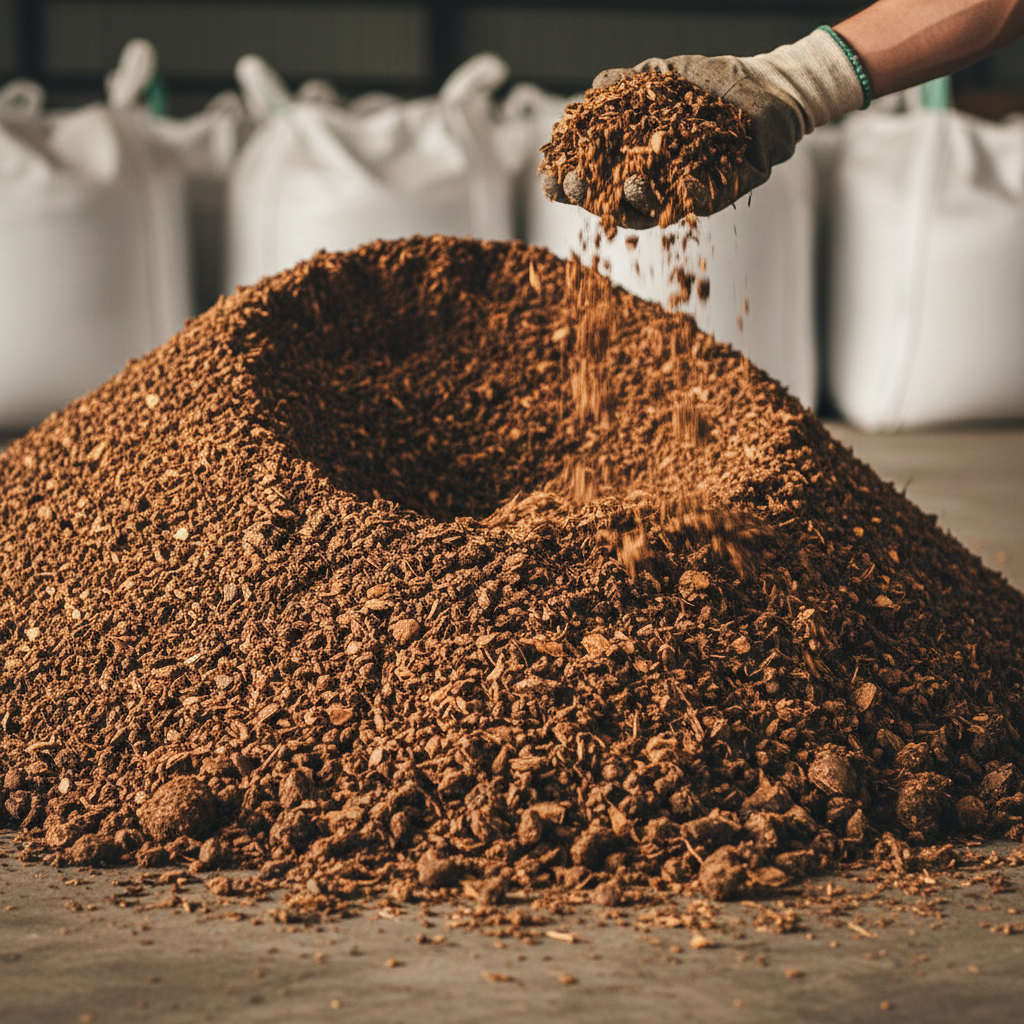
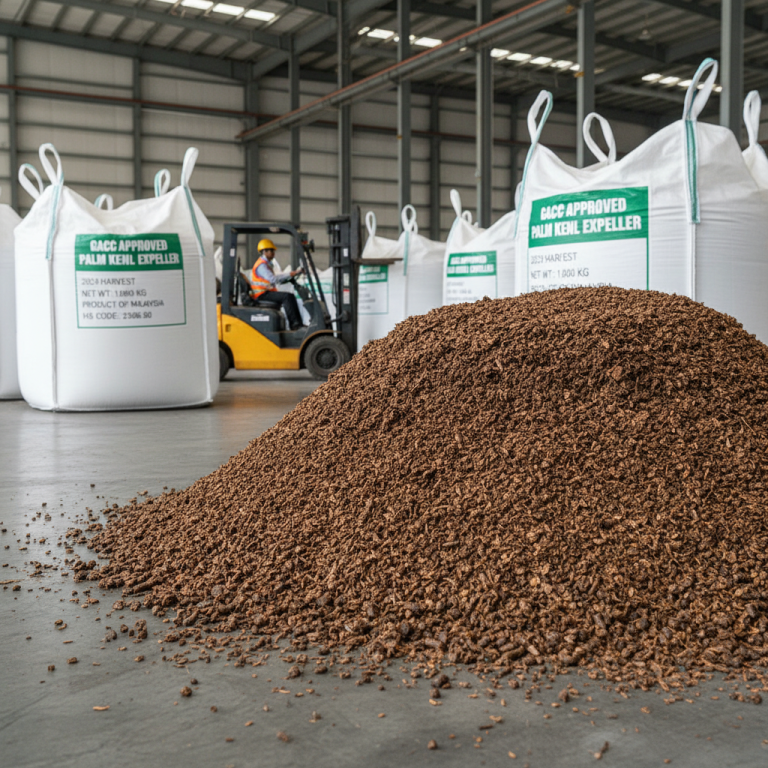
[Image: Close-up shot of high-quality, golden-brown Palm Kernel Expeller, highlighting its coarse and fibrous texture. | alt=”A detailed view of Palm Kernel Expeller for importing to Egypt.” | title=”High-Quality Palm Kernel Expeller (PKE)”]
Nutritional Profile of High-Quality PKE
High-quality PKE is a powerhouse of nutrients essential for ruminant animals. It typically contains a beneficial combination of crude protein (14-18%) and high fiber, which aids in digestion. This composition makes it an excellent feed for dairy cattle, beef cattle, and sheep.
Moreover, the residual oil in PKE provides a significant energy source. According to a study in the Animal Nutrition journal, the specific fiber and protein structure in PKE leads to improved milk production and weight gain when used correctly in feed rations.
Cost-Effectiveness Compared to Alternatives
One of the most compelling reasons for importing PKE to Egypt is its cost-effectiveness. Compared to other protein sources like soybean meal or corn, PKE often presents a more stable and affordable option. This allows businesses to reduce production costs without sacrificing nutritional quality.
This economic advantage is particularly important for large-scale operations where feed constitutes the majority of overhead. By integrating PKE, you can achieve a more resilient and profitable business model.
Navigating Egypt’s Import Regulations & Documentation in 2026
Successfully importing any agricultural commodity into Egypt requires meticulous attention to regulatory detail. Several bodies, including the Egyptian Customs Authority, govern the process. Adherence to these rules is non-negotiable and demands precise documentation to avoid shipment seizures or fines.
Preparing your documentation correctly is the first step toward a smooth and predictable customs clearance experience. Let’s break down exactly what you need.
Essential Pre-Shipment Documentation
Before your PKE shipment leaves its port of origin, a complete set of documents must be prepared. Failure to have these in order will lead to guaranteed delays. Essential paperwork includes:
- فاتورة تجارية: يوضح تفاصيل المعاملة بين المصدر والمستورد.
- شهادة المنشأ: Authenticates the country where the PKE was produced.
- بوليصة الشحن (B/L): The contract between the shipper and the transportation company.
- قائمة التعبئة: Itemizes the contents, weight, and packing details of the shipment.
- شهادة الصحة النباتية: Confirms the shipment is free from pests and diseases.
- Analysis Report (Certificate of Analysis): Shows the nutritional specifications of the PKE.
Customs Clearance in Egypt: A Step-by-Step Guide
The customs process in Egypt follows a structured sequence. Understanding these steps helps you anticipate requirements and timelines, ensuring you are prepared for every stage of the import journey.
- Cargo Arrival & Initial Declaration: The shipping agent notifies the port, and the importer files an initial customs declaration.
- Document Submission: All required documents are submitted to the Egyptian Customs Authority for review.
- Inspection and Sampling: Customs officials may inspect the cargo and take samples for laboratory analysis to verify compliance with Egyptian standards.
- Duty & Tax Assessment: Based on the declared value and classification, customs calculates the applicable import duties and VAT.
- Final Release: Once all duties are paid and approvals are granted, the cargo is released to the importer.
3 Critical Errors to Avoid When Importing Palm Kernel Expeller to Egypt
While knowing the steps is important, knowing the pitfalls is crucial. Decades of experience have shown us that importers, especially new ones, commonly fall into three traps. Avoiding them is key to a successful import.
[Image: An infographic with 5 icons and titles: 1. Sourcing, 2. Lab Analysis, 3. Contracts, 4. Logistics, 5. Customs. | alt=”Infographic showing the 5 steps for importing Palm Kernel Expeller to Egypt.” | title=”5-Step Process for Importing PKE to Egypt”]
Error #1: Neglecting Supplier Due Diligence
The quality of your PKE hinges entirely on your supplier. A common mistake is choosing a supplier based on price alone. A trustworthy exporter not only provides a high-grade product but also ensures smooth logistics and, most importantly, accurate documentation that meets Egypt’s strict requirements.
Look for established companies with a proven track record of exporting to the MENA region. These suppliers, such as مكمور أمانة سجيتيرا, understand the specific quality standards needed and provide excellent معصرة نواة النخيل that complies with international certifications.
Error #2: Incomplete or Inaccurate Documentation
This is the single most common cause of customs delays. A missing Phytosanitary Certificate or an Analysis Report that doesn’t match the shipment’s actual specs will bring your entire operation to a halt at the port. Ensure every document is double-checked against the purchase order and Egyptian import rules before the vessel sails.
Error #3: Misunderstanding Landed Costs
Your landed cost is the total price of getting the PKE from the supplier’s warehouse to your facility. It’s not just the purchase price. New importers often forget to budget for shipping insurance, customs duties (approx. 5%), VAT (14%), port handling fees, and inland transportation. Calculating this number accurately is essential for a profitable venture.
Supplier Vetting: Your Framework for Quality Assurance
A reliable supplier is your most important partner. Vetting them is a critical investment of time that pays dividends in product quality and logistical efficiency.
Key Certifications to Demand
Certifications are a non-negotiable indicator of a supplier’s commitment to quality. Prioritize suppliers holding internationally recognized credentials, which prove adherence to global standards.
- GMP+ (Good Manufacturing Practices): A leading global standard for feed safety.
- ISO 9001: Ensures the supplier has a robust quality management system.
- ISO 22000: Focuses on food (and feed) safety management.
Data-Driven Comparison: PKE vs. Copra Meal
Choosing the right feed ingredient requires a clear comparison. While both PKE and وجبة جوز الهند are valuable, their distinct nutritional profiles make them suitable for different applications. This data is essential when formulating rations.
| ميزة | مستخلص نواة النخيل (PKE) | وجبة جوز الهند |
|---|---|---|
| البروتين الخام | 14-18% | 20-24% |
| الألياف الخام | 16-18% (High Digestibility) | 10-12% |
| الاستخدام الأساسي | Ideal for Ruminants (Cattle) | Suitable for Swine and Poultry |
| Market Price | Generally More Cost-Effective | Typically Higher Priced |
Optimizing Your Supply Chain for Importing Palm Kernel Expeller to Egypt
An efficient supply chain is just as important as a quality product. When importing Palm Kernel Expeller to Egypt, you must consider logistics from the supplier’s warehouse to your facility. This includes decisions on shipping methods, storage, and even supplementary products.
For instance, many importers consolidate shipments. While your primary goal is importing PKE, you might also source other essential commodities like high-quality قشرة نواة النخيل for biomass energy. Similarly, incorporating جوز الهند into your import strategy can support related agricultural activities by providing a superior growing medium, creating holistic value for your business.
[Image: A large cargo ship with containers at an industrial port, symbolizing global trade and logistics. | alt=”Logistics and shipping for importing Palm Kernel Expeller to Egypt.” | title=”Global PKE Shipping and Logistics”]
مكمور أمانة سجيتيرا نُقدّم منتجات نخيل عالية الجودة مثل مُستخلص نواة النخيل، وقشور نواة النخيل، وزيت النخيل الخام، وزيت نواة النخيل، وغيرها. يُرجى التواصل معنا على واتساب +6282140002198 أو راسلنا عبر البريد الإلكتروني على admin@makmuramanah.co.id.
الأسئلة الشائعة (FAQs)
What is the typical import duty for PKE in Egypt?
As of 2026, the import duty for PKE is typically around 5%, but importers must also pay a 14% Value Added Tax (VAT). Rates can change, so always verify with an Egyptian customs broker or check major publications like FeedNavigator for the latest updates.
How does PKE benefit cattle vs. poultry?
For cattle (ruminants), PKE’s high fiber promotes healthy digestion, while its protein and energy balance supports milk production and growth. For poultry, it is used in smaller percentages as a cost-effective protein and energy source, though it is less digestible for them compared to ruminants.
PKE vs. Palm Kernel Cake: What’s the difference?
The main difference is the oil extraction method. Expeller-pressed PKE uses mechanical pressing, leaving 8-12% residual oil (ideal for energy). In contrast, solvent-extracted Palm Kernel Cake has a much lower oil content of only 1-3%, altering its nutritional and energy profile significantly.
Can I import other palm products with PKE?
Yes, consolidating shipments is a smart logistical strategy. You can arrange a mixed container with products like RBD CP8 (cooking oil) or other feed additives from the same supplier. This streamlines your import process and can significantly reduce freight costs per unit.
Conclusion: Your Partner in a Successful Import Venture
Mastering the art of importing Palm Kernel Expeller to Egypt is a significant competitive advantage. By understanding the nutritional benefits, strictly adhering to Egypt’s 2026 import regulations, and performing rigorous due diligence on suppliers, you set your business up for sustainable and profitable growth.
A successful import is a partnership between you and your supplier. A reliable partner ensures not just quality products but also the support for a seamless transaction. By following this guide, you are well-equipped to begin the journey of importing Palm Kernel Expeller to Egypt بثقة.
[Image: A herd of healthy dairy cows eating from a trough in a clean, modern farm facility. | alt=”Healthy livestock benefiting from high-quality Palm Kernel Expeller.” | title=”Benefits of PKE for Egyptian Livestock”]
 Arabic
  English
  Indonesian
  Chinese