
Cocopeat Guide: 7 Essential Uses & Incredible Tips (2026)
جوز الهند is the ultimate organic substrate transforming indoor gardening and commercial horticulture across the globe in 2026. If you are struggling with poor soil drainage, fast-drying potted plants, or unsustainable soil amendments, this natural coconut byproduct provides the perfect, high-performance growing environment for your crops.
Extracted from the fibrous husk of the coconut outer shell, this eco-friendly material acts like a micro-sponge. According to agricultural research from the منظمة الأغذية والزراعة (الفاو), sustainable coir-based substrates hold up to eight times their dry weight in water while maintaining superior aeration. Consequently, growers can reduce irrigation frequency while shielding root systems from drought stress.
Whether you are a commercial grower expanding your hydroponic greenhouse or a home gardener planting seed starts, mastering جوز الهند preparation is the fastest way to accelerate root development and overall plant vitality.
What is Cocopeat and How is It Produced?
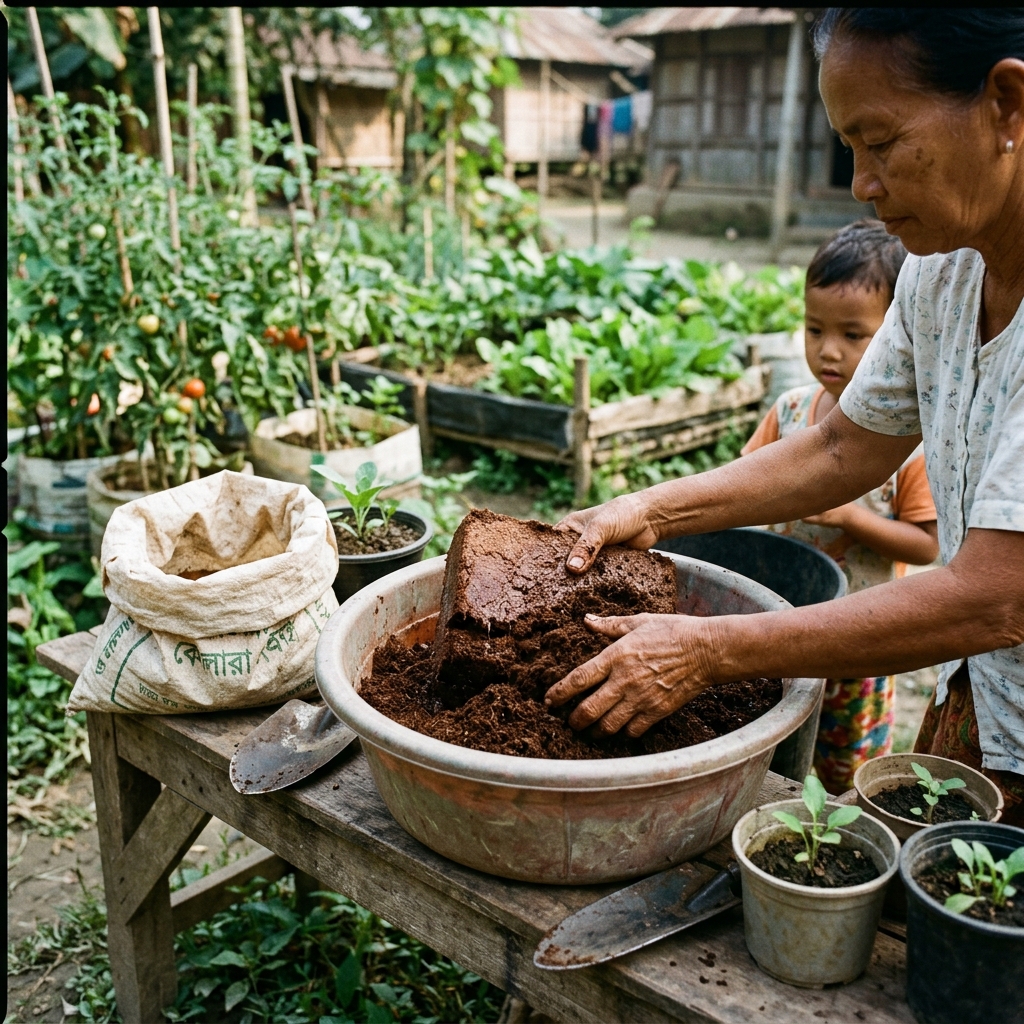
جوز الهند, frequently called coconut coir dust or coco pith, is a natural, 100% organic growing medium derived during the processing of coconut husks. As long fibers are extracted for industrial applications like ropes and mattresses, the remaining soft dust and short capillary particles are separated, washed, dried, and compressed into compact bricks or blocks for agricultural use.
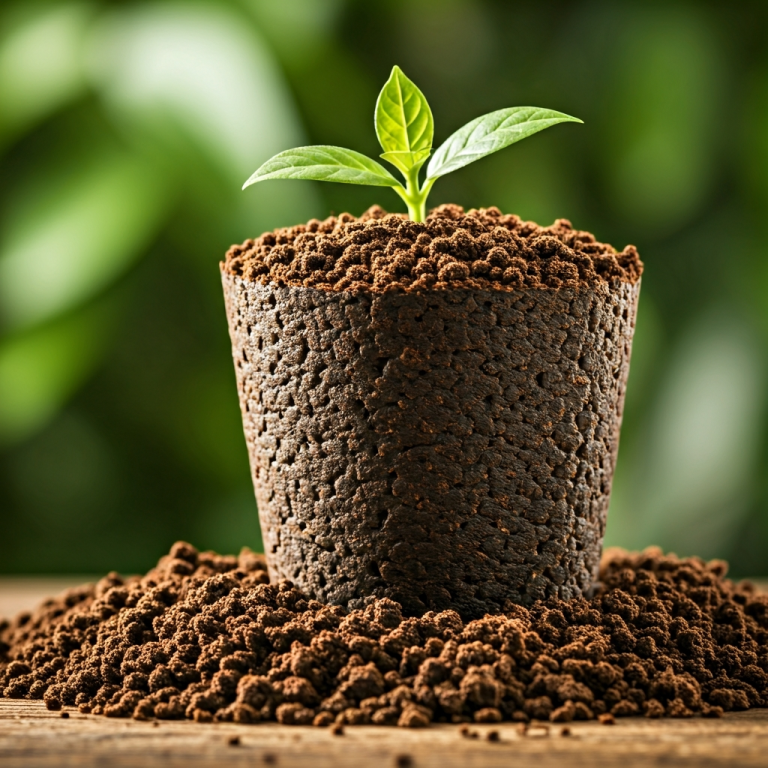
[Image: A close-up view of fine, fluffy brown cocopeat substrate next to a compressed brick. | alt=”High quality cocopeat raw material for horticultural use” | title=”Cocopeat Substrate and Compressed Block”]
Unlike raw agricultural waste, high-grade coir dust undergoes extensive processing to suit delicate root structures. The high natural lignin content prevents rapid microbial decomposition. This ensures that the substrate structure remains stable inside container pots for several consecutive growing seasons without compacting.
The Chemistry of Cocopeat & Coconut Coir Substrates
Chemically, raw coconut husks contain naturally occurring sodium and potassium ions accumulated from coastal tropical soils. High-quality commercial processors flush the raw pith with fresh water to wash away soluble salts, yielding a naturally low Electrical Conductivity (EC) medium suitable for delicate root radicles.
Furthermore, the natural pH of standard coir ranges between 5.8 and 6.5. This slightly acidic-to-neutral profile falls within the ideal sweet spot for maximum plant nutrient availability, making it significantly easier to manage than traditional acidity-heavy peat amendments.
Key Benefits of Using Cocopeat for Plants
Transitioning your pot mix to a high-grade coir medium offers unmatched physical and biological advantages for your garden. Below are the core reasons top commercial growers rely on coir-based substrates:
- قدرة فائقة على الاحتفاظ بالماء: Capable of holding 8 to 9 times its weight in water, preventing plant dehydration during extreme heat waves.
- Superior Oxygen Exchange: Maintains 15% to 25% air porosity even when fully saturated, drastically reducing root rot pathogens like بيثيوم.
- Biodegradable and Renewable: Sourced entirely from renewable coconut harvests without disrupting fragile peat bog ecosystems.
- Reusable Substrate Structure: Highly durable lignin composition allows growers to wash, sterilize, and reuse the medium for multiple growing cycles.
- مقاومة الأمراض الطبيعية: Naturally contains beneficial microbes that help suppress harmful fungal growth around root zones.
Furthermore, incorporating organic nutrient additives or structural coir products into your agricultural system creates long-term soil resilience. For instance, pairing coir dust with sustainable agricultural byproducts like وجبة جوز الهند or organic amendments enhances microbial density and improves overall soil organic matter over time.
Cocopeat vs Peat Moss: A Comprehensive Comparison
Many traditional horticulturists rely heavily on sphagnum peat moss. However, modern environmental standards favor coir dust due to sustainability issues and structural performance. A peer-reviewed study published by امتداد جامعة ولاية بنسلفانيا highlights that peat harvesting depletes ancient carbon sinks that require thousands of years to regenerate.
In contrast, coconut coir is a renewable annual byproduct. Modern advice from the الجمعية الملكية للبستنة (RHS) actively encourages gardeners to adopt peat-free alternatives to lower their environmental footprint. The comparison table below highlights the key physical differences between these two leading substrates:
| ملكية | Cocopeat Substrate | طحلب الخث السفاجنوم |
|---|---|---|
| الاستدامة | 100% Renewable Byproduct | Non-renewable Carbon Sink Depletion |
| pH Range | Naturally Neutral (5.8 – 6.5) | Highly Acidic (3.5 – 4.5; requires lime) |
| Water Absorption | Rehydrates effortlessly when dry | Hydrophobic when dry (requires wetting agent) |
| Lifespan & Reusability | Lasts 4–5 years without decaying | Breaks down within 1–2 seasons |
| Cation Exchange Capacity | High (Requires Calcium/Magnesium buffering) | متوسط إلى مرتفع |
Additionally, when peat moss dries out completely, it repels water and becomes hydrophobic. Coir substrate absorbs moisture immediately upon watering, saving growers valuable labor time in nursery irrigation cycles.
How to Prepare a Compressed Cocopeat Block for Plants (Step-by-Step)
Compressed coir blocks are compact, easy to ship, and highly cost-effective. However, planting directly into unwashed or unexpanded blocks will stunt crop growth. Follow this proven 5-step preparation process to ensure maximum root expansion and healthy foliage.
[Image: Step-by-step hydration process showing a compressed coir brick swelling in clean water inside a container. | alt=”Expanding a compressed cocopeat brick for plant container mixing” | title=”Preparing Compressed Cocopeat Block”]
Step 1: Hydrate the Compressed Cocopeat Block
Place your compressed coir block into a heavy-duty 5-gallon bucket or wide container. Add warm water gradually at a ratio of approximately 4 to 5 liters of water per 1 kg block. Allow the block to soak for 15 to 20 minutes while it expands up to 5 times its original volume.
Step 2: Fluff the Substrate Thoroughly
Once hydrated, break apart any remaining dense chunks with your hands or a hand cultivator. Ensure the medium is uniform, light, and thoroughly aerated. The final consistency should feel moist like a wrung-out sponge, never dripping wet.
Step 3: Flush to Lower Electrical Conductivity (EC)
If you purchase raw or unwashed coir, flush the material with clean, fresh water. Pour water through the loose medium while letting it drain through a fine mesh strainer or fabric pot. Aim for a target EC reading below 0.5 mS/cm using a digital EC meter to prevent sodium burn on delicate root tips.
Step 4: Buffer Cocopeat with Calcium Nitrate and Magnesium
Coir naturally holds negative charge sites that trap calcium and magnesium while releasing excess potassium. To fix this chemical imbalance, soak the expanded coir in a buffer solution containing calcium nitrate and magnesium sulfate (Epsom salt) for 8 to 12 hours. This critical step ensures your plants receive balanced nutrition right from day one.
Step 5: Mix with Amendments and Pot Up
Finally, blend your buffered substrate with perlite, compost, or slow-release fertilizer to create a complete growing blend. For premium commercial agricultural setups, sourcing consistent, washed coir substrates directly from trusted global producers like Makmur Amanah Sejahtera Cocopeat Products ensures optimal salinity control and dependable physical properties for every batch.
[Video: Step-by-step video guide showing how to buffer and hydrate a compressed cocopeat brick for potting mix. | title=”How to Prepare and Buffer Cocopeat Block”]
Best Applications of Cocopeat in Modern Agriculture
Thanks to its versatile physical attributes, coir dust works exceptionally well across diverse agricultural and horticultural settings. Here are the top ways commercial growers and home gardeners utilize this substrate:
1. Seed Starting and Microgreen Propagation
The fine texture of coir dust allows delicate root radicles to penetrate quickly without encountering physical resistance. Furthermore, its sterile nature reduces the incidence of damping-off fungal diseases in nursery seedlings.
2. Hydroponic Crop Production
In closed-loop or drain-to-waste hydroponic greenhouses, commercial growers produce tomatoes, strawberries, and cucumbers using coir grow bags. Research published in ساينس دايركت confirms that coir substrates maintain uniform moisture distribution and consistent air space in intensive hydroponic systems.
3. Soil Amendment for Heavy Clay Soils
Adding coarse coir particles to dense clay soils immediately breaks up heavy clods. This practice opens up drainage channels and allows air to penetrate deep into the root zone of outdoor garden beds.
For outdoor landscaping and moisture protection, pairing coir with durable biomass mulches such as قشرة نواة النخيل helps lock in surface humidity while suppressing weed competition across garden beds.
Furthermore, pairing coir with high-protein organic cake products like معصرة نواة النخيل in balanced livestock-gardening integration setups improves overall farm resource efficiency and carbon recycling.
أخطاء شائعة يجب تجنبها عند استخدام جوز الهند
While coir substrates offer immense advantages, common grower mistakes can hinder plant performance. Avoid these three critical pitfalls:
- Skipping the Buffering Process: Using unbuffered coir often leads to sudden calcium deficiency, showing up as leaf curl and blossom end rot in fruiting crops like tomatoes.
- Over-Watering Potted Containers: Because coir holds moisture so effectively on its surface, the top layer may look dry while the lower root zone remains fully saturated. Always check soil moisture 2 inches down before watering.
- Neglecting Micronutrient Supplementation: Pure coir contains zero native nitrogen, phosphorus, or trace minerals. You must apply a complete liquid or slow-release fertilizer regimen throughout the growth cycle.
Looking for Premium Bulk Agricultural Supplies?
مكمور أمانة سجيتيرا نُقدّم منتجات نخيل عالية الجودة مثل عصارة نواة النخيل، وقشرة نواة النخيل، وزيت النخيل الخام، وزيت نواة النخيل، وغيرها. يُرجى التواصل معنا عبر واتساب. +6282140002198 أو راسلنا عبر البريد الإلكتروني على admin@makmuramanah.co.id.
[Image: An infographic illustrating the 5 key steps to buffer and prepare pure cocopeat for vegetable gardens. | alt=”Infographic guide explaining how to buffer cocopeat with calcium nitrate” | title=”Cocopeat Preparation Infographic”]
الأسئلة الشائعة
Is cocopeat good for all types of indoor plants?
Yes, coir substrate works exceptionally well for nearly all indoor foliage plants, succulents, and tropical house plants. However, because it holds water so effectively, succulent growers should mix coir with 50% perlite or pumice to ensure rapid drying between waterings.
Does cocopeat contain nutrients for plant growth?
No, pure coir contains virtually no primary plant nutrients (nitrogen, phosphorus, or potassium). It functions strictly as an inert growing medium. Growers must feed their plants using balanced organic or synthetic fertilizers throughout the growing season.
How long does a cocopeat substrate last in container gardening?
High-grade coir decomposes extremely slowly due to its high natural lignin content. In potted container plants, it retains its loose physical structure and aeration for 3 to 5 years before needing full replacement.
Can I mix cocopeat with regular garden soil?
Targeting a 1:2 coir-to-soil ratio improves compaction in heavy clay and boosts moisture retention in loose sandy soils, creating a balanced, high-aeration soil texture ideal for outdoor raised beds.
Why is buffering cocopeat with calcium nitrate necessary?
Buffering coir with calcium nitrate removes naturally bound sodium and potassium ions from cation exchange sites. This pre-treatment prevents the substrate from pulling vital calcium and magnesium away from your plant roots during active growth.
Conclusion: Elevate Your Plant Growth with Cocopeat
دمج جوز الهند into your agricultural or gardening practices is one of the most effective ways to build healthy, high-yielding plant root systems in 2026. By storing moisture efficiently, maintaining optimal oxygen flow, and providing a sustainable alternative to peat moss, this natural coconut substrate empowers growers to produce superior crops while protecting vital natural ecosystems.
Remember to select low-EC substrates, hydrate thoroughly, and buffer with calcium nitrate prior to planting. With proper preparation, your garden will thrive with robust roots and vibrant foliage all year round.
[Image: Healthy green indoor plants thriving in rich, aerated cocopeat potting mix. | alt=”Healthy potted houseplants grown successfully in cocopeat substrate” | title=”Healthy Plants in Cocopeat Substrate”]
 Arabic
  English
  Indonesian
  Chinese