

Why Cocopeat Is Good for Plants: 7 Proven Secrets (2026)
Discover why cocopeat is good for plants if you want to eliminate root rot, boost soil aeration, and cultivate thriving crops in any growing environment.
What is cocopeat? Cocopeat (also known as coir pith or coconut coir substrate) is a natural, organic growing medium manufactured from the fibrous husk of coconuts. It provides an optimal balance of 70% to 80% water retention capacity and 20% to 30% air porosity, creating the ideal root environment for horticultural crops, houseplants, and hydroponics.
Struggling with compacted garden soil, inconsistent moisture levels, or stunted seedling growth is a frequent frustration for modern gardeners and commercial growers alike. Traditional peat moss, while historically popular, contributes significantly to wetland degradation and often repels water when dry.
In response, modern agricultural research proves why cocopeat is good for plants by demonstrating its ability to maintain structural integrity over years without decomposing rapidly. This resilient organic peat moss alternative delivers sustainable reliability for container gardening and commercial agriculture alike.
Key Scientific Reasons Why Cocopeat Is Good for Plants

A major biological reason why cocopeat is good for plants is its unique cellular structure. Horticultural studies published on ساينس دايركت show that coconut coir fibers maintain microscopic air spaces even when completely saturated with moisture.
This high porosity explains why cocopeat is good for plants suffering from compacted soil. Coir pith holds between eight to ten times its dry weight in water, releasing moisture gradually to the root zone through capillary action.
Consequently, roots remain oxygenated, preventing anaerobic bacterial blooms that trigger pythium and phytophthora root rot. Maintaining continuous aeration and water retention balance is the biological foundation of superior plant vitality.
Soil scientists studying why cocopeat is good for plants consistently praise its neutral pH baseline. While sphagnum peat moss ranges from an acidic 3.5 to 4.5—requiring significant agricultural lime to balance—cocopeat naturally settles between 5.8 and 6.8.
This neutral-to-slightly-acidic range allows essential macro- and micronutrients, such as phosphorus, potassium, and iron, to remain readily bioavailable. Plants absorb minerals effortlessly without experiencing the nutrient lockout common in acidic soils.
Another electrochemical factor in why cocopeat is good for plants is its high cation exchange capacity (CEC), ranging from 40 to 100 meq/100g. A high cation exchange capacity allows the medium to hold nutrient ions and release them to plant roots as needed, minimizing nutrient leaching during heavy rainfall or routine fertigation.
Top 7 Proven Benefits Explaining Why Cocopeat Is Good for Plants
Growers across the globe are transitioning away from heavy topsoils toward processed coconut coir substrate. Below are the seven proven benefits demonstrating why cocopeat is good for plants across diverse horticultural applications:
- Superior Moisture Retention and Distribution: This superior moisture holding capacity shows why cocopeat is good for plants in dry microclimates. The sponge-like structure absorbs water quickly upon rehydration without shrinking away from container walls.
- Enhanced Root Aeration and Development: Coir keeps oxygen levels above 20% even after thorough watering, stimulating extensive lateral root branching and dense root tip formation.
- Natural Disease and Pest Resistance: Pathogen resistance is another reason why cocopeat is good for plants vulnerable to damping-off disease. Natural lignins present in coconut husks resist microbial breakdown and inhibit harmful soil-borne fungal pathogens.
- Long Lifespan and Reusability: Unlike standard potting soil that breaks down and compacts in one season, cocopeat retains its physical structure for up to five years, allowing growers to wash, sterilize, and reuse it.
- Eco-Friendly and Renewable: Environmental sustainability illustrates why cocopeat is good for plants and the broader planet. While peat bogs take centuries to form and act as vital carbon sinks, coconuts are an annually renewable byproduct of the global coconut industry.
- Naturally Low Electrical Conductivity (When Washed): High-grade processed cocopeat features minimal soluble salts, giving growers complete control over electrical conductivity (EC) and customized liquid nutrient regimens.
- Lightweight and Easy to Handle: Compressed cocopeat blocks expand up to five times their compacted volume when soaked in water, drastically reducing shipping emissions, freight costs, and heavy physical labor.
Comparison: Cocopeat vs. Peat Moss vs. Traditional Garden Soil
Comparing soil amendments demonstrates clearly why cocopeat is good for plants that need rapid rooting. The following table highlights critical structural and chemical differences across popular media based on data from University of Florida IFAS Extension research:
| ميزة | جوز الهند (ألياف جوز الهند) | طحلب الخث السفاجنوم | Garden Topsoil |
|---|---|---|---|
| Natural pH Range | 5.8 – 6.8 (Optimal) | 3.5 – 4.5 (Acidic) | 6.0 – 7.8 (Variable) |
| احتباس الماء | High (8–10x dry weight) | Very High (Hydrophobic dry) | متوسط إلى ضعيف |
| مسامية الهواء | Excellent (20–30%) | Moderate (10–15%) | Low (Compacts easily) |
| Decomposition Rate | Very Slow (High lignin) | معتدل | Continuous |
| Rewetting Ability | Instantaneous rehydration | Requires chemical wetting agents | Prone to mudding & crusting |
| الاستدامة | 100% Renewable byproduct | Non-renewable carbon sink | Depends on local source |

Why Cocopeat Is Good for Plants Across Different Growing Systems
Whether you manage an automated commercial facility or maintain raised vegetable beds, cocopeat adapts effortlessly to various cultivation setups.
Why Cocopeat Is Good for Plants in Seedling Trays
Greenhouse growers understand why cocopeat is good for plants during initial root development. Delicate seedling roots require zero physical resistance to penetrate growing media.
Because cocopeat is entirely free of weed seeds, stones, and heavy clay clods, young taproots expand unhindered. This encourages deep structural stability early in plant life cycles.
Commercial nurseries emphasize why cocopeat is good for plants during delicate seed germination stages because the medium maintains stable surface humidity. This prevents surface crusting and supports high emergence percentages across brassicas, nightshades, and ornamentals.
Hydroponic Growing Medium Performance in Commercial Facilities
Commercial hydroponic farms verify why cocopeat is good for plants grown under intensive artificial lighting and automated fertigation. As a clean hydroponic growing medium, coir slabs hold consistent water volumes without waterlogging.
The predictable drainage rate allows precision feeding schedules without salt build-up in closed-loop systems. Commercial tomato and berry growers achieve higher Brix ratings and harvest weights by utilizing specialized coco coir blends.
Benefits of Cocopeat for Indoor Plants
Indoor plant enthusiasts frequently struggle with fungus gnats and uneven container moisture. Analyzing the benefits of cocopeat for indoor plants reveals that coir does not contain decomposing forest bark, removing the primary food source that attracts pesky soil gnats.
Houseplants such as monsteras, philodendrons, and calatheas thrive in coco peat soil amendment mixes because the substrate prevents lower soil compaction. Oxygen circulates continuously around root balls, eliminating sudden leaf yellowing from overwatering.
Cocopeat Pros and Cons for Vegetables
Balancing cocopeat pros and cons for vegetables helps organic kitchen gardeners achieve exceptional harvests. On the positive side, coir significantly improves soil structure in sandy or heavy clay garden plots.
However, vegetable gardeners must recognize that raw cocopeat provides no baseline nitrogen or calcium. For heavy-feeding garden crops like squash and tomatoes, blending coir with nutrient-rich organic inputs ensures outstanding yields.
When mixing container media, combining cocopeat with organic amendments like sustainable copra meal or incorporating coarse palm kernel shell for drainage creates tailored potting blends for tropical plants, vegetables, and fruit trees.
How to Prepare Cocopeat for Potting Mix Step-by-Step
To maximize your gardening success, learning how to prepare cocopeat for potting mix properly prior to planting is crucial. Coconut husks naturally accumulate sodium and potassium ions due to coastal maritime conditions, as documented by the منظمة الأغذية والزراعة (الفاو).
- Hydrate the Block: Place the compressed coir brick in a large tub and add lukewarm water (roughly 4 to 5 liters per 1 kg block). Allow it to expand fully for 15 to 20 minutes.
- Wash Out Excess Salts: Rinse the rehydrated coir thoroughly with clean water, allowing runoff to drain until the electrical conductivity (EC) measures below 0.5 mS/cm.
- Buffer with Calcium and Magnesium: Soak the rinsed coir in a calcium-magnesium nitrate solution for 12 to 24 hours. The strong calcium ions displace naturally occurring sodium and potassium bound to the coir exchange sites.
- Final Rinse and Blend: Drain the buffering liquid, rinse once more with fresh water, and blend the coir into your desired potting recipe.
Understanding the difference between buffered vs unbuffered cocopeat for gardening prevents severe mineral lockups. Unbuffered coir binds free calcium tightly, leaving heavy-feeding plants starved of vital elements.
According to practical cultivation trials documented by the الجمعية الملكية للبستنة (RHS), adequately buffered coconut substrates provide crop yields equal to or higher than conventional peat blends.
Potential Drawbacks and How to Overcome Them
While analyzing why cocopeat is good for plants, growers should remember that raw coir lacks natural nitrogen and essential minerals. Coir is an inert growing medium, meaning it does not supply immediate plant food like decomposed compost.
To resolve this, integrate balanced fertilizers or slow-release organic amendments such as palm kernel expeller organic fertilizer into your potting blends. This natural additive feeds beneficial rhizosphere microbes and supplies steady nitrogen.
Additionally, low-grade, unwashed coir can exhibit high salinity, so always purchase certified pre-washed, buffered substrates from reliable suppliers.
Explore our full range of professional agricultural inputs and discover our premium why cocopeat is good for plants substrate solutions for commercial and residential growers.
مكمور أمانة سجيتيرا نُقدّم منتجات نخيل عالية الجودة مثل عصارة نواة النخيل، وقشرة نواة النخيل، وزيت النخيل الخام، وزيت نواة النخيل، وغيرها. يُرجى التواصل معنا عبر واتساب. +6282140002198 أو راسلنا عبر البريد الإلكتروني على admin@makmuramanah.co.id.
Frequently Asked Questions About Why Cocopeat Is Good for Plants
Is cocopeat better than regular potting soil?
Yes, cocopeat offers superior aeration, moisture retention, and pathogen resistance compared to standard soil. However, because cocopeat is nutrient-inert, growers must supplement it with organic compost or liquid fertilizers to ensure balanced plant nutrition.
Does cocopeat contain natural nutrients for plants?
Cocopeat contains trace amounts of potassium and phosphorus, but negligible nitrogen, calcium, and magnesium. Growers should view cocopeat primarily as a structural, moisture-holding substrate that must be fortified with complete plant nutrients.
How often should you water plants grown in cocopeat?
Water plants in cocopeat when the top inch of the medium feels dry to the touch. Because cocopeat retains water up to ten times its weight, it generally requires 30% to 50% less frequent watering than standard peat blends.
Can you reuse cocopeat for multiple growing seasons?
Yes, cocopeat can be reused for up to four to five years. Simply sift out old root fragments, rinse with fresh water, sterilize if necessary with hot water or mild hydrogen peroxide, and re-buffer with Cal-Mag before replanting.
Why is buffering cocopeat essential before planting?
Buffering saturates the cation exchange sites of coir with calcium and magnesium. Without buffering, the coir naturally locks away applied calcium and magnesium while releasing excessive potassium and sodium, causing severe plant deficiencies.
Conclusion: Maximize Your Agricultural Yields in 2026
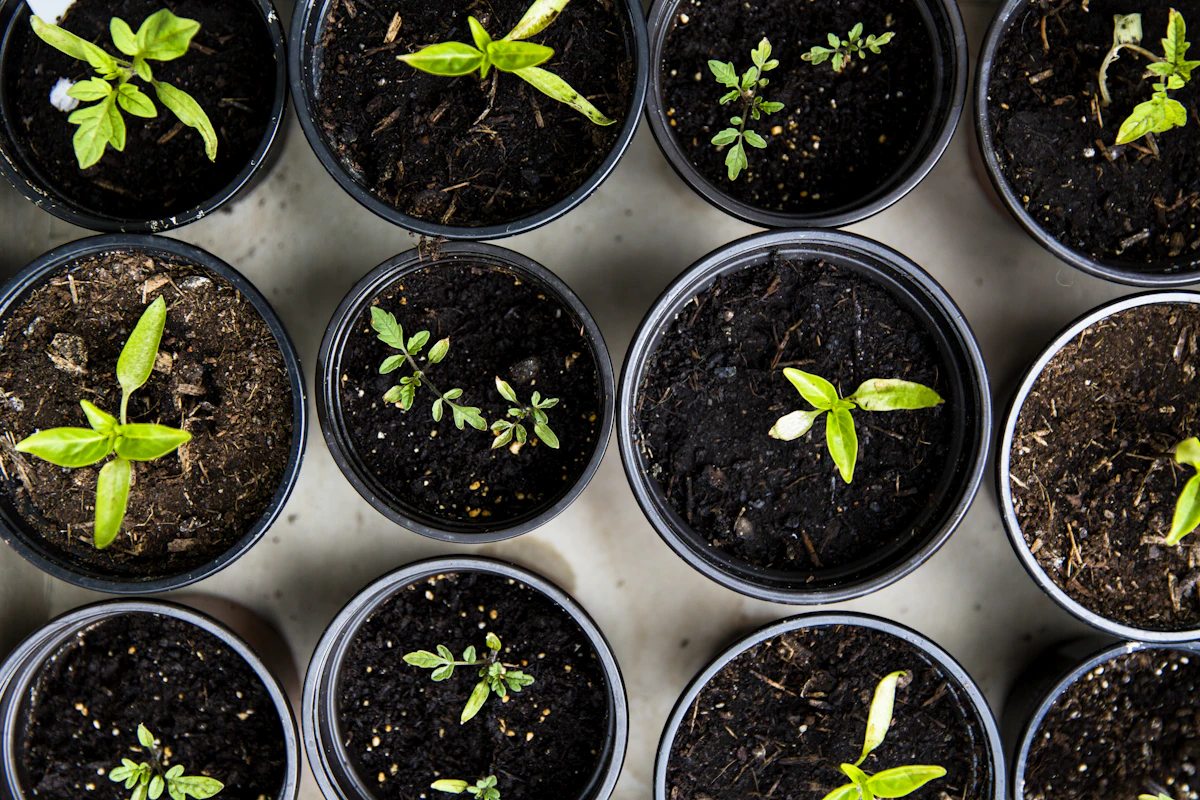
Switching to sustainable horticultural substrates is no longer just an environmental choice—it is an agronomic upgrade. By delivering optimal air-to-water ratios, uniform moisture delivery, and long-lasting porosity, coconut coir solves the compaction and drainage problems that hold back plant growth.
Whether you grow ornamental foliage in living rooms or operate automated commercial greenhouses, adopting properly buffered coir transforms root zone health. Understanding the biological mechanisms behind substrate aeration empowers growers to produce healthier root systems, conserve water, and reduce expensive fertilizer waste.
Ultimately, mastering why cocopeat is good for plants allows you to build resilient root zones, save water, and achieve maximum yields in 2026.

 Arabic
 English
 Indonesian
 Chinese
