إن اكتشاف what is cocopeat used for transforms the way horticulturists, commercial greenhouse operators, and home gardeners approach plant vitality. Agricultural scientists estimate that soilless substrates will make up over 65% of controlled-environment agriculture by 2030, according to benchmark data published by the منظمة الأغذية والزراعة (FAO). Traditional topsoil compacts rapidly, harbors fungal pathogens, and deprives root systems of essential oxygen. Cocopeat solves these persistent issues by offering an eco-friendly, highly aerated growing environment.
Extracted from the fibrous outer husk of the coconut palm (Cocos nucifera), this organic material has rapidly replaced depleting peat bog reserves across the globe. Whether you manage a large-scale vegetable operation or maintain indoor decorative foliage, knowing how to handle this versatile organic horticultural medium lets you maximize moisture retention, nutrient uptake, and root architecture. In this definitive 2026 guide, you will master the practical applications, scientific benefits, hydration techniques, and comparative advantages that make coir the world’s leading soil amendment.
What Is Cocopeat Used For in Modern Agriculture and Horticulture?
What is cocopeat used for? Cocopeat is a natural, fibrous growing medium derived from coconut husks, primarily used for hydroponic growing medium setups, seed germination, potting soil blends, and agricultural soil conditioning. It provides high water retention of up to 10 times its dry weight, excellent aeration, and an optimal pH balance between 5.8 and 6.8.

Horticultural professionals frequently evaluate what is cocopeat used for across diverse industrial and domestic cropping systems. Derived as an abundant agricultural byproduct during coconut fiber extraction, processors wash, grade, dry, and screen coir pith into versatile substrates. Commercial operations rely on its fibrous matrix to maintain high structural integrity while preventing container settling over extended multi-year crop cycles.
Beyond standard gardening, discover the principal industrial and residential sectors driving global demand for coconut coir substrate:
- Commercial Greenhouse Production: High-tech growers cultivate cut flowers, vine crops like tomatoes and cucumbers, and soft berries in standardized coir slabs or open-top poly bags.
- Seed Germination and Rooting: Propagation nurseries use finely sieved coir dust to accelerate embryonic root development while minimizing root tear during transplanting.
- Hydroponic Run-to-Waste Systems: Recirculating and drain-to-waste systems utilize washed coir to balance moisture retention with rapid capillary drainage.
- Heavy Soil Conditioning: Gardeners amend dense native clay or porous sand with cocopeat to stabilize physical soil structure and microbial life.
- Erosion Control and Landscaping: Landscape contractors lay coir geotextiles and pith blankets to hold fragile topsoil on highway embankments and riverbanks.
Hydroponic Cultivation: What Is Cocopeat Used For in Soilless Systems?
Commercial hydroponic facilities consistently prioritize coconut coir substrate over inert substrates such as rockwool or perlite. Research indexed on ScienceDirect confirms that coco coir substrates support high cation exchange capacity (CEC) alongside exceptional air-filled porosity. These natural properties buffer against sudden nutrient deficiencies and irrigation pump failures.
When investigating what is cocopeat used for in precision hydroponics, root zone oxygenation stands out. Cocopeat holds up to 8 to 10 times its dry weight in water while maintaining 15% to 25% air-filled porosity. Consequently, delicate feeder roots absorb dissolved fertilizer solutions rapidly without developing anaerobic root rot caused by oxygen starvation.
What Is Cocopeat Used For in Gardening and Seedling Starter Mixes?
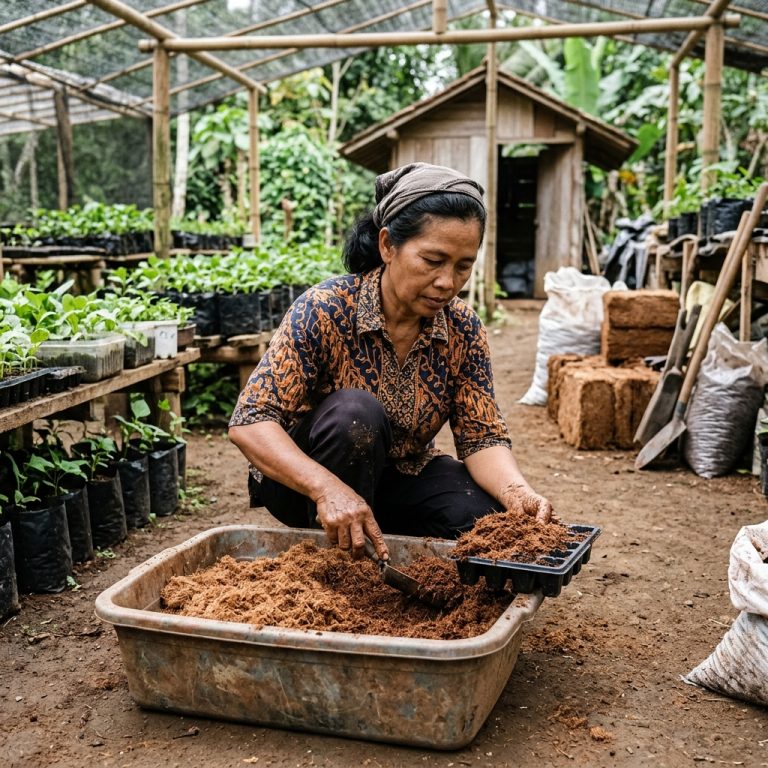
Nursery managers discover what is cocopeat used for when germinating delicate, high-value specialty seeds. Cocopeat possesses naturally low base fertility, allowing propagators to manage electrical conductivity (EC) precisely during delicate seedling emergence. Its soft, uniform texture prevents surface crusting, letting young shoots break through without physical resistance.
Commercial microgreen growers also rely heavily on clean coir mats or loose dust. Because cocopeat undergoes high-temperature industrial drying, it reduces outbreaks of damping-off pathogens like Pythium and Rhizoctonia. The uniform particle size wraps evenly around juvenile roots, promoting uniform water uptake across harvest trays.
Top 7 Proven Benefits of Using Cocopeat Substrate
Before selecting amendments for your farm or landscape, understanding what is cocopeat used for helps justify substrate replacement costs. When compared directly to mineral soils or depleted peat, coconut coir offers seven distinctive biological advantages:
- Massive Water Holding Capacity: Cocopeat stores up to 900% of its dry weight in moisture, cutting irrigation frequency by up to 50% in hot semi-arid climates.
- Superior Air-to-Water Balance: The unique capillary structure delivers oxygen to the rhizosphere continuously, even immediately after saturation.
- Naturally Mild pH Profile: Coir naturally measures between 5.8 and 6.8 on the pH scale, creating the ideal zone for nutrient availability without heavy lime additions.
- Renewable and Sustainable Source: Unlike sphagnum peat harvested from slow-forming wetland ecosystems, coconuts regenerate seasonally on perennial tropical palms.
- High Cation Exchange Capacity (CEC): Ranging between 40 to 100 meq/100g, coir stores and slowly releases potassium, magnesium, and calcium into root zones.
- Fungal and Pathogen Resistance: Natural lignin content inhibits microbial decomposition, keeping the medium structurally viable for up to four consecutive growing seasons.
- Lightweight and Cost-Effective Shipping: Hydraulic compression reduces coir volume into dense bricks, cutting transport emissions and logistical costs significantly before rehydration.

Agricultural operations often integrate other organic resources to balance soil amendments and livestock management. For example, utilizing complementary organic byproducts like كسب جوز الهند (copra meal) for animal nutrition alongside coir substrates allows farms to achieve complete circular resource utilization. Livestock operations also incorporate dense energy supplements such as palm kernel expeller to maintain sustainable farm profitability.
Cocopeat vs. Peat Moss vs. Traditional Soil: The Ultimate Comparison
Growers frequently ask what is cocopeat used for when comparing it against conventional sphagnum peat moss and native topsoil. While native soil provides bulk minerals, it compacts severely and drains unpredictably in container systems. Sphagnum peat moss offers great retention, yet its acidic pH (3.5 to 4.5) requires extensive agricultural limestone treatment before planting.
The comparative table below outlines the primary technical differences between these three major potting and soil media:
| Characteristic | Coconut Cocopeat | طحالب الخث سفاغنوم (Sphagnum Peat Moss) | Topsoil / Native Soil |
|---|---|---|---|
| Natural pH Range | 5.8 – 6.8 (Optimal) | 3.5 – 4.5 (Acidic) | 5.5 – 8.0 (Unpredictable) |
| الاحتفاظ بالماء | 8x – 10x dry weight | 8x – 10x dry weight | 1.5x – 2x dry weight |
| Air Porosity | 15% – 25% | 10% – 15% | 5% – 10% (Compacts) |
| Rehydration Ease | Instant (Hydrophilic) | صعبة (طاردة للماء عندما تجف) | Moderate (Prone to crusting) |
| Ecological Impact | 100% Renewable Byproduct | Depletes Ancient Carbon Sinks | Topsoil Stripping Concerns |
| Lifespan / Decomposition | Slow (3 to 5 years) | Fast (1 to 2 years) | Permanent Mineral Base |
As documented by the الجمعية الملكية للبستنة (RHS), shifting to sustainable alternatives like coir protects vital carbon-sink wetlands while improving potting drainage. Scientific greenhouse guides from Penn State Extension further establish that coir retains physical pore structure significantly longer than peat moss under heavy drip fertigation regimes.
Primary Applications: What Is Cocopeat Used For in Daily Plant Care?

Understanding what is cocopeat used for across specific plant varieties ensures you formulate the correct potting blend. Gardeners cannot simply transplant directly into raw coir without understanding essential physical and nutritional characteristics.
How to Use Cocopeat Blocks for Indoor Plants
Container mixes benefit immensely from balanced potting formulas. For general indoor tropical foliage such as Monsteras and Philodendrons, combine 50% rehydrated cocopeat, 30% coarse perlite or pumice, and 20% worm castings. This structure retains moisture around roots while allowing excess irrigation to drain freely, preventing wet feet.
Indoor plants thrive because coir maintains consistent moisture tension without pulling away from container walls when dry. Unlike peat-based soils that become hydrophobic and shrink into hard cakes, coir accepts water instantly after drying out completely.
Cocopeat vs Peat Moss for Vegetables in Raised Beds
Vegetable growers evaluating cocopeat vs peat moss for vegetables find that coir enhances root growth in warm summer beds. Mixing 30% coir into dense clay soil physically separates clay platelets, boosting hydraulic drainage and aerating root zones. In loose, sandy soils, adding coir creates a moisture reservoir that retains dissolved nutrients during hot weather.
Professional nurseries source high-purity كوكوبيت (ألياف جوز الهند) to ensure optimal root proliferation without introducing soil-borne fungal pathogens. In commercial agricultural operations, managers also balance their biomass management by pairing soil amendments with clean fuel resources like قشور نواة النخيل for heating or clean biochar development.
How to Prepare and Hydrate Cocopeat: Step-by-Step Guide
Raw compressed bricks require thorough coir dust conditioning before planting. Review this step-by-step procedure to prepare clean, balanced substrate for your crops:
- Calculate Volume and Water Requirements: A standard 5-kilogram compressed cocopeat block expands to roughly 65 to 75 liters of loose substrate. Place the block in a clean 100-liter tub or barrel.
- Add Warm Water Gradually: Pour approximately 20 to 25 liters of lukewarm water over the compressed block. Warm water penetrates compressed fibers and dissolves natural lignins faster than cold water.
- Allow Expansion: Let the coir absorb the moisture undisturbed for 15 to 20 minutes. Break apart any remaining compacted core pieces with a hand trowel or garden fork.
- Rinse and Test Electrical Conductivity (EC): Unwashed coir can contain residual sodium and chloride from coastal environments. Flush the expanded coir with clean water until the runoff EC drops below 0.5 mS/cm.
- Buffer with Calcium and Magnesium: Cocopeat carries negative exchange sites naturally filled with sodium and potassium ions. Soak the rinsed coir in a calcium nitrate and magnesium sulfate solution for 12 hours. This releases sodium ions and pre-loads the substrate with plant-ready calcium.
- Squeeze Excess Moisture: Before blending with perlite or compost, squeeze a handful of coir. The material should feel damp like a wrung-out sponge, releasing only a few drops under firm pressure.
Video Guide: Practical demonstration of hydrating, leaching salts, and buffering coconut coir bricks for horticulture.
Common Mistakes When Evaluating What Is Cocopeat Used For
Growers sometimes experience stunted plant growth when using coir for the first time. Understanding what is cocopeat used for also means avoiding common operational pitfalls:
First, never assume unwashed cocopeat is immediately ready for planting. Unbuffered coir binds available calcium and magnesium while releasing excess potassium and sodium into root systems. This imbalance causes interveinal chlorosis and stunted root tips on sensitive fruiting crops like peppers and tomatoes.
Second, remember that cocopeat contains almost zero native macronutrients (nitrogen, phosphorus, and potassium). Unlike rich compost, pure cocopeat acts solely as an anchor medium and moisture sponge. You must supply balanced plant nutrients via liquid organic fertilizers or slow-release granules from day one.
Finally, avoid overwatering simply because the top layer appears light brown. Coir dries from the surface down; the lower root zone frequently stays damp for days after the surface lightens. Always check moisture levels two inches below the surface before applying additional irrigation.
Industrial and Environmental Applications of Coconut Coir

The utility of coconut byproducts extends far beyond horticulture. Discovering what is cocopeat used for in non-agricultural industries illustrates the material’s remarkable physical properties. Its porous microstructure and naturally high surface area make it an exceptional absorbent medium.
Environmental remediation crews deploy coarse coir dust to clean industrial hydrocarbon spills. Cocopeat absorbs up to three times more oil by volume than clay-based absorbents. Furthermore, biological cleanup teams introduce oil-degrading microbes into coir blankets, accelerating in-situ bioremediation of contaminated soil.
Specialty reptile breeders and exotic pet facilities rely on cocopeat as animal bedding. The dust-free, non-toxic substrate maintains terrarium humidity for amphibians while inhibiting unpleasant bacterial odors. In municipal waste treatment, modern biofiltration systems filter foul emissions through moist coir pith, removing hydrogen sulfide and volatile organic compounds naturally.
To master optimal agricultural yields, explore our practical guide on what is cocopeat used for across commercial farming systems.
الأسئلة الشائعة
Can plants grow in 100% cocopeat alone?
Plants can grow in 100% cocopeat if you supply complete hydroponic nutrients containing extra calcium and magnesium. However, most professional growers blend cocopeat with 30% perlite or pumice to ensure long-term root aeration and prevent water saturation in standard container pots.
How long does cocopeat last in the soil?
Cocopeat lasts between 3 to 5 years in garden soil before breaking down structurally. High natural lignin content makes coir far more resistant to microbial decomposition than peat moss. This longevity allows commercial growers to reuse substrate across multiple harvest seasons after washing.
Do I need to wash cocopeat before using it?
Yes, unwashed cocopeat often contains high levels of sodium and chloride salts from coastal processing facilities. Always rinse low-grade coir thoroughly with clean water until electrical conductivity drops below 0.5 mS/cm to prevent chemical salt burn on sensitive feeder roots.
Is cocopeat better than regular potting soil?
Cocopeat provides superior aeration, water retention, and root pathogen resistance compared to heavy topsoil. However, because pure cocopeat contains no natural macronutrients, you must combine it with organic compost or feed balanced liquid fertilizers from the very first day of planting.
Why is buffering cocopeat with calcium necessary?
Cocopeat contains negative cation exchange sites that naturally lock onto calcium and magnesium while releasing sodium and potassium. Pre-buffering saturates these binding sites with calcium nitrate, ensuring your growing plants receive adequate calcium without developing sudden root deficiencies.
Conclusion: Maximize Your Crop Yields with Coconut Coir
Cocopeat continues to transform modern agriculture and horticulture by combining high aeration, water retention, and ecological sustainability. As environmental restrictions limit peatland exploitation, coir pith stands as the most dependable, scalable soilless alternative for growers worldwide.
Mastering the preparation process—especially rehydration, salt washing, and calcium buffering—guarantees that your crops develop extensive, healthy root networks. Incorporating this organic amendment into raised beds, potting blends, or commercial hydroponic gutters safeguards moisture resilience throughout extreme seasonal weather.
By thoroughly mastering what is cocopeat used for, you equip your agricultural or gardening setup to maximize crop productivity sustainably for years to come.