
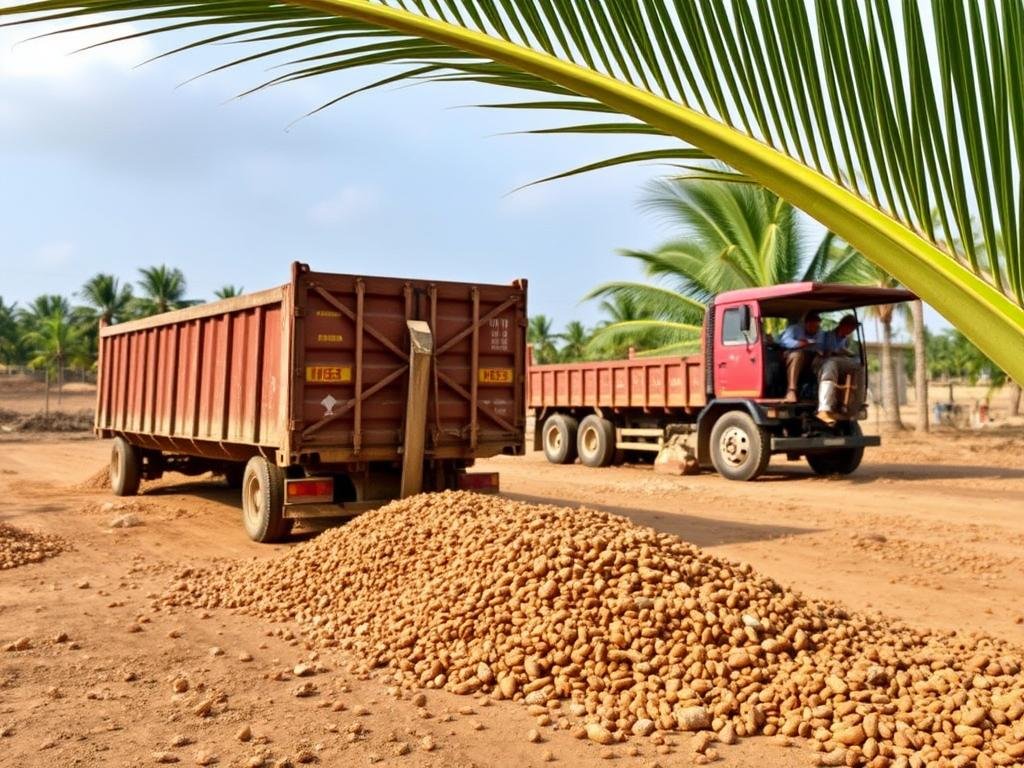
The global shift towards renewable energy has turned biomass into a hot commodity, and with it, the تصدير قشرة نواة النخيل market is booming. Seen as a clean, carbon-neutral fuel, قشرة نواة النخيل (PKS) is in high demand, particularly in countries like Japan, South Korea, and across Europe. This valuable biofuel originates from the processing of the عناقيد ثمار نخيل الزيت, where the نواة النخيل is separated to produce زيت نواة النخيل, leaving behind the shells. However, this lucrative market is fraught with challenges. For exporters, navigating this landscape without a clear strategy can lead to significant financial loss. This guide details the five critical risks you must avoid to ensure your venture is both profitable and sustainable.
The journey of تصدير قشرة نواة النخيل is more complex than simply buying and selling. It involves a deep understanding of international regulations, volatile market dynamics, stringent quality controls, and robust logistics. Getting any of these elements wrong can jeopardize your entire operation. Let’s dive into the specifics.
جدول المحتويات
- 1. Navigating Complex Regulatory and Certification Hurdles
- 2. Extreme Price and Market Volatility
- 3. Critical Flaws in Quality Control and Specification Mismatch
- 4. Supply Chain Disruptions and Logistics Nightmares
- 5. Overlooking Counterparty and Geopolitical Risks
- Conclusion: Your Partner for Success in Palm Kernel Shell Export
1. Navigating Complex Regulatory and Certification Hurdles
One of the biggest pitfalls in the تصدير قشرة نواة النخيل business is underestimating the web of regulations and certifications. Importing countries have strict sustainability criteria to ensure biomass is sourced responsibly. Without the proper paperwork, your shipment could be rejected at the port, leading to catastrophic losses.
Key certifications like the Roundtable on Sustainable Palm Oil (RSPO) and Green Gold Label (GGL) are often non-negotiable. Furthermore, new regulations like the EU Deforestation Regulation (EUDR) are tightening requirements, demanding proof that commodities have not originated from deforested land. Staying compliant requires meticulous record-keeping and a transparent supply chain, which is a significant challenge in the تصدير قشرة نواة النخيل industry.
Failing to keep up with these evolving standards is a surefire way to fail. Proactive compliance isn’t just about avoiding penalties; it’s about building a reputation as a reliable and sustainable supplier in the global تصدير قشرة نواة النخيل سوق.
2. Extreme Price and Market Volatility
The PKS market is anything but stable. Prices are influenced by a cocktail of factors, including the price of زيت النخيل الخام (CPO), the cost of fossil fuels like coal, seasonal weather patterns affecting supply, and fluctuating demand from key industrial buyers. This volatility poses a huge risk for any تصدير قشرة نواة النخيل operation.
Locking in a long-term contract at a fixed price might seem safe, but a sudden market downturn could leave you with unprofitable commitments. Conversely, a price surge could mean you’re selling far below market value. Successful exporters use sophisticated market analysis and build flexible pricing mechanisms into their contracts. For real-time insights, following commodity reports from sources like S&P Global Commodity Insights can provide a competitive edge.
Without a strategy to manage this volatility, your profit margins in the تصدير قشرة نواة النخيل market can evaporate overnight.

3. Critical Flaws in Quality Control and Specification Mismatch
In the world of تصدير قشرة نواة النخيل, quality is king. Your buyer isn’t just purchasing shells; they are purchasing energy. Key specifications include:
- القيمة الحرارية الإجمالية (GCV): The energy content.
- نسبة الرطوبة: Excess moisture means you’re shipping water, and it can lead to mold and degradation.
- محتوى الرماد: The non-combustible residue left after burning.
- Impurities: Foreign materials like stones, sand, and other fibers.
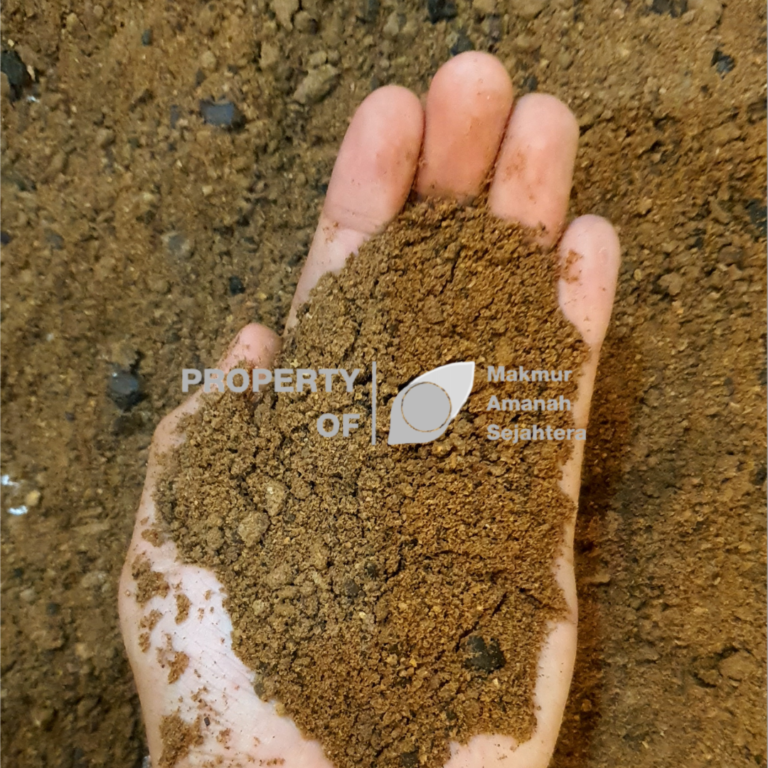
While PKS is used for fuel, a byproduct from the same kernel is معصرة نواة النخيل, which is primarily used for animal feed and has its own set of quality specifications. A common disaster scenario for PKS is when a cargo arrives at its destination and an inspection reveals it doesn’t meet the contracted specifications. The buyer can then legally reject the shipment or demand a steep discount. To prevent this, engaging a reputable third-party inspection company like SGS or Intertek for both loading and unloading port analysis is crucial. Their report provides an unbiased verification of quality, protecting both buyer and seller in the تصدير قشرة نواة النخيل transaction.
4. Supply Chain Disruptions and Logistics Nightmares
Getting PKS from the mill to the port is a major logistical challenge. The supply chain is often fragmented, relying on a network of smallholders and local collectors. This makes consolidation and quality consistency difficult for a successful تصدير قشرة نواة النخيل business.

Inland transportation can be unreliable, storage facilities may be inadequate (exposing shells to rain and increasing moisture), and port congestion can cause costly delays. Every step of this journey is a potential point of failure. A delay in one area can have a domino effect, potentially causing you to miss a shipping deadline and breach your contract. A robust logistics plan and strong local partners are essential to mitigate these risks in the تصدير قشرة نواة النخيل ecosystem.
5. Overlooking Counterparty and Geopolitical Risks
Finally, you must be diligent about who you are doing business with and where you are doing it. Counterparty risk—the risk of your buyer defaulting on payment—is very real. A new exporter might be tempted to accept less secure payment terms like a Telegraphic Transfer (T/T) to close a deal, only to find the buyer refuses to pay once the cargo has shipped. This is a critical concern for any تصدير قشرة نواة النخيل venture.
To protect yourself, insist on secure payment methods. A Letter of Credit (L/C) issued by a reputable bank is the industry standard for large transactions. An L/C is a bank’s guarantee of payment once the terms of the agreement are met, effectively transferring the risk from the buyer to the bank. The غرفة التجارة الدولية provides extensive resources on trade finance instruments like these.
Furthermore, geopolitical instability, trade wars, or sudden policy changes in either the sourcing or destination country can disrupt the entire تصدير قشرة نواة النخيل trade flow. A diversified market strategy can help insulate your business from such shocks.
Conclusion: Your Partner for Success in Palm Kernel Shell Export
ال تصدير قشرة نواة النخيل market offers immense opportunities for those prepared to navigate its complexities. The demand for sustainable biomass is set to grow, but success now and in the future will belong to the exporters who are proactive, diligent, and strategic. By anticipating and mitigating the five critical risks—regulatory hurdles, price volatility, quality control failures, logistical disruptions, and counterparty dangers—you can build a resilient and profitable enterprise.
Ready to navigate the complexities of the تصدير قشرة نواة النخيل market with a trusted partner? Makmur Amanah Sejahtera is your premier supplier of high-quality, certified palm products, including Palm Kernel Shells (PKS), Palm Kernel Expeller, and Crude Palm Oil. We ensure a smooth, transparent, and profitable process from sourcing to delivery. Contact our expert team today on WhatsApp at +6282140002198 or email us at admin@makmuramanah.co.id to secure your sustainable energy supply!
 Arabic
  English
  Indonesian
  Chinese