
As feed costs continue to rise, cattle farmers are constantly searching for affordable yet nutritious alternatives. This leads many to ask, is palm kernel good for cattle? The answer is a resounding yes, but with important considerations. When used correctly, palm kernel cake (PKC) can be a valuable, cost-effective component of a balanced diet for your herd.
جدول المحتويات
- 1. What Exactly is Palm Kernel Cake (PKC)?
- 2. The Nutritional Breakdown: Is Palm Kernel Good for Cattle Nutritionally?
- 3. The 5 Proven Benefits: Why Palm Kernel is Good for Cattle
- 4. Potential Risks and How to Mitigate Them
- 5. How to Safely Feed Palm Kernel to Your Herd: 2025 Best Practices
- 6. الأسئلة الشائعة (FAQ)
What Exactly is Palm Kernel Cake (PKC)?
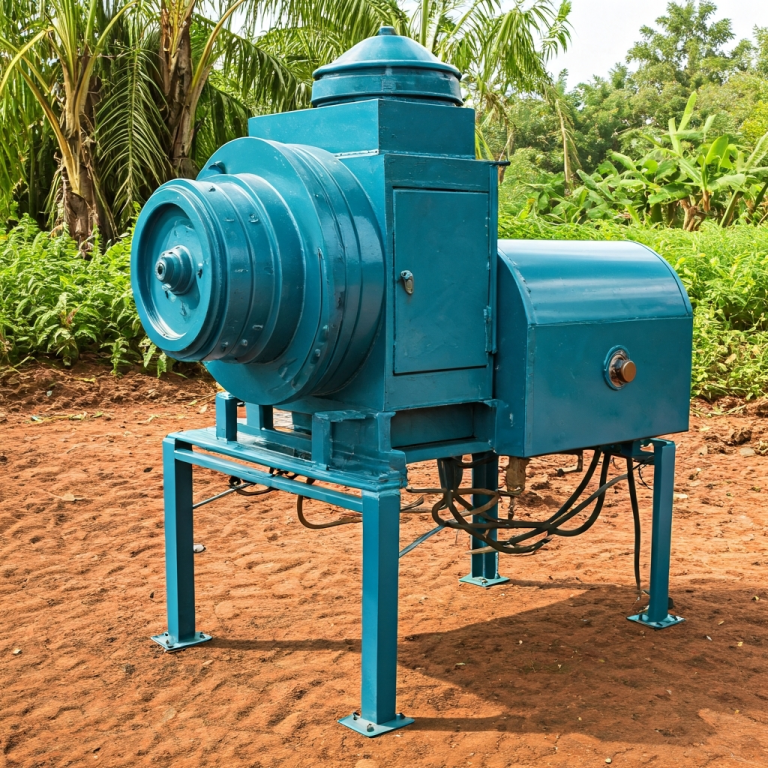
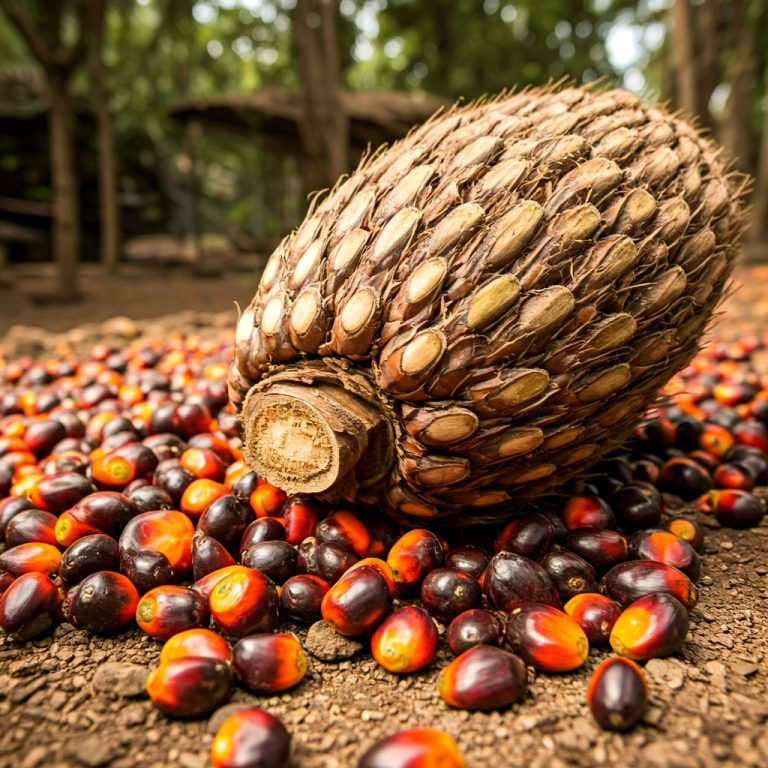
Palm Kernel Cake (PKC), more specifically known as معصرة نواة النخيل (PKE), is a valuable by-product of the palm oil industry. The entire process begins with the عناقيد ثمار نخيل الزيت. From this bunch, mills extract زيت النخيل الخام from the fruit’s flesh. The seed, or نواة النخيل, is then processed to extract زيت نواة النخيل. The remaining fibrous material is pressed into what we know as PKC or PKE. This process also yields other useful materials like the قشرة نواة النخيل, which is used as a biofuel. The abundance of these by-products makes PKE a readily available and often more affordable feed ingredient.
This by-product is a powerhouse of nutrients, but its composition can vary based on the oil extraction method (mechanical or solvent). Understanding this distinction is the first step in determining how beneficial palm kernel is for your cattle and how to incorporate it effectively into their feeding regimen.

The Nutritional Breakdown: Is Palm Kernel Good for Cattle Nutritionally?
To truly understand if palm kernel is good for cattle, we must look at its nutritional content. It is prized for its balance of protein, fiber, and energy, making it a versatile feed ingredient when used correctly.
Here’s a typical nutritional profile, though values can fluctuate. For precise data, always refer to a feed analysis of your specific batch. According to authoritative sources like Feedipedia, PKC contains a moderate amount of protein and high fiber.
| العناصر الغذائية | القيمة المتوسطة (على أساس المادة الجافة) |
|---|---|
| البروتين الخام (CP) | 14-21% |
| الألياف الخام (CF) | 12-20% |
| Fat (Ether Extract) | 5-12% |
| الطاقة القابلة للاستقلاب | 10-12 ميغا جول/كغ |
| الفوسفور | High (around 0.7%) |
The 5 Proven Benefits: Why Palm Kernel is Good for Cattle
Beyond its nutritional table, incorporating PKC offers several tangible advantages for farmers and their herds. These benefits make a strong case for why palm kernel is good for cattle when managed properly.
1. فعالية استثنائية من حيث التكلفة
Perhaps the most significant benefit is its price. PKC is almost always cheaper than traditional protein sources like soybean meal or corn gluten. This allows farmers to lower their overall feed costs without making a major compromise on essential nutrients, directly impacting the farm’s profitability.
2. Valuable Protein and Energy Source
With a crude protein content of 14-21%, PKC effectively supports muscle development, growth in young stock, and maintenance in adult cattle. The residual oil also provides a dense source of energy, helping cattle maintain body condition, especially during periods of high energy demand like late gestation or cold weather.
3. Promotes Healthy Rumen Function
The high fiber content is a double-edged sword, but when balanced, it is highly beneficial for ruminants. This fiber stimulates cud-chewing and saliva production, which helps buffer the rumen and prevent acidosis. A healthy rumen is the foundation of a healthy cow, making the fiber in palm kernel good for cattle digestion.
4. مستدام ومتوفر بسهولة
Using PKC is a form of upcycling. It utilizes a by-product that might otherwise go to waste, contributing to a more sustainable agricultural cycle. Its widespread availability, particularly in Asia and Africa, ensures a consistent supply chain for farmers in those regions.
5. Improves Milk Fat Content
For dairy farmers, certain studies have shown that the type of fat in PKC can positively influence milk fat percentage. Research published in the مجلة علوم الألبان often explores how different feed fats affect milk composition, and PKC is a subject of interest in this area.

Potential Risks and How to Mitigate Them
While the benefits are clear, a responsible farmer must also understand the potential downsides. Addressing these risks is key to confirming that palm kernel is good for your specific cattle operation.
Palatability Issues
PKC has a unique, sometimes gritty texture and taste that some cattle may initially reject. To overcome this, introduce it slowly and mix it with more palatable feeds like molasses, silage, or other grains to improve acceptance.
Mineral Imbalances
PKC is high in phosphorus but low in calcium, sodium, and certain trace minerals like copper. An unbalanced diet high in PKC can lead to mineral deficiencies. It is crucial to supplement with a good mineral mix, especially one with adequate calcium, to counteract this. A university agricultural extension service website is an excellent resource for regional mineral requirements.
Mycotoxin Contamination
Like many stored feeds, PKC is susceptible to mold and mycotoxin contamination if not stored correctly in a dry, cool place. Always source your PKC from a reputable supplier and inspect it for any signs of mold before feeding it to your animals. Poorly stored palm kernel is not good for cattle and can cause serious health issues.
How to Safely Feed Palm Kernel to Your Herd: 2025 Best Practices
To maximize the benefits and minimize risks, follow these proven strategies. The goal is to make palm kernel good for cattle by integrating it into a fully balanced ration.
- Start Low and Go Slow: Begin by including PKC at just 5% of the total feed ration. Gradually increase the amount over two to three weeks, allowing the cattle’s digestive systems to adapt.
- موازنة الحصة الغذائية: Never feed PKC as a sole ingredient. It must be part of a total mixed ration (TMR). For expert help, consult a certified animal nutritionist to formulate a diet that balances PKC with forages, grains, and a mineral pack.
- Recommended Inclusion Rates: For beef cattle, PKC can often comprise up to 30% of the concentrate mix. For dairy cows, a more conservative 15-20% is often recommended to avoid any potential negative effects on milk protein.
- Provide Constant Access to Water: The high fiber content increases water requirements, so ensure clean, fresh water is always available.
الأسئلة الشائعة (FAQ)
How much palm kernel can a cow eat a day?
This depends on the cow’s size, production stage, and the rest of its diet. As a general rule, an adult beef cow can safely consume 2-4 kg of PKC per day as part of a balanced ration. Always consult a nutritionist for precise amounts.
Can palm kernel replace soybean meal?
It can partially replace soybean meal to lower costs. However, it cannot be a 1-to-1 replacement due to differences in protein quality and amino acid profiles. A mix of both often yields the best results.
Is palm kernel good for pregnant cows?
Yes, the energy and protein in palm kernel are good for pregnant cattle, especially during the last trimester when nutrient demands are highest. However, it’s crucial to ensure the diet is balanced with calcium and other essential minerals for proper fetal development.
تقدم شركة ماكمور أمانة سجاهتيرا منتجات نخيل عالية الجودة مثل عصارة نواة النخيل، وقشرة نواة النخيل، وزيت النخيل الخام، وزيت نواة النخيل، وغيرها. يرجى التواصل معنا عبر واتساب على الرقم +6282140002198 أو عبر البريد الإلكتروني على admin@makmuramanah.co.id. In conclusion, the question of “is palm kernel good for cattle?” is met with a confident “yes.” It stands out as a cost-effective, sustainable, and nutritious feed ingredient that can lower operational costs and support herd health. The key to success lies in responsible sourcing, proper storage, and intelligent integration into a well-balanced diet that accounts for its unique nutritional profile. By following these 2025 best practices, you can leverage the power of palm kernel for a healthier herd and a healthier bottom line.هل تبحث عن منتجات النخيل عالية الجودة؟

 Arabic
  English
  Indonesian
  Chinese