
جدول المحتويات
- ما هو زيت النخيل RBD CP6 تحديداً؟
- Key Specifications of CP6 Palm Olein
- 3 Primary Uses and Applications
- CP6 vs. CP8 vs. CP10: What’s the Critical Difference?
- The Production Process: From Fruit to Oil
- مصدرك لمنتجات النخيل عالية الجودة
- Conclusion: Why Choosing the Right Palm Olein Matters
In the vast world of edible oils, few are as globally significant as palm oil. A key derivative, زيت النخيل RBD CP6, stands out as a remarkably versatile and stable cooking oil used in countless food products and kitchens worldwide. But what do the letters and numbers in its name actually mean? And how does it stack up against its siblings, CP8 and CP10?
This comprehensive guide dives deep into everything you need to know about RBD Palm Olein CP6. We’ll explore its technical specifications, uncover its primary uses, and clarify the crucial differences between the various cloud point grades to help you make an informed decision for your needs.
ما هو زيت النخيل RBD CP6 تحديداً؟
Let’s break down the name. “RBD” stands for Refined, Bleached, and Deodorized. This is a standard refining process that neutralizes the oil, removes impurities and pigments, and eliminates any odors or tastes, resulting in a bland, stable, and clear final product.
“Palm Olein” refers to the liquid fraction obtained from palm oil after a process called fractionation. Palm oil is separated into a liquid part (olein) and a solid part (stearin). The olein is clearer and has a lower melting point, making it a preferred liquid cooking oil.
The “CP6” is the most technical part. “CP” stands for Cloud Point, and “6” indicates the temperature in degrees Celsius (6°C) at which the oil starts to become cloudy or solidify. This specification is a vital quality parameter, as it determines the oil’s performance in cooler climates. A lower cloud point like that of زيت النخيل RBD CP6 means it remains liquid at lower temperatures.

Key Specifications of CP6 Palm Olein
Beyond the Cloud Point, several other technical specs define the quality of زيت النخيل RBD CP6. These parameters are crucial for food manufacturers and industrial users to ensure consistency and quality. Adherence to these standards is often verified against international guidelines like the كودكس أليمنتاريوس.
| المعلمة | حدود المواصفات |
|---|---|
| الأحماض الدهنية الحرة (FFA) (على شكل حمض البالمتيك %) | 0.1% كحد أقصى |
| الرطوبة والشوائب (M&I) | 0.1% كحد أقصى |
| قيمة اليود (Wijs) | 56 دقيقة |
| كلاود بوينت | 6 درجات مئوية كحد أقصى |
| اللون (خلية لوفيبوند 5¼ بوصة) | 3 أحمر كحد أقصى |
| نقطة الدخان | 220°C min |
3 Primary Uses and Applications
The unique properties of CP6 palm olein—its high stability, neutral taste, and affordability—make it a preferred choice across various industries.
1. زيت طهي وقلي ممتاز
With a high smoke point (typically above 220°C or 428°F), RBD Palm Olein CP6 is excellent for deep-frying, stir-frying, and general cooking. It resists oxidation and thermal breakdown, which means it lasts longer in fryers and doesn’t impart off-flavors to food, making it a staple in both households and the fast-food industry.
2. صناعة الأغذية
This oil is a foundational ingredient in countless processed foods. It’s used to manufacture trans-fat-free margarine and shortening, providing the necessary texture and mouthfeel. You can also find زيت النخيل RBD CP6 in ice cream, confectionery, baked goods, and instant noodles, where its stability extends shelf life. For more on its role in food, industry bodies like the مجلس زيت النخيل الماليزي (MPOC) offer extensive resources.
3. Industrial Applications
While primarily a food product, palm olein is also used in non-food applications. It serves as a feedstock for producing biofuels (biodiesel), soaps, detergents, and cosmetics. Its chemical properties make it a versatile base for various oleochemicals.

CP6 vs. CP8 vs. CP10: What’s the Critical Difference?
The primary distinction between CP6, CP8, and CP10 lies in their Cloud Point. This single specification dictates their suitability for different climates and applications. The fractionation process is adjusted to achieve these different grades, a topic well-documented in scientific journals on platforms like ساينس دايركت.
| ميزة | زيت النخيل RBD CP6 | زيت النخيل RBD CP8 | زيت النخيل RBD CP10 |
|---|---|---|---|
| كلاود بوينت | 6 درجات مئوية كحد أقصى | 8 درجة مئوية كحد أقصى | 10 درجة مئوية كحد أقصى |
| ملاءمة المناخ | Ideal for temperate and cold climates | مناسب للمناخات المعتدلة وشبه الاستوائية | Best for tropical climates |
| State at Cool Temps | Remains liquid at cooler temperatures | Becomes cloudy quicker than CP6 | Solidifies easily in cool weather |
| الاستخدام الشائع | Premium cooking oil, salad dressings | General purpose cooking oil | Frying oil in hot regions |
باختصار،, زيت النخيل RBD CP6 is the highest quality among the three, often referred to as “super olein.” Its ability to stay clear and liquid at lower temperatures makes it a more reliable, year-round product for consumers and industries in non-tropical regions like Europe and North America.
The Production Process: From Fruit to Oil
The journey to creating high-quality RBD Palm Olein CP6 is a multi-stage process that begins with the palm fruit itself and ends with a highly refined, stable oil.
The Palm Source and Co-Products
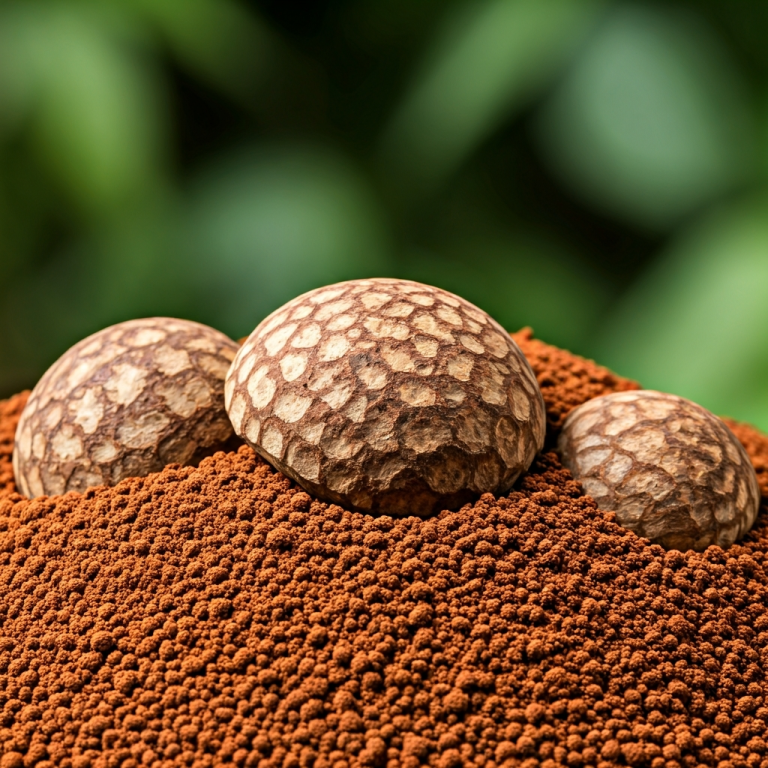
The process starts with harvesting the عناقيد ثمار نخيل الزيت, ، منها زيت النخيل الخام (CPO) is first extracted. The fruit’s nut, or نواة النخيل, is also processed to create valuable co-products. These include زيت نواة النخيل, used in confectionery, and معصرة نواة النخيل, a key ingredient in animal feed. Even the leftover nut shells are utilized as a clean, efficient biofuel known as قشرة نواة النخيل.
The Refining Journey
- التحسين: The extracted CPO is treated to remove free fatty acids, which can cause spoilage.
- التبييض: Activated carbon or bleaching earth is used to absorb pigments and impurities, clarifying the oil.
- مزيل للروائح: Steam is used under high temperature and vacuum to remove volatile compounds, tastes, and odors. This is what gives the final oil its neutral flavor profile. More information on this industrial process can be found on resources like the American Palm Oil Council موقع إلكتروني.
- التجزئة: This is the key step. The refined oil is slowly cooled, causing the higher-melting-point stearin to crystallize. The crystals are then separated from the liquid olein. For CP6, this process is more intensive (often a “double fractionation”) to remove more stearin, thus lowering the cloud point and creating the premium زيت النخيل RBD CP6.
مصدرك لمنتجات النخيل عالية الجودة
هل تبحث عن منتجات النخيل عالية الجودة؟
تقدم شركة ماكمور أمانة سجاهتيرا منتجات نخيل عالية الجودة مثل عصارة نواة النخيل، وقشرة نواة النخيل، وزيت النخيل الخام، وزيت نواة النخيل، وغيرها. يرجى التواصل معنا عبر واتساب على الرقم +6282140002198 أو عبر البريد الإلكتروني على admin@makmuramanah.co.id.
Conclusion: Why Choosing the Right Palm Olein Matters
زيت النخيل RBD CP6 is more than just another cooking oil; it’s a high-spec, versatile ingredient engineered for performance. Its key advantage—a low cloud point of 6°C—makes it the superior choice for temperate and cooler climates, ensuring it remains a free-flowing liquid when other grades might solidify.
Whether for industrial-scale frying or manufacturing high-quality food products, understanding the differences between CP6, CP8, and CP10 is essential. By choosing the right grade, businesses can ensure product consistency, quality, and consumer satisfaction year-round.

 Arabic
  English
  Indonesian
  Chinese