
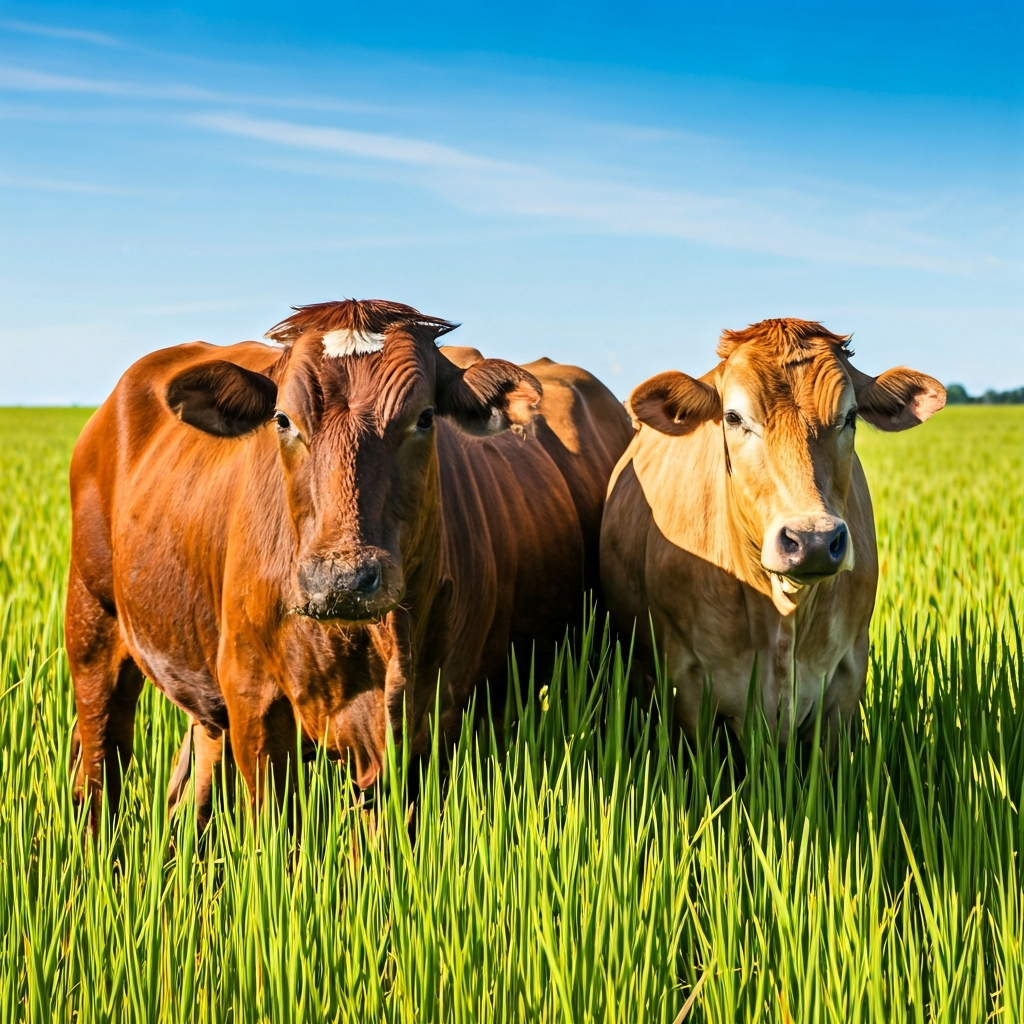
Copra Meal for Animal Feed: The Ultimate 2026 Guide
The strategic use of Copra Meal for Animal Feed is a game-changer for farmers seeking sustainable and cost-effective nutrition. As conventional feed prices continue to soar in 2026, understanding this powerful coconut-derived ingredient is no longer optional—it’s essential for maintaining profitability and herd health.
If you’re struggling with high operational costs and searching for a reliable, high-protein alternative to soybean or palm kernel meal, this guide provides the definitive solution. We will explore the immense benefits and practical applications of this versatile feedstuff.
What is Copra Meal? A Foundational Overview
Copra meal is a highly valuable feed ingredient derived from the coconut palm (كوكوس نوسيفيرا). It is the byproduct that remains after oil has been extracted from the dried coconut kernel, known as copra. This meal is a cornerstone of livestock nutrition in tropical regions and is rapidly gaining global recognition for its unique properties.
Often referred to as “coconut meal,” it serves as an excellent source of protein and energy. According to a study published by the منظمة الأغذية والزراعة (الفاو), copra meal is particularly noted for its high fiber content, which can be beneficial for certain types of livestock, especially ruminants.
From Coconut to Copra: The Production Process
The journey from a fresh coconut to nutritious copra meal involves several key stages. Understanding this process helps in appreciating the quality of the final product.
- Harvesting & De-husking: Mature coconuts are harvested and their outer husks are removed.
- Splitting & Drying: The coconut is split open, and the kernel is dried. This can be done through sun-drying, smoke-drying, or kiln-drying. The resulting dried kernel is “copra.”
- استخلاص الزيت: Processors then extract coconut oil from the copra. This is typically done via a mechanical process using a screw press (expeller) or sometimes through solvent extraction.
- The Final Product: The solid residue left after oil extraction becomes the final copra meal. Its nutritional quality can vary depending on the efficiency of the oil extraction method.
Copra Meal vs. Copra Expellers: What’s the Difference?
The terms “copra meal” and “copra expellers” are often used interchangeably, but there is a technical distinction. Copra meal is a broader term, while copra expellers specifically refer to the meal produced via mechanical screw pressing. This method is less efficient at oil removal than solvent extraction.
Consequently, copra expellers typically contain a higher residual oil content (usually 8-12%) compared to solvent-extracted meal (2-4%). This higher fat level makes it more energy-dense, which can be a significant advantage in formulating high-energy rations.
[Image: High-quality, golden-brown copra meal in a large pile, ready for bagging. Title: High-Quality Copra Meal for Livestock Nutrition. Alt Text: A close-up of fresh Copra Meal for Animal Feed, showcasing its texture and quality.]
Unlocking the Nutritional Powerhouse: A Guide to Copra Meal for Animal Feed
The reason Copra Meal for Animal Feed is so highly valued lies in its dense nutritional profile. While it may not have the highest crude protein levels compared to soybean meal, its unique combination of protein, fiber, and fat makes it an invaluable component in modern feed formulation.
The Macronutrient Profile: Protein, Fiber, and Fat
A typical analysis of copra meal reveals a well-balanced nutritional structure suitable for a variety of animals. While exact values vary based on production methods, here is a general breakdown:
- البروتين الخام: Ranges from 20-25%. This protein is rich in bypass protein, which is particularly beneficial for ruminants as it escapes microbial degradation in the rumen.
- الألياف الخام: High levels, typically 10-16%. This fiber content aids in digestive health and promotes satiety.
- الدهون الخام (الزيت المتبقي): Varies from 2-12%. The higher fat versions provide a concentrated source of energy, contributing to better weight gain and milk production.
Essential Amino Acids and Minerals
While copra meal is not a complete protein source on its own—it is somewhat low in the essential amino acids lysine and methionine—it provides a solid foundation. When balanced with other ingredients, it helps create a complete amino acid profile for optimal growth and performance.
Furthermore, it is a good source of minerals such as phosphorus, potassium, and manganese. These are vital for bone development, metabolic function, and overall animal well-being.
A Note on Anti-Nutritional Factors
It’s important to acknowledge that, like many plant-based protein sources, copra meal contains some anti-nutritional factors (ANFs). The primary ANFs are non-starch polysaccharides (NSPs), which can impact digestion in some animals.
However, the levels are relatively low. Modern processing techniques and the natural function of the rumen in cattle effectively mitigate any negative impact. For monogastric animals like poultry and swine, including appropriate feed enzymes can further enhance digestibility and nutrient uptake, as noted in animal science journals.
The Top 5 Benefits of Integrating Copra Meal into Feed Rations
Incorporating copra meal into your feeding program offers a distinct competitive advantage. Here are the top five benefits that farmers and nutritionists have observed:
- الفعالية من حيث التكلفة: In many regions, copra meal is significantly cheaper than soybean meal or fish meal. This leads to substantial reductions in overall feed costs without compromising quality, a critical factor given volatile global feed markets.
- محتوى طاقة عالٍ: The residual coconut oil provides a readily available, non-carbohydrate energy source. This is excellent for lactating dairy cows and for finishing beef cattle.
- Improved Ruminant Performance: The high bypass protein content means more high-quality protein reaches the small intestine for absorption. This leads to better milk yields and growth rates in cattle, as confirmed by research in the journal of Animal Feed Science and Technology.
- Enhanced Palatability: The pleasant, sweet aroma of coconut makes the feed highly palatable to livestock. This encourages better feed intake, especially in picky eaters or young animals.
- Sustainable and Natural: As a byproduct of the coconut industry, copra meal is a sustainable ingredient that reduces waste. This whole-crop utilization philosophy supports a circular economy, a key consideration for the modern consumer, and is also seen in the use of other byproducts like قشرة نواة النخيل.
[Image: A healthy dairy cow eating from a trough containing a mixed ration. Title: Dairy Cow Benefiting from Copra Meal Feed. Alt Text: A dairy cow enjoying a balanced diet that includes Copra Meal for Animal Feed.]
Copra Meal Applications Across Different Livestock
The versatility of copra meal allows for its use across a wide spectrum of animal species. However, to maximize the benefits of Copra Meal for Animal Feed, proper formulation and inclusion rates are key.
Ruminants (Cattle, Goats, Sheep): A Rumen-Friendly Protein
For ruminants, copra meal is an exceptional feed ingredient. Its protein structure is naturally resistant to breakdown in the rumen, allowing it to “bypass” to the lower gut for more efficient absorption. This makes it an ideal supplement for high-producing dairy cows needing extra protein and energy for milk synthesis. Consider blending it with other sources like أملاح الكالسيوم للأحماض الدهنية لزيت النخيل for a high-energy lactation diet.
Poultry (Broilers and Layers): An Economic Alternative
In poultry diets, copra meal serves as an economic protein source that can partially replace more expensive ingredients. While its high fiber content can limit inclusion rates, it is successfully used at levels of 10-20% of the total ration for both broilers and laying hens. Supplementing the feed with enzymes can improve its digestibility for chickens.
Swine Nutrition: Considerations for Pig Diets
For pigs, copra meal is best used in sow and grower diets. Similar to poultry, the fiber level is the main limiting factor. Recommended inclusion rates are typically between 5-15%. The palatable nature of the meal can be particularly useful in starter feeds to encourage young piglets to eat.
Aquaculture: A Sustainable Feed for Fish
The search for sustainable protein in aquaculture has led many to explore plant-based options. Copra meal is a viable ingredient in the diets of herbivorous and omnivorous fish species like tilapia and carp, reducing the reliance on fishmeal and making fish farming more sustainable.
Copra Meal vs. Other Protein Sources: A Comparative Analysis
To truly understand its value, it’s helpful to compare copra meal against other common protein sources. This comparison allows for more strategic and cost-effective feed formulation.
| يصف | وجبة جوز الهند | وجبة فول الصويا | معصرة نواة النخيل |
|---|---|---|---|
| البروتين الخام | 20-25% | 44-48% | 14-18% |
| الألياف الخام | 10-16% | 5-7% | 16-20% |
| الميزة الرئيسية | High bypass protein & palatability | High protein & excellent amino acid profile | Very cost-effective, high fiber |
| الأفضل لـ | Dairy cattle, beef finishing | Poultry, Swine (Monogastrics) | Ruminant fiber source, dry cows |
This table highlights that while soybean meal is the king of protein, the strategic use of copra meal for animal feed offers a balanced, energy-rich, and often more economical choice, especially for ruminants.
[Image: An infographic comparing the nutritional profiles (protein, fiber, fat) and ideal uses of Copra Meal, Soybean Meal, and Palm Kernel Expeller. Title: Animal Feed Protein Source Comparison. Alt Text: Infographic comparing the benefits of Copra Meal for Animal Feed vs. other protein sources for livestock.]
Practical Guide to Using Copra Meal for Animal Feed
Successfully integrating copra meal requires a practical approach. It’s not just about adding it to the mix; it’s about optimizing the entire ration for health and performance.
Recommended Inclusion Rates for Optimal Results
Adhering to recommended inclusion rates is crucial to avoid any digestive upset and maximize benefits. These are general guidelines; always consult with an animal nutritionist for specific formulations.
- أبقار الألبان: 15-25% of the total diet concentrate.
- أبقار اللحم: Up to 30% in finishing rations.
- Poultry (Layers/Broilers): 10-20% of the total ration.
- الخنازير: 5-15%, with higher rates possible in sow diets.
- Goats and Sheep: 10-20% of the concentrate mix.
Formulating a Balanced Ration with Copra Meal for Animal Feed
When formulating a diet, remember that copra meal is lower in lysine and methionine. Therefore, it’s essential to balance the ration with other ingredients rich in these amino acids.
This can be achieved by using synthetic amino acids or other protein sources. The goal is to leverage the cost-effectiveness of copra meal while ensuring the animal’s nutritional requirements are fully met.
توفير وجبة جوز الهند عالية الجودة
The quality of copra meal can vary significantly. When sourcing, it is vital to choose a reputable supplier that can guarantee a consistent product free from contaminants like aflatoxins, which can arise from improper drying or storage. Look for meal that has a pleasant, toasted coconut smell and a uniform, light-brown color. A reliable source ensures you receive وجبة جوز الهند عالية الجودة that delivers results.
[Image: A gloved hand inspecting a sample of copra meal for quality control. Title: Quality Control of Copra Meal. Alt Text: A quality inspection of copra meal to ensure it meets standards for animal feed.]
مكمور أمانة سجيتيرا نُقدّم منتجات نخيل عالية الجودة مثل مُستخلص نواة النخيل، وقشور نواة النخيل، وزيت النخيل الخام، وزيت نواة النخيل، وغيرها. يُرجى التواصل معنا على واتساب +6282140002198 أو راسلنا عبر البريد الإلكتروني على admin@makmuramanah.co.id.
[Video: An embedded YouTube video titled “How to Mix a Balanced Cattle Ration Using Copra Meal”. The video would feature an animal nutritionist demonstrating the step-by-step process of measuring and mixing copra meal with other ingredients like silage and grains.]
الأسئلة الشائعة (FAQs)
Is copra meal good for chickens?
Yes, copra meal is a good and economical protein source for chickens when used at appropriate levels (10-20%). Its effectiveness can be enhanced by using feed enzymes to help break down its high fiber content, improving nutrient absorption and overall performance for the birds.
What is the main nutritional benefit of copra meal?
The main nutritional benefit of copra meal is its unique combination of moderate protein (20-25%) with high levels of digestible fiber and energy-rich residual oil. For ruminants, its high bypass protein content is a significant advantage for milk and meat production.
How much copra meal can be fed to cattle?
Dairy and beef cattle can efficiently utilize copra meal at inclusion rates of 15-25% and up to 30% of the concentrate ration, respectively. Its high palatability often encourages feed intake, and its energy content supports high production demands and growth.
Can copra meal completely replace soybean meal?
Copra meal cannot completely replace soybean meal in most diets, especially for monogastric animals like pigs and poultry. This is due to its lower protein content and less favorable amino acid profile (lower in lysine). However, it is an excellent partial substitute to reduce costs.
What are the signs of poor-quality copra meal?
Look for a dark, burnt, or moldy appearance and a sour or musty smell. Clumps signal high moisture, which can lead to dangerous aflatoxin contamination. High-quality meal should have a pleasant, uniform light-brown color and a toasted coconut aroma, free of any off-smells.
Conclusion: The Future of Feed is Sustainable
In the competitive landscape of modern agriculture, every decision impacts the bottom line. Integrating a high-performance, cost-effective ingredient like copra meal is crucial for success. Its benefits—from a robust nutritional profile to excellent palatability—make it a standout choice.
By making the switch or increasing its inclusion in your rations, you are not just optimizing your feed costs; you are investing in a sustainable and reliable nutritional strategy. The powerful advantages offered by Copra Meal for Animal Feed make it an indispensable tool for any forward-thinking farmer aiming for peak performance and profitability in 2026 and beyond.
 Arabic
  English
  Indonesian
  Chinese