
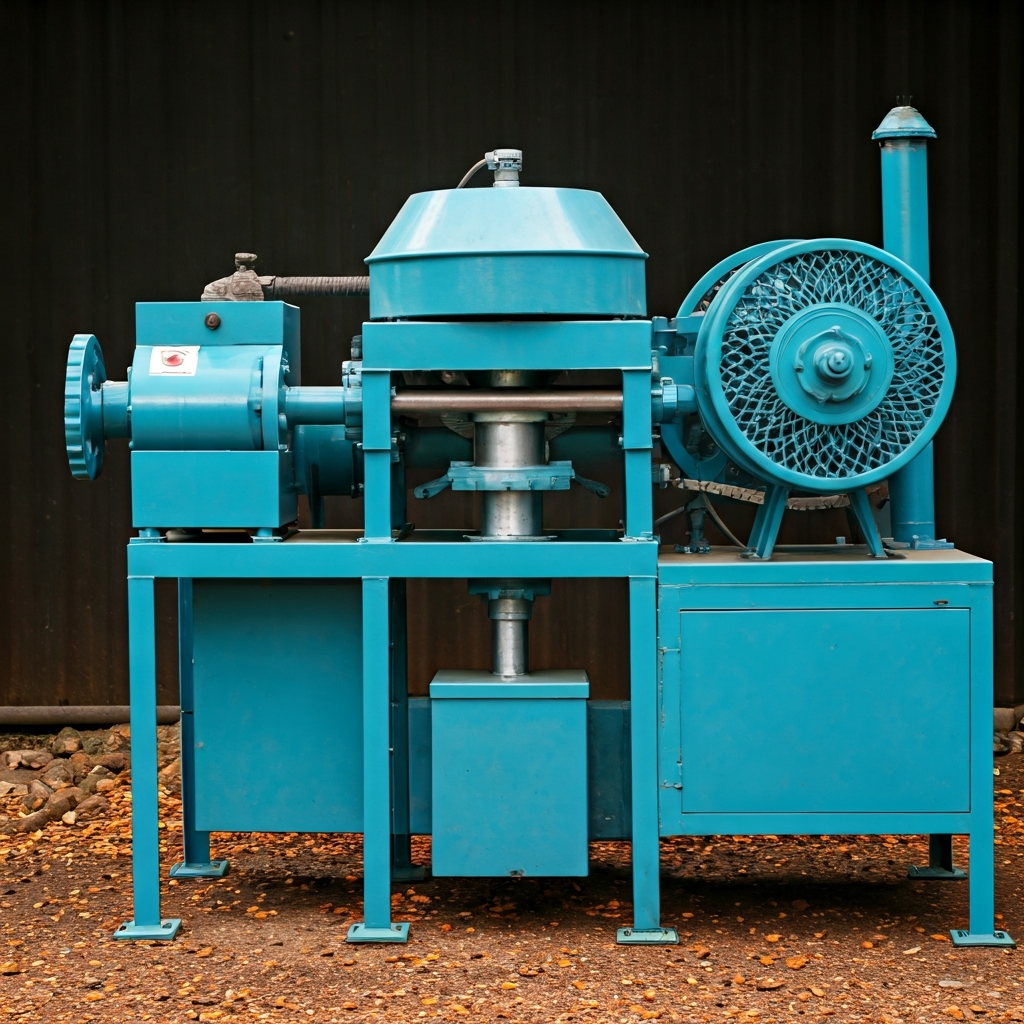
Palm Kernel Expeller (PKE): The Ultimate Guide to Uses, Price, and Specifications
Palm Kernel Expeller (PKE) is one of the most critical and cost-effective animal feed ingredients available in the global market for 2026. As feed prices continue to fluctuate, understanding the value and application of PKE is no longer just an option—it’s a strategic necessity for farmers and livestock managers aiming for profitability and sustainability.
This guide provides the definitive answers you’ve been searching for about this powerful feed ingredient.
The core challenge for any agricultural operation is balancing nutritional requirements with input costs. Traditional feed sources like soybean meal and corn are subject to intense price volatility, making budget forecasting difficult. This is where PKE shines. As a by-product of the palm oil extraction process, it offers a consistent, affordable, and nutrient-rich alternative.
According to a report on the global compound feed market, the industry is constantly seeking sustainable and economical ingredients, positioning Palm Kernel Expeller as a key player for years to come.
What Exactly is Palm Kernel Expeller?
Palm Kernel Expeller is a high-energy, medium-protein feed ingredient derived from the kernel of the palm fruit (Elaeis guineensis). It is the solid fraction that remains after the oil has been mechanically extracted from the palm kernel. It is often referred to as Palm Kernel Cake, but it’s crucial not to confuse it with solvent-extracted Palm Kernel Meal, which has a lower fat and energy content.
This product is a cornerstone of the compound feed industry, especially in ruminant diets. Its high fiber and residual oil content make it an excellent source of slow-release energy. Feed formulation experts have observed first-hand how incorporating PKE optimizes herd health and reduces dependency on more expensive grains.
The Production Process: From Fruit to Feed
Understanding how Palm Kernel Expeller is made reveals why it’s such a valuable commodity. The entire production process is a model of efficiency and sustainability, ensuring no part of the palm fruit goes to waste.
- Harvesting & Sterilization: Fresh fruit bunches are harvested and sterilized with steam to halt enzymatic activity that can degrade oil quality.
- Threshing & Pressing: The fruit is separated from the bunch, and the outer pulp is pressed to extract Crude Palm Oil (CPO).
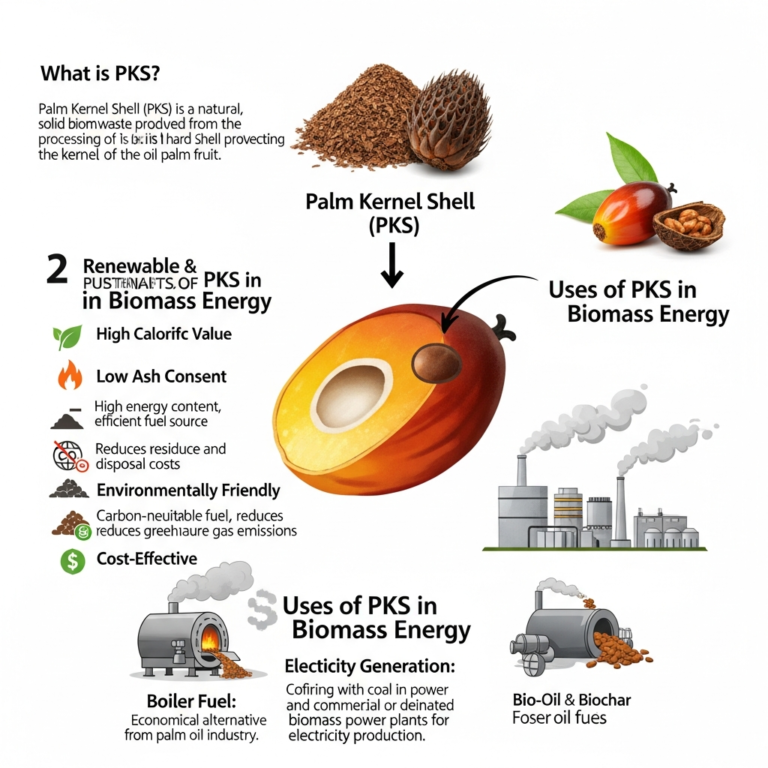
- Nut Cracking: The remaining nuts are dried and cracked to separate the kernel from the shell. The Palm Kernel Shell is itself a valuable biofuel.
- Oil Extraction: The kernels are crushed and put through a mechanical screw press to extract Palm Kernel Oil.
- The Result: The solid, protein-rich fiber that is left behind is the Palm Kernel Expeller. It’s then dried to the correct moisture level and prepared for shipment.
[Video Embed Suggestion: A short, animated video showing the PKE production process from palm fruit harvesting to the final feed ingredient.]
PKE vs. Palm Kernel Meal (PKM): A Key Distinction
While the terms are often used interchangeably, there is a technical difference between PKE and PKM. This distinction is critical for nutritionists and feed buyers to understand for proper diet formulation.
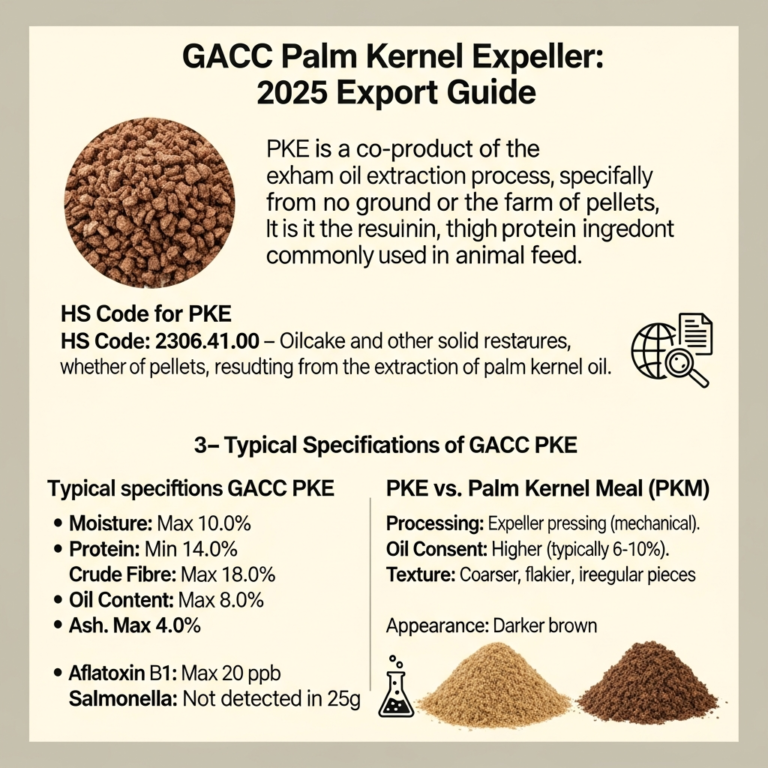
- Palm Kernel Expeller (PKE): Produced via mechanical extraction (screw pressing). It retains a higher residual oil content (typically 6-10%), making it more energy-dense.
- Palm Kernel Meal (PKM): Produced via solvent extraction (using hexane). This method removes more oil, resulting in a lower fat content (1-3%) and a slightly higher protein percentage.
For most applications, especially for ruminants, the higher energy value found in PKE is more desirable. Our focus is on providing high-quality, mechanically pressed Palm Kernel Expeller for optimal animal performance.
Core Specifications of High-Quality Palm Kernel Expeller
Not all PKE is created equal. Quality is determined by a set of key specifications that directly impact its nutritional value, digestibility, and palatability. As a buyer, you must demand a Certificate of Analysis to verify these parameters. Sourcing from a trusted supplier like Makmur Amanah Sejahtera ensures you receive a product that meets international standards.
Here is a comparison of typical specifications for different grades of Palm Kernel Expeller:
| Parameter | High Grade PKE | Standard Grade PKE |
|---|---|---|
| Crude Protein | 15-17% | 13-15% |
| Crude Fat (Oil) | 8-10% | 6-8% |
| Crude Fibre | 16-18% | 18-20% |
| Moisture | < 10% | < 12% |
| Ash & Shell | < 5% | < 7% |
Understanding Protein and Energy Content
While PKE’s crude protein level (15-17%) is lower than soybean meal (44-48%), its value lies in the powerful combination of protein and high digestible fiber. This makes it an ideal ingredient for ruminants, whose digestive systems are uniquely designed to ferment fiber into energy. Furthermore, the residual oil provides a concentrated source of calories, supporting milk production in dairy cows and weight gain in beef cattle.
Why Low Shell Content Matters in Palm Kernel Expeller
A low shell and ash content is a primary indicator of high-quality Palm Kernel Expeller. Excessive shell fragments increase the indigestible fiber component and can significantly reduce palatability. A reputable supplier uses efficient cracking and separation techniques to minimize this contamination, ensuring you pay for nutrition, not filler. Always check the “Ash” and “Crude Fibre” values on the specification sheet.
Top 5 Uses of Palm Kernel Expeller in 2026
The versatility of Palm Kernel Expeller is one of its greatest strengths. It’s not just a single-species solution; it’s a foundational ingredient across multiple sectors of agriculture and energy production.
- Ruminant Feed (Cattle, Goats, Sheep): This is the largest application. PKE is an excellent forage extender and a core component of Total Mixed Rations (TMR). Its high fiber content promotes healthy rumen function, and as noted in research from the Journal of Dairy Science, it can be included at rates of up to 50% in dairy concentrate feeds. For enhanced energy, it pairs well with products like Calcium Salts of Palm Oil Fatty Acids.
- Swine and Poultry Diets: While its high fiber can limit inclusion rates for monogastric animals, PKE is still used effectively in smaller percentages (5-10%). It serves as a cost-effective source of protein and energy, especially in feed for sows and finishing pigs.
- Aquaculture Feeds: PKE is increasingly used in feed for herbivorous fish species like tilapia and carp. Research published in journals like Aquaculture has shown its potential as a sustainable alternative to fishmeal.
- Biofuel and Biomass: Due to its high calorific value, PKE is an effective biomass fuel for industrial boilers. It burns cleaner than coal and is considered a renewable energy source, often used alongside Palm Kernel Shell.
- Fertilizer Production: The organic matter and mineral content in PKE make it a useful component in manufacturing organic compound fertilizers. This contributes to a circular economy, much like other sustainable palm-based products such as Cocopeat.
Analyzing the Palm Kernel Expeller Price Dynamics
The price of PKE is a major draw for buyers. It consistently trades at a significant discount to other protein sources like soybean meal (SBM). Understanding the factors that drive its price is key to making timely purchasing decisions for 2026.
Key Factors Influencing PKE Prices
- Crude Palm Oil (CPO) Prices: As a by-product, Palm Kernel Expeller supply is directly tied to CPO production. Higher CPO prices incentivize more production, which can increase the supply of PKE and moderate its price.
- Global Weather Patterns: El Niño and La Niña can significantly impact palm fruit yields in Indonesia and Malaysia, the world’s top producers, thus affecting supply.
- Demand from Key Importers: Demand from Europe, New Zealand, and China plays a massive role. New Zealand, for instance, is one of the largest importers of PKE for its dairy industry, as noted by the New Zealand Ministry for Primary Industries.
- Shipping and Freight Costs: As a bulk commodity, global logistics costs can significantly impact the final landed price for importers.
PKE vs. Competing Feed Ingredients: 2026 Cost Analysis
To illustrate its economic advantage, let’s compare PKE to two other common feed ingredients. Prices are illustrative for 2026 and will vary by region and season.
| Ingredient | Avg. Protein | Avg. Energy (ME) | Estimated 2026 Price/Ton |
|---|---|---|---|
| Palm Kernel Expeller | 16% | 11.5 MJ/kg | $180 – $250 |
| Soybean Meal | 46% | 12.5 MJ/kg | $450 – $550 |
| Copra Meal | 21% | 10.5 MJ/kg | $250 – $320 |
As the table clearly shows, PKE offers an unbeatable combination of energy and protein for its price point. While SBM has higher protein, its cost per ton is often more than double, making Palm Kernel Expeller a powerful tool for reducing feed costs by up to 30% or more.
Ready to Secure Your High-Quality Feed Supply?
Makmur Amanah Sejahtera provides high-quality palm products such as Palm Kernel Expeller, Palm Kernel Shell, Crude Palm Oil, Palm Kernel Oil, etc. Kindly contact us at WhatsApp +6282140002198 or email us at admin@makmuramanah.co.id.
Frequently Asked Questions (FAQs) about Palm Kernel Expeller
What is Palm Kernel Expeller primarily used for?
Its primary use is as a cost-effective ingredient in animal feed, especially for ruminants like dairy cattle, beef cattle, and goats. Its high fiber and energy content make it an excellent component of their daily diet, often comprising 20-30% of the feed mixture.
Is PKE a good source of protein for cattle?
Yes, it is a good source of medium-level protein (15-17%). While not as high as soybean meal, its protein is highly effective for cattle when combined with its rich energy and digestible fiber content, supporting both milk production and weight gain efficiently and affordably.
What is the difference between PKE and palm kernel meal?
The main difference is the extraction method. PKE is made using a mechanical press, which leaves more oil (6-10%). Palm kernel meal (PKM) uses a solvent process, resulting in less oil (1-3%). PKE’s higher fat content provides more energy, making it preferable for many feed applications.
How does the price of Palm Kernel Expeller compare to soybean meal?
Palm Kernel Expeller is significantly more affordable. Typically, its price per ton is less than half that of soybean meal. This major cost difference allows farmers to dramatically reduce feed expenses while maintaining excellent nutritional value for their livestock.
Where can I buy high-quality PKE?
You can purchase high-quality PKE from established commodity suppliers specializing in palm products. It is crucial to choose a supplier like Makmur Amanah Sejahtera that provides a Certificate of Analysis to guarantee protein, fat, moisture, and low shell content.
Conclusion: Your Strategic Advantage in 2026
In conclusion, Palm Kernel Expeller stands out as a premier ingredient for any modern agricultural or biomass operation. Its exceptional cost-effectiveness, high nutritional value for ruminants, and sustainable origins make it a strategic tool for managing costs without compromising on quality. From dairy farms to biofuel plants, the applications are vast and economically compelling.
By understanding the key specifications, market drivers, and proper applications, you can leverage PKE to its full potential. As you plan for 2026 and beyond, integrating high-quality Palm Kernel Expeller into your supply chain is not just a smart move—it’s your competitive edge in a challenging global market.
 English
  Indonesian
  Chinese
  Arabic