
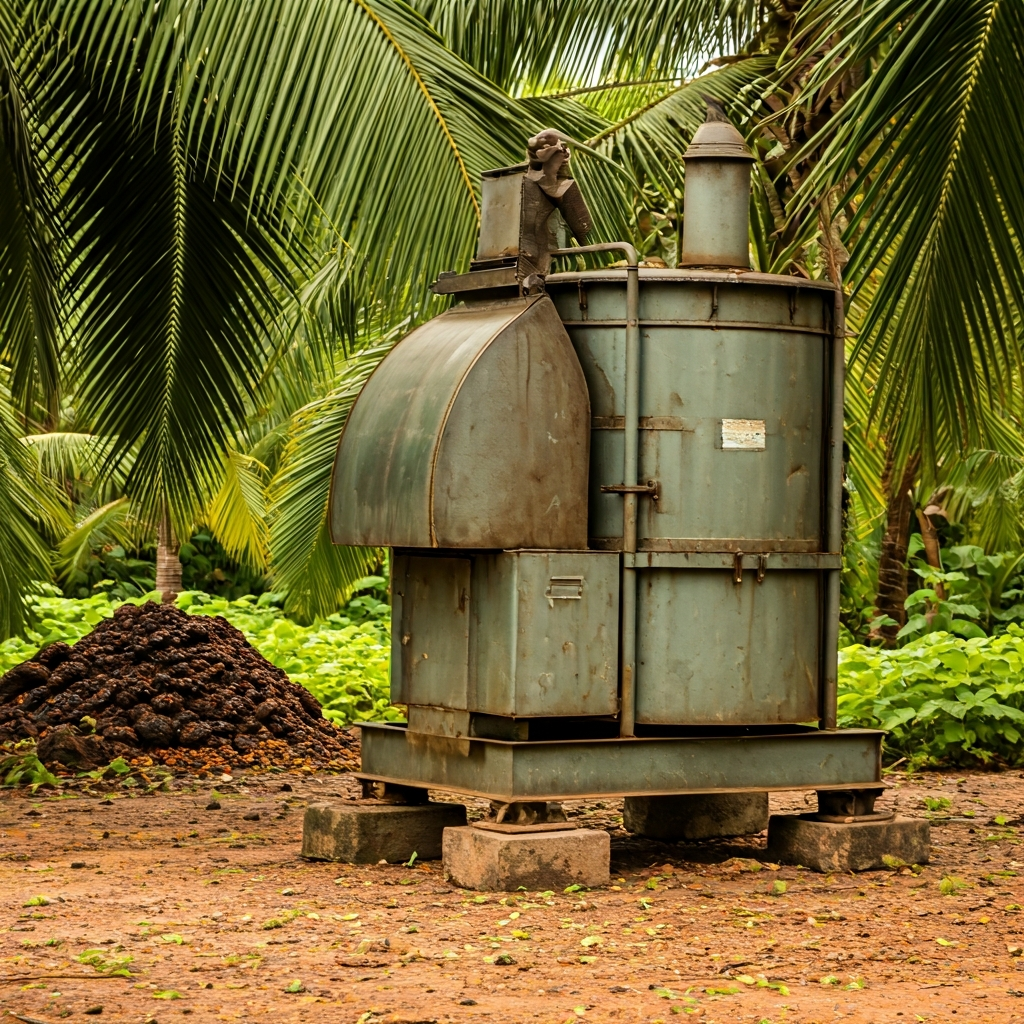
Palm Kernel Expeller: The Ultimate Guide to Uses, Benefits & Specs
Palm Kernel Expeller is a powerhouse ingredient revolutionizing animal feed, but are you using it to its full potential? In today’s market, fluctuating grain prices demand sustainable feedstuffs. Integrating high-value by-products like PKE is no longer just an option—it’s a strategic necessity for boosting profit and ensuring herd health.
With over 15 years in agricultural commodities, we’ve seen how quality PKE transforms feeding programs. This definitive 2026 guide breaks down Palm Kernel Expeller, giving you the expert insights to make smart purchases and optimize your livestock nutrition.
What Exactly is Palm Kernel Expeller (PKE)?
Palm Kernel Expeller (PKE) is a high-nutrient feed ingredient derived from the palm oil industry. It is the solid residue remaining after the mechanical extraction of oil from the kernel of the oil palm fruit (Elaeis guineensis). This mechanical process, known as expeller pressing, is what makes PKE unique.
Unlike solvent-extracted meals, the expeller process leaves a higher residual oil content, typically 8-12%. This makes PKE a valuable energy source. Its dense composition of fiber and protein makes it a cornerstone in feed rations for ruminants like cattle, sheep, and goats.
[Image: Close-up shot of light brown, granular Palm Kernel Expeller, showing its texture. Alt: A pile of high-quality Palm Kernel Expeller ready for animal feed. Title: Palm Kernel Expeller Texture and Quality.]
[Video Embed: A short, animated video showing the process of mechanical expeller pressing, from palm kernel to the final PKE product. Title: How Palm Kernel Expeller is Made.]
Palm Kernel Expeller vs. Palm Kernel Meal: A Key Distinction
While people often use the terms interchangeably, a technical difference exists between PKE and Palm Kernel Meal (PKM). The extraction method is the key differentiator. Mechanical pressing produces Palm Kernel Expeller. In contrast, solvent extraction, a chemical process, produces PKM, which has a lower residual oil content.
For feed formulation, this means PKE offers higher energy value due to its fat content. This makes it a preferred choice for nutritionists aiming to boost caloric intake in livestock diets. Always verify the extraction method with your supplier to get the right product for your needs.
The Nutritional Profile of Palm Kernel Expeller
Understanding the nutritional composition of PKE is fundamental to using it effectively. While exact values vary by origin and processing, high-quality PKE offers a balanced profile of protein, fiber, and energy. Nutritionists recognize it as a “medium-grade” protein source. It perfectly fills the gap between high-protein meals like soybean and lower-protein roughages.
Furthermore, its high phosphorus-to-calcium ratio is a key trait. This often requires supplementation with calcium sources, like limestone, in final feed rations to achieve a balanced diet. This is standard practice in professional feed formulation. For instance, our Calcium Salts of Palm Oil Fatty Acids are designed to complement such ingredients perfectly.
How PKE Compares to Other Feed Ingredients
To appreciate its value, it’s helpful to compare PKE to other popular feedstuffs. The table below offers a typical analysis. It clearly shows how Palm Kernel Expeller fits into a diversified feed strategy.
| Nutrient | Palm Kernel Expeller (PKE) | Soybean Meal | Copra Meal |
|---|---|---|---|
| Crude Protein | 14-18% | 44-48% | 20-24% |
| Crude Fiber | 16-20% | 5-7% | 10-14% |
| Crude Fat/Oil | 8-12% | 1-2% | 6-10% |
| Primary Use | Ruminant Fiber/Energy | High-Protein Source | Ruminant Protein/Energy |
Source: Data compiled from industry analyses and Penn State Extension agricultural research. Values are typical and may vary.
[Image: A large, clean agricultural feed trough filled with a mixed ration containing visible granules of Palm Kernel Expeller. Alt: A mixed animal feed ration featuring Palm Kernel Expeller. Title: Mixed TMR Feed with Palm Kernel Expeller.]
Top 7 Benefits of Using Palm Kernel Expeller in Feed
Integrating Palm Kernel Expeller into your feeding program offers many advantages that impact both your bottom line and your operation’s sustainability.
- Incredible Cost-Effectiveness: PKE is consistently more affordable than sources like soybean meal. This allows for significant cost savings in feed formulation without sacrificing quality.
- High Digestible Fiber: The high fiber content is highly beneficial for ruminants. It promotes healthy rumen function and acts as a prebiotic, supporting a robust gut microbiome.
- Sustainable and Eco-Friendly: As a by-product, PKE utilizes a resource that might otherwise go to waste. Its use improves the sustainability of the palm oil industry and reduces the environmental footprint of livestock farming.
- Boosts Milk Butterfat: The unique fiber and residual fat in PKE can increase butterfat content in dairy cattle milk—a key metric for milk payment. Research in the Journal of Dairy Science supports this finding.
- Excellent Pellet Binder: PKE’s physical properties make it an effective binding agent in pelletized feeds. This improves pellet durability and reduces on-farm waste.
- Reduces Market Volatility: Diversifying feed ingredients to include Palm Kernel Expeller reduces your dependence on corn and soy, which have notoriously volatile prices. PKE offers a more stable price point.
- Consistent Year-Round Supply: Farmers harvest palm fruit throughout the year. This ensures a reliable and consistent supply of PKE for uninterrupted feed production.
Primary Uses of Palm Kernel Expeller Across Livestock
The versatility of Palm Kernel Expeller makes it a valuable asset in various animal diets. Its primary application is for ruminants due to their unique ability to digest high-fiber materials.
For Dairy & Beef Cattle
PKE is a perfect fit for dairy and beef cattle. In dairy rations, farmers prize it for promoting milk fat synthesis. For beef cattle, it serves as an excellent, cost-effective forage extender and energy source that promotes steady weight gain. An inclusion rate of 20-30% in the total diet is common, but this can go higher depending on other feed components.
For Poultry and Swine
Due to its high fiber, PKE is used more strategically in monogastric diets. High inclusion levels can hinder digestibility in poultry and swine. However, at lower levels (typically 5-10%), it can be a cost-effective component, especially when paired with feed enzymes that help break down the fiber.
For Goats, Sheep, and Aquaculture
Goats and sheep, as ruminants, benefit from PKE just like cattle. It provides a reliable source of fiber and energy. More recently, research has explored its use in aquaculture feeds for certain fish species, further expanding its utility in the global feed industry.
Sustainability and the Circular Economy
Using Palm Kernel Expeller is a powerful example of the circular economy in action. By converting a by-product from one industry into a valuable input for another, we reduce waste and create a more efficient food system. This practice aligns with global sustainability goals, such as those outlined by the United Nations on Responsible Consumption and Production.
This commitment to upcycling extends to other palm-based by-products as well. Materials like Palm Kernel Shell are used for biofuel, and even the fibrous growing media like Cocopeat contribute to a more sustainable agricultural ecosystem. Choosing PKE is a vote for a more resourceful and less wasteful future.
Critical Specifications for Sourcing High-Quality PKE
Not all PKE is created equal. To get a product that is safe and effective, source from a reputable supplier who adheres to strict quality control. When you purchase our Palm Kernel Expeller, you are guaranteed a product that meets these vital specifications.
- Moisture Content: Must be below 12% to prevent mold and ensure storage stability.
- Crude Protein: Quality PKE has a protein content between 14% and 18%.
- Crude Fiber: Generally falls within 16-20%, ideal for ruminant digestion.
- Crude Fat/Oil: Look for a range of 8-12%, which indicates proper mechanical expeller processing.
- Aflatoxin & Contaminants: Must be tested and certified to be below internationally accepted limits for animal feed safety. Consult resources like the Food and Agriculture Organization (FAO) for standards.
- Physical Appearance: Should have a light brown to golden brown color and a fresh, nutty smell. A dark or burnt appearance can indicate overheating during processing, which damages the protein.
[Image: Infographic concept titled “The PKE Quality Checklist”. It features icons for Moisture (water drop), Protein (P symbol), Fiber (wheat sheaf), and Safety (shield with a checkmark), each with their ideal percentage or a checkmark. Alt: An infographic detailing the quality specifications for premium Palm Kernel Expeller. Title: Quality Checklist for Palm Kernel Expeller Sourcing.]
Makmur Amanah Sejahtera provides high-quality palm products such as Palm Kernel Expeller, Palm Kernel Shell, Crude Palm Oil, Palm Kernel Oil, etc. Kindly contact us at WhatsApp +6282140002198 or email us at admin@makmuramanah.co.id.
Frequently Asked Questions (FAQ)
What is the main use of Palm Kernel Expeller?
The primary use of Palm Kernel Expeller is as an ingredient in animal feed, especially for ruminants like cattle. Its high fiber and medium protein/energy content make it an excellent, cost-effective component for promoting rumen health and productive performance.
Is PKE the same as palm kernel cake?
Yes, the terms Palm Kernel Expeller (PKE) and Palm Kernel Cake (PKC) are often used interchangeably. Both refer to the solid residue left after oil extraction from palm kernels. The term “expeller” specifically denotes mechanical screw-press extraction.
What is the ideal inclusion rate of PKE for dairy cows?
For dairy cows, a typical inclusion rate for Palm Kernel Expeller is between 20% and 30% of the total diet concentrate. A nutritionist can adjust this based on the quality of other forages and the specific milk production goals for the herd.
How does Palm Kernel Expeller affect milk production?
Palm Kernel Expeller positively affects milk production mainly by increasing its butterfat content. Its specific fiber and fat composition provides the necessary precursors for the synthesis of milk fat in the udder, a highly desirable trait for dairy farmers.
Why is the color of PKE important?
PKE’s color is a key quality indicator. A light, golden-brown color suggests it was processed correctly at an optimal temperature. A dark or burnt color can indicate overheating, which denatures protein and reduces its nutritional value for the animal.
Conclusion: The Smart Choice for Modern Feed Programs
In the complex landscape of animal nutrition in 2026, efficiency, sustainability, and profitability are paramount. Palm Kernel Expeller stands out as a powerful ingredient that addresses all three. Its balanced nutritional profile, cost benefits, and strong sustainability credentials make it indispensable for any forward-thinking farm.
By understanding its properties, sourcing for quality, and integrating it strategically, you can unlock a new level of performance and resilience. As a reliable, energy-rich feedstuff, Palm Kernel Expeller is not just a by-product; it is a core component of intelligent animal husbandry.
Key Takeaways:
- PKE is a cost-effective, high-energy, and high-fiber feed ingredient.
- It is ideal for ruminants like dairy cattle, boosting milk butterfat.
- It promotes sustainability by upcycling a by-product from the palm oil industry.
- Always source from a reputable supplier, checking for key quality specifications.
[Image: A panoramic view of a healthy herd of dairy cows grazing in a clean, modern farm setting, with the sun setting in the background. Alt: A healthy herd of cattle benefiting from a diet including Palm Kernel Expeller. Title: Healthy Livestock and Sustainable Farming.]

 English
  Indonesian
  Chinese
  Arabic