
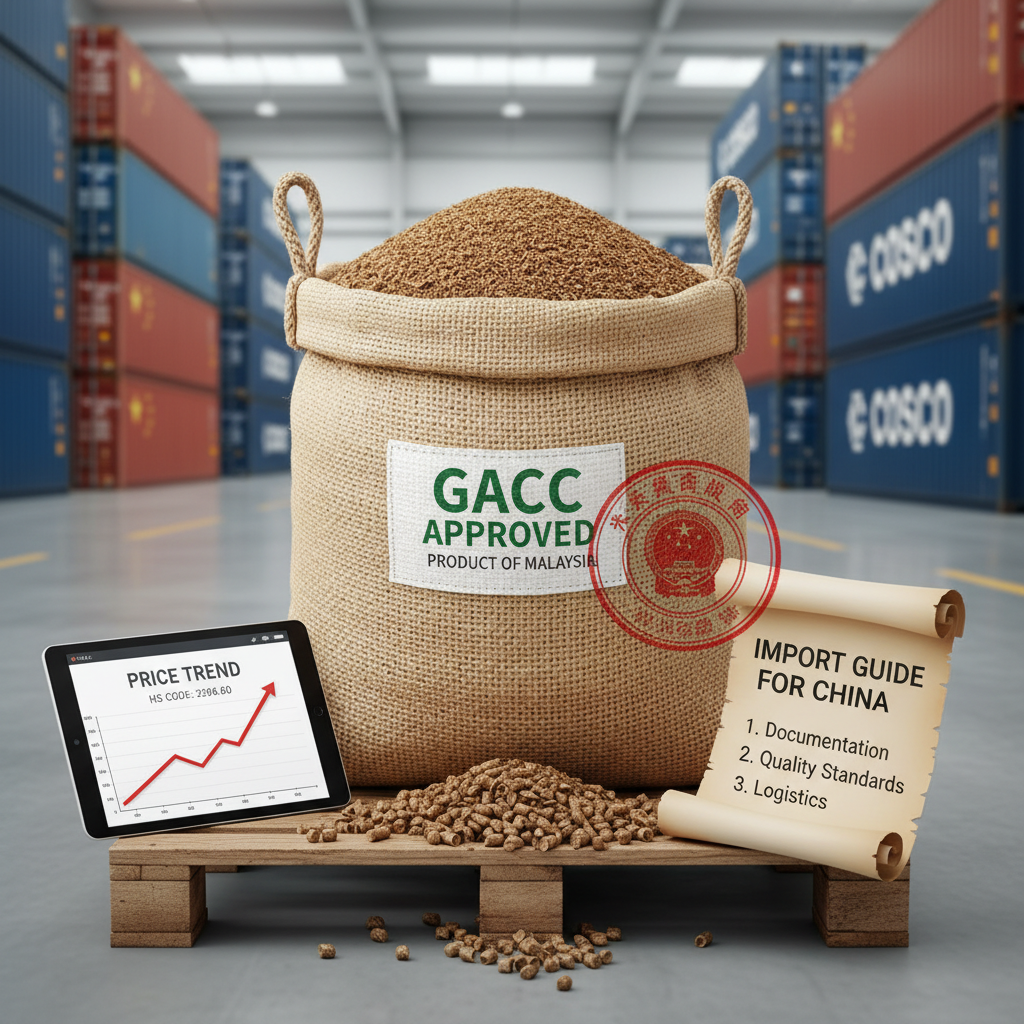
GACC Approved Palm Kernel Expeller: Price, HS Code & Import Guide for China
Importing GACC Approved Palm Kernel Expeller into China presents a massive opportunity for businesses in the animal feed industry. However, navigating the complex regulations can be daunting. This guide is your definitive roadmap to success in 2026, ensuring every step is clear, compliant, and profitable.
China’s colossal animal agriculture sector creates a relentless demand for high-protein feed ingredients, making GACC Approved Palm Kernel Expeller a prime commodity. Palm Kernel Expeller (PKE) stands out as a cost-effective, nutritious option that is pivotal for the feed industry.
The General Administration of Customs of the People’s Republic of China (GACC) enforces strict import protocols. Without proper registration and adherence to these rules, shipments face rejection, costing importers millions. This comprehensive article demystifies the entire process, from supplier verification and pricing to the crucial HS Code and customs clearance, empowering you to tap into this lucrative market.
What Exactly is GACC Approved Palm Kernel Expeller?
Understanding the terminology is the first step to a successful import strategy. The term “GACC Approved Palm Kernel Expeller” isn’t just a label; it’s a critical prerequisite for market access in China, signifying safety, quality, and regulatory compliance.
Defining Palm Kernel Expeller (PKE)
Palm Kernel Expeller, often abbreviated as PKE, is a by-product of the palm oil extraction process. After oil is extracted from the palm kernel through mechanical pressing, the remaining solids are processed into PKE. It is a highly valuable raw material for animal feed due to its balanced profile of protein (14-18%) and fiber.
This composition makes it an excellent ingredient for compound feeds for ruminants like cattle and sheep. Furthermore, its economic value offers a competitive alternative to other feed sources like soybean meal. To learn more about our specific product, you can explore our Palm Kernel Expeller page.
[Video Embed: A short, animated video explaining the palm oil milling process and showing how Palm Kernel Expeller is produced as a by-product.]
The Critical Role of GACC Approval for China Imports
The GACC is the gatekeeper for all food and agricultural products entering China. A “GACC Approved” status means the overseas manufacturer has undergone a rigorous registration and audit process, as stipulated in GACC Decree 248.
This approval confirms that the production facility meets China’s stringent standards for safety, traceability, and quarantine protocols. Attempting to import PKE from a non-registered facility is impossible. Chinese customs will reject the shipment upon arrival. Therefore, verifying your supplier’s active GACC registration is the most critical due diligence step. You can perform this verification through the official GACC database.
Is PKE the Same as Palm Kernel Shell?
It is vital not to confuse PKE with other palm by-products. While both originate from the palm fruit, they have vastly different properties and uses. PKE is a feed ingredient, whereas Palm Kernel Shell is primarily used as a solid biofuel for biomass power plants due to its high calorific value. Their HS Codes and import requirements are entirely different.
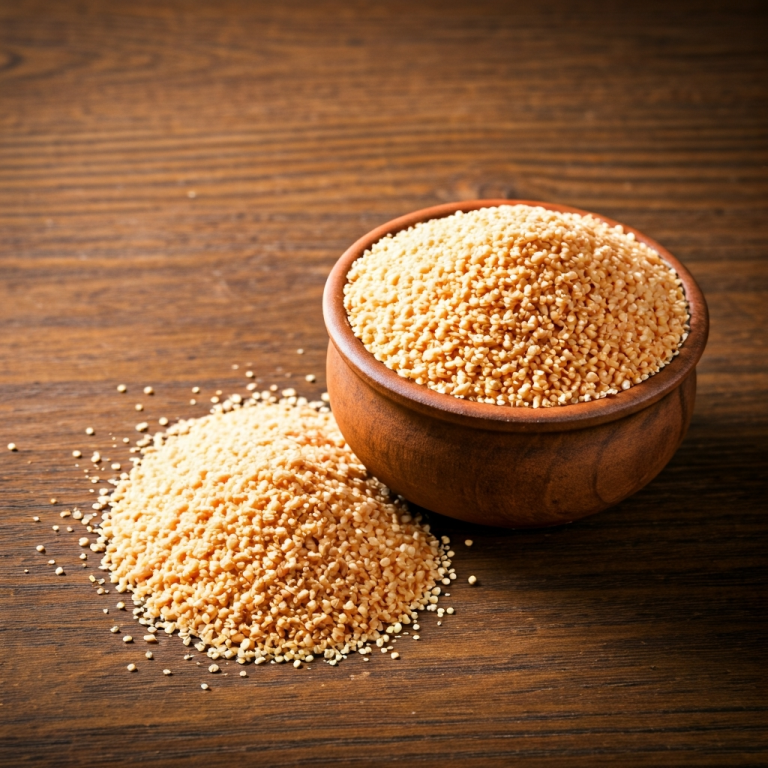
[Image: A high-quality, close-up shot of golden-brown Palm Kernel Expeller, highlighting its texture. | alt: A close-up of GACC Approved Palm Kernel Expeller, showing its granular texture. | title: GACC Approved Palm Kernel Expeller Texture]
Decoding the Palm Kernel Expeller HS Code for China
The Harmonized System (HS) Code is a standardized numerical method of classifying traded products. Using the correct code is non-negotiable for smooth customs clearance anywhere in the world, especially in China.
The Official HS Code for GACC Approved Palm Kernel Expeller: 2306.60.00
The correct and internationally recognized HS Code for Palm Kernel Expeller is 2306.60.00. This code specifically classifies “Oil-cake and other solid residues, whether or not ground or in the form of pellets, resulting from the extraction of palm nuts or kernels fats or oils.”
Using this precise code on all shipping documents—including the Bill of Lading, Commercial Invoice, and Packing List—is mandatory. Any discrepancy can lead to inspections, delays, and potential fines.
Why the Correct HS Code is Non-Negotiable
The HS Code determines several key aspects of an import shipment. Misclassification is a serious error that can derail your entire operation.
- Tariff Rates: It dictates the import duty and value-added tax (VAT) applicable to the product.
- Regulatory Requirements: It flags the product for specific inspections, quarantine checks, and licensing needs (like GACC approval for Palm Kernel Expeller).
- Trade Statistics: Governments use HS code data to track trade volumes and economic trends.
Incorrect classification can be interpreted as an attempt to circumvent tariffs or regulations, leading to severe penalties. For authoritative information on classifications, importers can reference the World Trade Organization guidelines.
GACC Approved Palm Kernel Expeller: 2026 Price Analysis
The price of GACC Approved Palm Kernel Expeller is dynamic, influenced by a variety of global and local market factors. Understanding these variables is key to budgeting and negotiating effectively for 2026.
Key Factors Influencing PKE Prices
The final price you pay per metric ton is rarely static. Watch for these key drivers:
- Crude Palm Oil (CPO) Prices: PKE is a by-product, so its price is often inversely correlated with CPO prices.
- Global Feed Demand: The price of substitutes like soybean meal and corn directly impacts PKE demand. A surge in soybean meal prices often increases demand for PKE.
- Freight & Logistics Costs: Shipping rates, container availability, and fuel surcharges are a significant component of the final landed cost.
- Seasonal Production: Palm fruit production has peak and lean seasons, affecting raw material availability and thus PKE supply.
- Currency Exchange Rates: As PKE is traded in USD, fluctuations between the USD and the currencies of the exporting (e.g., Indonesian Rupiah) and importing (Chinese Yuan) countries play a role.
PKE vs. Other Feed Ingredients: A Cost-Benefit Look
Importers constantly evaluate feed ingredients based on nutritional value and cost. Here’s how GACC Approved Palm Kernel Expeller compares to other common ingredients like soybean meal, copra meal, and even more specialized additives like Calcium Salts of Palm Oil Fatty Acids.
| Attribute | Palm Kernel Expeller (PKE) | Soybean Meal | Copra Meal |
|---|---|---|---|
| Primary Use | Ruminant feed, compound feeds | Poultry, swine, and aqua feed | Ruminant and horse feed |
| Crude Protein (%) | 14-18% | 44-48% | 20-24% |
| Crude Fiber (%) | 12-18% | 3-7% | 10-14% |
| Relative Cost | Low to Medium | High | Medium |
This table demonstrates that while PKE has lower protein than soybean meal, its high fiber content and significantly lower cost make it an ideal component for ruminant feed formulations. This efficiency is confirmed by research in animal nutrition science, like this study on its digestibility, validating its role in cost-effective feed.
[Image: An infographic titled “5 Steps to Import GACC Approved Palm Kernel Expeller to China” with clear icons for each step: Verification, Contract, Inspection, Customs, and Distribution. | alt: Infographic showing the 5-step process for importing GACC Approved Palm Kernel Expeller. | title: 5 Steps to Import Palm Kernel Expeller to China]
The Complete 5-Step Guide to Importing PKE to China in 2026
Following a structured process is the best way to ensure a smooth and successful importation of GACC Approved Palm Kernel Expeller. This five-step plan covers the journey from supplier selection to final delivery.
Step 1: Verify Supplier’s GACC Registration
Before any negotiation, you must verify that your potential supplier is on the GACC list of approved establishments. Use the official GACC query portal and ask the supplier for their registration number. A legitimate, experienced supplier will provide this readily.
Step 2: Contract Negotiation & Incoterms
Negotiate clear terms. Your contract should specify quality parameters (protein, moisture, fat, fiber content), quantity, price, payment terms (e.g., Letter of Credit), and the chosen Incoterm (e.g., CIF, FOB). For high-volume sea freight, CIF (Cost, Insurance, and Freight) is common.
Step 3: Pre-Shipment Inspection and Documentation
Arrange for a third-party inspection (e.g., SGS, Bureau Veritas) at the port of loading to verify quality. Simultaneously, ensure all documents are prepared accurately: Commercial Invoice, Packing List, Certificate of Origin, Phytosanitary Certificate, and Bill of Lading, all referencing HS Code 2306.60.00.
Step 4: Customs Clearance in China
Upon arrival at the Chinese port, your customs broker submits the documents to GACC officials. The shipment is checked against the GACC registration list, and samples may be taken for laboratory analysis to ensure compliance with China’s national feed hygiene standards (GB 13078).
Step 5: Post-Clearance Logistics and Distribution
Once customs are cleared and duties are paid, the PKE is released. You can then proceed with inland transportation to the feed mill or distribution warehouse. Efficient logistics at this stage is crucial to minimize costs and preserve product quality.
Common Mistakes to Avoid When Importing PKE to China
While the 5-step guide provides a roadmap, importers must also be aware of potential pitfalls. Avoiding these common errors can save significant time and money when dealing with GACC Approved Palm Kernel Expeller.
- Ignoring Due Diligence: Relying solely on a supplier’s claim of GACC registration without independent verification is a critical error. Always use the official GACC database to confirm their status.
- Vague Contract Terms: Failing to specify exact quality parameters, moisture levels, or payment conditions can lead to disputes and financial loss.
- Incorrect Documentation: Minor errors in the HS Code, company names, or product descriptions on shipping documents can lead to lengthy customs holds.
- Underestimating Logistics: Not planning for post-clearance transport and storage can result in delays, demurrage charges, and degradation of product quality.
Makmur Amanah Sejahtera provides high-quality palm products such as GACC Approved Palm Kernel Expeller, Palm Kernel Shell, Crude Palm Oil, Palm Kernel Oil, etc. Kindly contact us at WhatsApp +6282140002198 or email us at admin@makmuramanah.co.id.
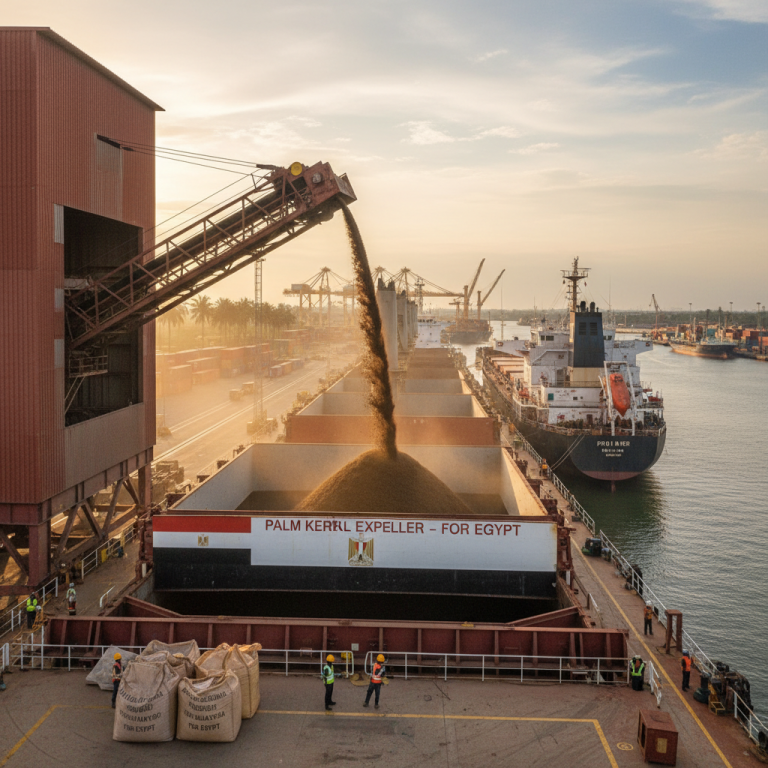
[Image: A large cargo ship docked at a busy port, with cranes loading bulk commodities, representing the logistics of PKE export. | alt: Cargo ship being loaded with bulk GACC Approved Palm Kernel Expeller for export to China. | title: Exporting Palm Kernel Expeller]
Frequently Asked Questions (FAQ)
What is the difference between PKE and Palm Kernel Cake (PKC)?
Functionally, there is no significant difference. Palm Kernel Expeller (PKE) is produced via mechanical pressing, while Palm Kernel Cake (PKC) can refer to solvent-extracted meal. However, in the international feed trade, the terms are often used interchangeably for the mechanically extracted product.
How long is a GACC registration valid for?
A GACC registration for an overseas food production facility is typically valid for 5 years. The manufacturer must apply for renewal well in advance of the expiration date to ensure uninterrupted access to the Chinese market, as detailed by leading publications like FeedNavigator.
Can I import non-GACC approved PKE into China?
No. It is illegal and impossible to import PKE from a facility that is not registered and approved by the GACC. The shipment will be detained and either destroyed or returned at the importer’s expense. There are no exceptions to this rule.
What are the main uses of Palm Kernel Expeller in China?
In China, PKE is predominantly used as a key ingredient in compound feed for dairy and beef cattle. Its high fiber and moderate protein content make it ideal for ruminant diets, helping to lower overall feed costs for farmers while maintaining animal health and productivity.
How can I get an accurate price quote for GACC Approved Palm Kernel Expeller?
To get an accurate price for GACC Approved Palm Kernel Expeller, provide your supplier with detailed specifications: desired quantity (in metric tons), required quality parameters (protein, moisture, etc.), destination port in China, and preferred Incoterms (e.g., CIF, FOB). This allows them to calculate a precise price.
[Image: A collage showing various farm animals (cattle, sheep) eating from a trough, subtly indicating the end use of PKE. | alt: Cattle and sheep eating feed containing Palm Kernel Expeller. | title: PKE for Animal Feed]
Conclusion: Your Partner for Success in the China Feed Market
The Chinese market for animal feed ingredients offers immense potential, but success is built on a foundation of compliance and diligence. Navigating the complexities of pricing, HS codes, and import procedures for GACC Approved Palm Kernel Expeller requires a deep understanding of the regulatory landscape. As detailed, every step is crucial.
By prioritizing suppliers who are transparent, reliable, and experienced, you mitigate risk and build a resilient supply chain. The key to unlocking this market in 2026 lies in working with a partner who understands these challenges. Ensure your success by exclusively sourcing GACC Approved Palm Kernel Expeller from a trusted and verified manufacturer.

 English
  Indonesian
  Chinese
  Arabic