
Palm Kernel Expeller stands out as a high-protein, high-fiber animal feed ingredient that continues to transform international agricultural markets.
As global demand for sustainable and cost-effective livestock nutrition accelerates, navigating international trade corridors requires precise technical insights. This definitive 2026 guide explores the complete nutritional profile, industrial production methods, and strategic logistics required for exporting this valuable commodity.
What Is Palm Kernel Expeller? Definition and Production
Palm Kernel Expeller is a fibrous byproduct generated during the mechanical screw-press extraction of crude oil from the kernels of the oil palm fruit (*Elaeis guineensis*). Unlike chemical solvent extraction methods that use hexane, the expeller process relies entirely on physical pressure and heat.
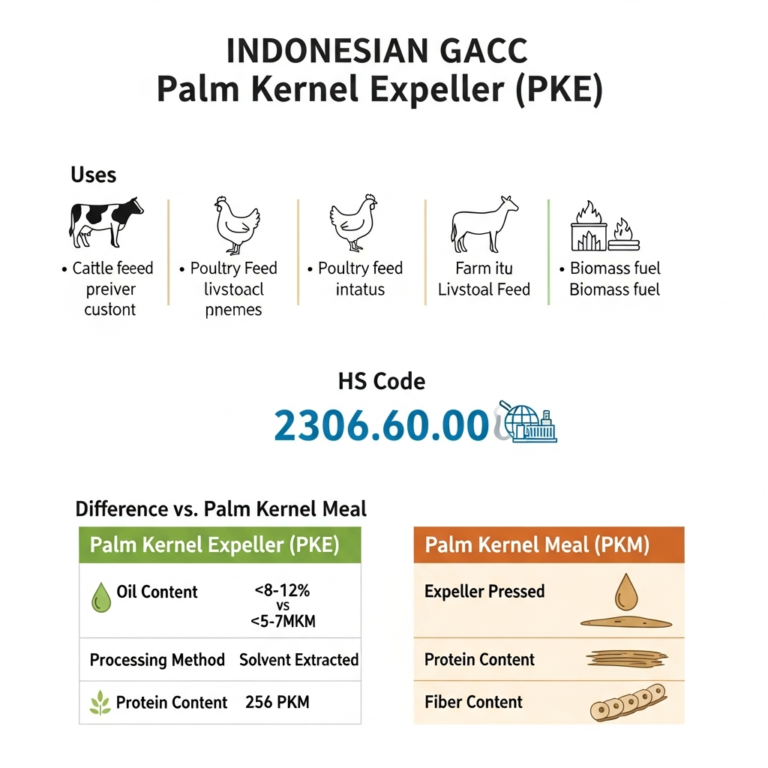
This mechanical approach preserves a higher residual oil content, typically ranging between 6% and 10%, which significantly enhances its energy density. According to the Food and Agriculture Organization (FAO), mechanical expelling ensures that the resulting feed cake remains free from chemical residues, making it exceptionally safe for livestock consumption.
[Image: Close-up of processed Palm Kernel Expeller texture and color ready for bulk shipping, alt_text: Palm Kernel Expeller bulk animal feed texture, title: Premium Palm Kernel Expeller Product View]
The Mechanical Extraction Process
The journey of PKE begins inside state-of-the-art palm oil mills. After separating the palm fruit bunches, operators crack the hard shells to retrieve the inner kernels.
These kernels undergo cleaning, conditioning, and steam heating before entering heavy-duty mechanical expellers. The extreme pressure squeezes out the valuable crude oil, leaving behind dense, golden-brown cakes that are subsequently broken down into uniform pellets or coarse meal.
Physical and Chemical Characteristics
Quality control laboratories evaluate PKE based on strict international standards. A standard batch of premium Palm Kernel Expeller typically exhibits the following analytical profile:
- Crude Protein: 14% to 18% dry matter
- Crude Fiber: 15% to 22%
- Residual Oil/Fat: 6% to 10%
- Moisture Content: Below 12% to prevent mold growth
- Ash Content: 4% to 6%
Nutritional Benefits of Palm Kernel Expeller in Livestock Diets
Nutritional scientists and dairy farmers worldwide praise PKE for its balanced energy-to-protein ratio. Because ruminants possess specialized multi-chambered stomachs, they can efficiently digest the high fibrous content unique to palm-derived ingredients.
Furthermore, incorporating PKE into cattle rations helps stabilize rumen fermentation, reducing the risk of acidosis commonly associated with high-starch grain diets. Research published in the Journal of Dairy Science highlights that moderate inclusion rates improve milk fat percentage without compromising overall body condition scores.
[Image: Infographic comparing the nutritional breakdown of Palm Kernel Expeller, Copra Meal, and standard soybean meal, alt_text: Palm Kernel Expeller nutritional comparison chart, title: PKE Nutritional Benefits Infographic]
Comparison with Alternative Feed Ingredients
Evaluating feed ingredients requires a direct look at cost efficiency and nutrient availability. The table below outlines how PKE compares to other standard commodities:
| Feed Ingredient | Crude Protein (%) | Crude Fiber (%) | Energy Value |
|---|---|---|---|
| Palm Kernel Expeller | 14 – 18 | 15 – 22 | Moderate to High |
| Copra Meal | 20 – 22 | 12 – 15 | High |
| Soybean Meal | 44 – 48 | 3 – 7 | Very High |
| Calcium Salts of Palm Oil Fatty Acids | N/A | N/A | Maximum Energy |
Exporting Palm Kernel Expeller to Egypt: Market Dynamics
Egypt represents one of the most dynamic and rapidly expanding import markets for agricultural commodities in North Africa. Driven by a booming dairy and beef cattle sector, Egyptian feed millers constantly seek reliable, cost-effective protein sources to offset rising local grain prices.
According to reports from the United States Department of Agriculture (USDA) Foreign Agricultural Service, Egypt’s compound feed production continues to grow annually, opening vast opportunities for Southeast Asian exporters.
Logistical Corridors and Shipping Standards
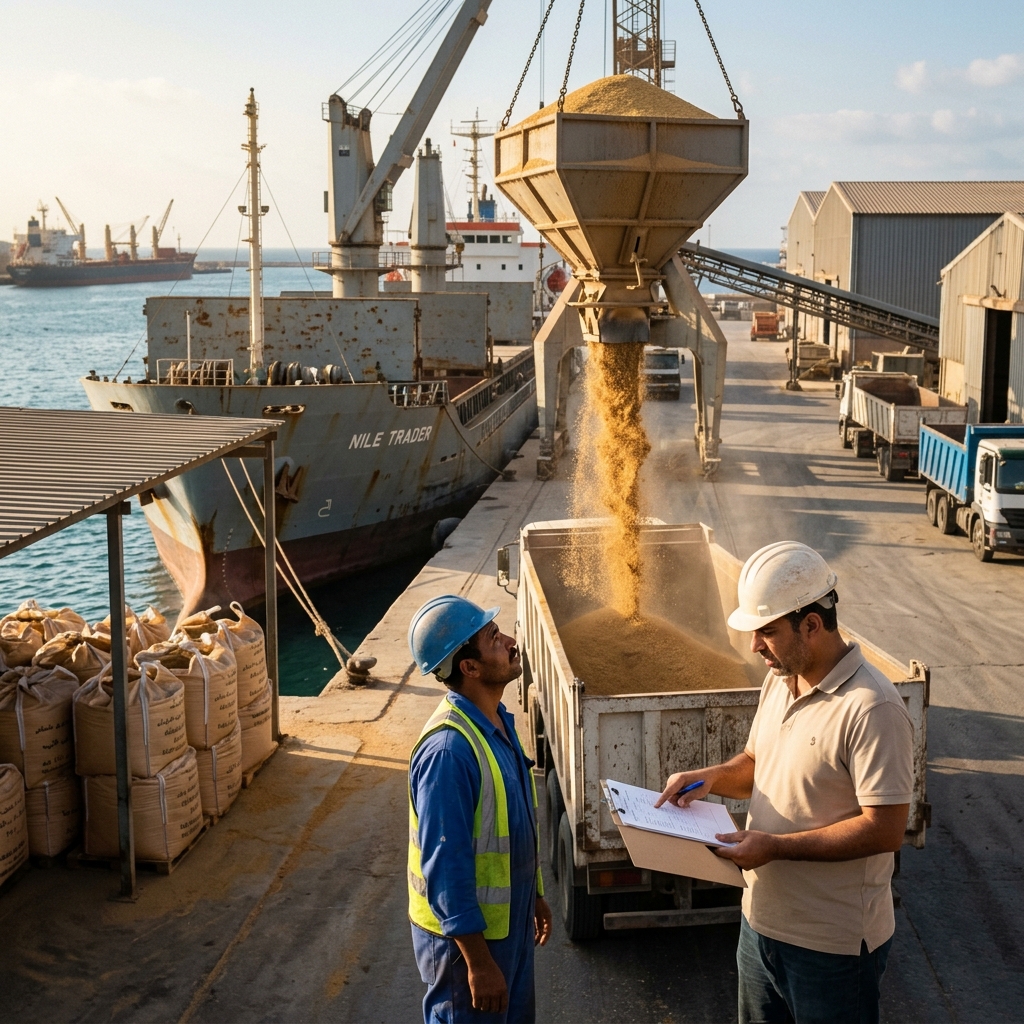
Successful export operations to Egyptian ports—such as Alexandria and Damietta—demand strict adherence to maritime shipping standards. Bulk carriers and containerized shipments must maintain optimal moisture levels below 12% to prevent spontaneous heating during transit through tropical and Mediterranean waters.
Additionally, complementary products like Palm Kernel Shell and Cocopeat often share shipping lanes, allowing traders to optimize vessel chartering and logistics costs.
Regulatory Compliance and Egyptian Customs
Entering the Egyptian market requires strict compliance with the General Organization for Export and Import Control (GOEIC) and the Egyptian Ministry of Agriculture.
Exporters must provide comprehensive documentation, including:
- Certificate of Origin authenticated by chambers of commerce.
- Phytosanitary Certificate issued by agricultural quarantine authorities.
- Independent laboratory analysis certificates verifying absence of harmful contaminants, salmonella, and heavy metals.
- Halal certification where applicable for specific livestock processing standards.
[Image: Container ship loaded with agricultural commodities heading toward the Suez Canal, alt_text: Palm Kernel Expeller shipping route to Egypt, title: International PKE Export Logistics]
Sustainability and Quality Assurance in PKE Production
Modern international buyers place immense emphasis on environmental sustainability and traceability. Sustainable palm oil initiatives ensure that expeller byproducts originate from mills certified under schemes like RSPO (Roundtable on Sustainable Palm Oil) or ISCC (International Sustainability and Carbon Certification).
Furthermore, pairing high-grade feed components with energy solutions like RBD CP8 cooking oils under unified supply chains guarantees complete traceability from plantation to port.
Makmur Amanah Sejahtera provides high-quality palm products such as Palm Kernel Expeller, Palm Kernel Shell, Crude Palm Oil, Palm Kernel Oil, etc. Kindly contact us at WhatsApp +6282140002198 or email us at admin@makmuramanah.co.id.
Frequently Asked Questions
What is Palm Kernel Expeller made from?
PKE is manufactured from the fibrous residue left after mechanically pressing oil from palm tree kernels. It contains no synthetic additives and serves as a natural, highly palatable feed supplement for cattle, sheep, and other ruminants.
Why is PKE popular for export to Egypt?
Egyptian feed manufacturers utilize PKE because it offers an economical source of crude protein and digestible fiber, helping dairy and beef farms lower feed costs while maintaining high milk production and weight gain standards.
What is the ideal moisture content for shipping PKE?
The moisture content must remain strictly below 12%. Lower moisture levels prevent mold development, caking, and potential spontaneous combustion during long-distance maritime transport across tropical and temperate zones.
How does PKE compare to soybean meal?
While soybean meal offers higher crude protein levels (around 44-48%), PKE provides significantly more crude fiber and is substantially more cost-effective, making it an ideal partial substitute in balanced ruminant rations.
Are there certified sustainable sources of PKE available?
Yes. Leading producers maintain rigorous certifications such as RSPO and ISCC, ensuring that the raw materials are harvested according to strict environmental, social, and economic sustainability standards.
[Image: Professional livestock feeding in a modern dairy farm utilizing high-grade feed pellets, alt_text: Livestock eating Palm Kernel Expeller feed, title: Dairy Cattle Feeding with Premium PKE]
Conclusion
Navigating the international agricultural market requires deep industry knowledge, strict quality control, and reliable trade partnerships. Throughout this guide, we explored the nutritional benefits, industrial extraction methods, and export logistics required to successfully transport this commodity to growing markets like North Africa.
By prioritizing certified quality, optimal moisture management, and compliance with Egyptian import standards, businesses can unlock exceptional value in global trade. To secure your premium supply of Palm Kernel Expeller, connect with our expert trade team today.

 English
  Indonesian
  Chinese
  Arabic