
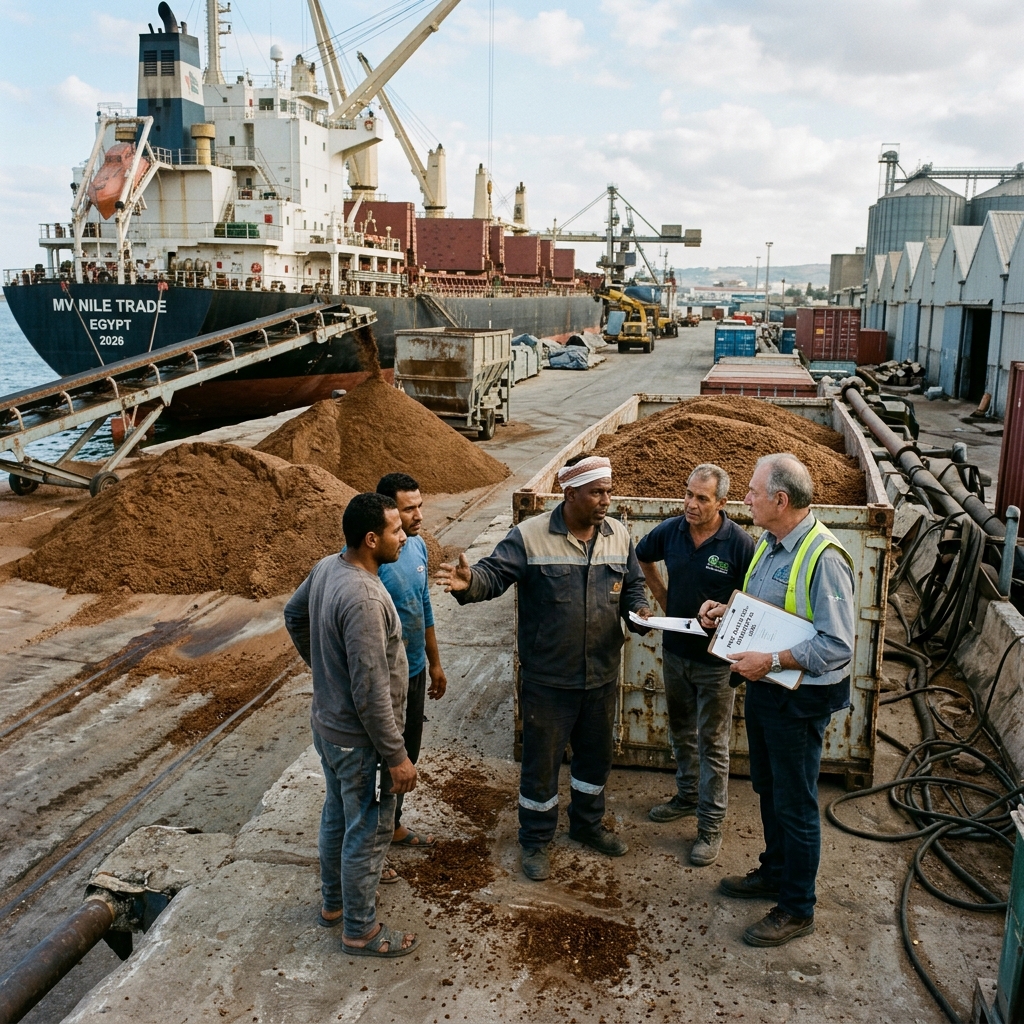
Partnering with a reliable Palm Kernel Expeller supplier empowers Egyptian feed millers to slash ration expenses while maintaining animal performance. Escalating global prices of conventional commodities like yellow corn and soybean meal have forced domestic livestock producers to rethink their formulation strategies. Sourcing high-energy agro-industrial by-products like palm kernel cake Egypt operations rely on provides an outstanding balance of energy, digestible fiber, and crude protein for commercial dairies and feedlots across the Nile Delta.
Egypt relies on overseas markets for roughly 70% of its raw feedstuffs, exposing commercial feed mills and integrated farms to sharp foreign exchange volatility. According to data from the USDA Foreign Agricultural Service, the Egyptian livestock industry continues to face supply constraints, driving demand for cost-effective alternative protein and fiber ingredients. Consequently, securing crude protein animal feed alternatives directly from primary processors has transitioned into an essential survival strategy for modern livestock enterprises.

Why Feed Millers Need a Direct Palm Kernel Expeller Supplier
Intermediaries and third-party trading brokers frequently inflate import premiums, complicate shipping schedules, and obscure physical product traceability. Dealing directly with an origin-based Palm Kernel Expeller supplier removes speculative margins and delivers continuous visibility into production batches. Direct mill relationships allow buyers to verify product freshness, manage moisture thresholds, and lock in forward contracts during seasonal price dips.
Direct sourcing also gives commercial purchasers precise control over physical processing parameters. Mechanical expeller pressing yields a meal with a superior residual oil content (6.5% to 9.5%) compared to solvent-extracted alternatives. This residual palm oil supplies concentrated dietary energy that helps Egyptian dairy operations sustain peak milk yields during prolonged heat stress throughout the summer season.
Furthermore, establishing a direct pipeline with an origin producer simplifies compliance with animal feed import Egypt regulations. Seasoned exporters streamline quality verification, providing consistent raw material texture that simplifies processing inside commercial hammer mills and batch mixers.
Nutritional Value of PKE in Ruminant Nutrition Egypt Programs
Livestock nutritionists classify PKE as an energy-dense protein feed and an exceptional source of digestible fiber. As detailed by agricultural authorities at Feedipedia, PKE delivers between 14% and 18% crude protein alongside an abundant neutral detergent fiber (NDF) fraction that promotes optimal rumen health.
The fibrous matrix in PKE digests slowly, minimizing the threat of subacute ruminal acidosis (SARA)—a persistent and costly challenge for feedlots fattening native Baladi cattle and water buffalo (Gamous). Furthermore, PKE supplies valuable levels of bioavailable phosphorus, magnesium, and essential trace minerals, reducing inclusion rates required for synthetic mineral premixes.
| Nutritional Parameter | Palm Kernel Expeller (PKE) | Yellow Corn (Maize) | Wheat Bran | Soybean Meal (44%) |
|---|---|---|---|---|
| Crude Protein (CP) | 14.0% – 17.5% | 8.0% – 9.5% | 14.5% – 16.0% | 44.0% – 48.0% |
| Ether Extract / Crude Fat | 6.5% – 9.5% | 3.5% – 4.2% | 3.8% – 4.5% | 1.0% – 2.0% |
| Crude Fiber (CF) | 15.0% – 18.0% | 2.0% – 2.8% | 9.5% – 11.5% | 5.5% – 7.0% |
| Metabolizable Energy (Ruminants) | 10.5 – 11.5 MJ/kg | 13.0 – 13.5 MJ/kg | 9.8 – 10.5 MJ/kg | 12.0 – 12.8 MJ/kg |
| Primary Functional Benefit | Rumen buffering, digestible fiber & fat | Rapid starch fermentation | Dietary bulk & roughage | Essential amino acid profile |
Mitigating Acidosis in Dairy Cattle Feed Formulation
Intensive fattening operations in Sharqia, Beheira, and Dakahlia often administer heavy grain rations to accelerate daily liveweight gains. However, excessive starch intake depresses ruminal pH below critical thresholds and impairs beneficial cellulolytic microbes. Replacing a portion of cereal grains with PKE maintains dietary net energy while supplying fermentable cell wall components like beta-mannans.
Research published in ScienceDirect demonstrates that replacing up to 30% of dietary grain with palm kernel meal stabilizes the rumen ecosystem without reducing dry matter intake. Integrating PKE with specialized energy supplements like calcium salts of palm oil fatty acids provides high-producing cows with bypassed dietary lipids, sustaining peak body condition through hot Mediterranean summer cycles.

Vetting a Direct Palm Kernel Expeller Supplier for Alexandria Port Customs Clearance
Navigating Egyptian maritime import protocols demands strict procedural discipline and absolute document accuracy. A professional Palm Kernel Expeller supplier understands the mandatory statutory framework enforced by the General Organization for Export and Import Control (GOEIC) and the Central Administration of Plant Quarantine (CAPQ).
Discharging bulk feed ingredients Alexandria terminals process requires coordinated logistics between shipping lines and local port authorities. Ensuring documentation accuracy before cargo departure prevents severe demurrage costs and customs delays across Egyptian harbors:
- Advanced Cargo Information (ACI) System: Importers must secure an ACID (Advanced Cargo Information Declaration) number before loading cargo at origin. The export partner must record this number across all bills of lading, packing lists, and commercial invoices.
- Phytosanitary Certification: The exporting nation’s agricultural department must inspect cargo, certifying total freedom from noxious weed seeds, live store pests, and soil residues.
- Independent Certificate of Analysis (COA): International inspection agencies like SGS or Sucofindo must verify guaranteed specifications, certifying moisture under 10% and aflatoxins below 20 ppb.
- Certified Hold Fumigation: Cargo holds and containers require treatment with approved phosphine or methyl bromide formulations, verified through valid fumigation certificates.
A reputable Indonesian Palm Kernel Expeller supplier mitigates non-compliance risks by issuing validated draft documentation for pre-clearance confirmation before vessels depart Southeast Asian shores.
Logistical Models: Bulk Cargo Vessels vs. Containerized Shipments
Egyptian agribusinesses must select shipping methods that match their financial structure, warehouse capacity, and cash turnover cycle. When importing palm kernel expeller through Alexandria port, buyers generally balance breakbulk economies of scale against containerized operational flexibility.
Leading milling conglomerates often contract handy-size bulk vessels carrying 5,000 to 15,000 metric tons directly into El Dekheila or Damietta. Bulk chartering secures the lowest per-ton freight rates, giving large processors a price advantage in wholesale distribution. However, breakbulk deliveries require substantial letters of credit (LC), dedicated discharge hoppers, and private warehouse facilities to prevent harbor demurrage.
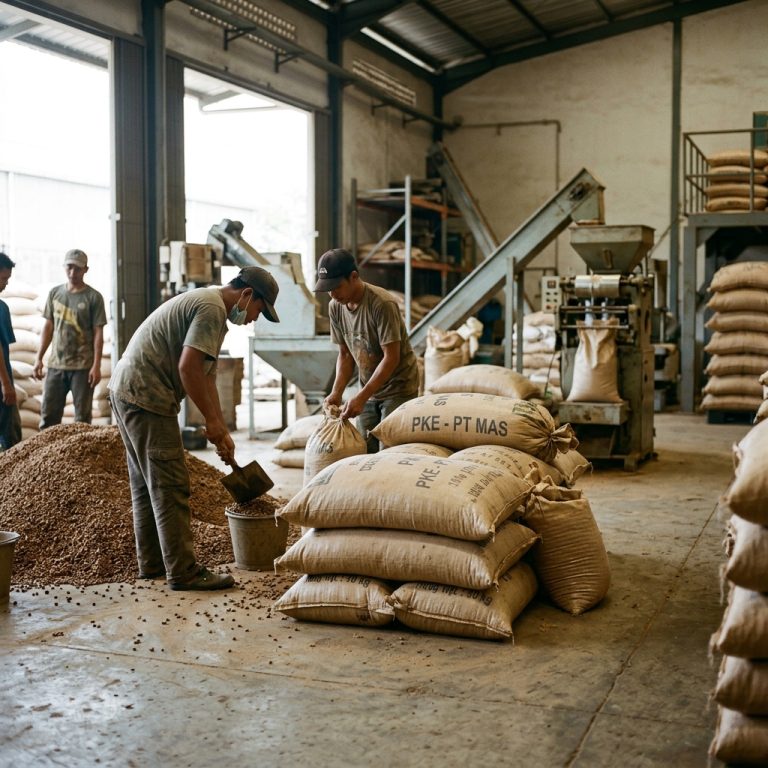
Conversely, medium-sized compounders and private cooperatives frequently choose containerized freight utilizing 20ft or 40ft ocean containers packed with 50 kg woven bags or 1-ton jumbo totes. Containerization provides consistent inventory rotation and protects goods from ambient transit humidity. Furthermore, feed millers can combine container orders with other high-value tropical feed mill raw materials, such as copra meal, balancing formulas under consolidated customs declarations.
Video Resource: Bulk Vessel Loading & Cargo Inspection
Explore how a modern Southeast Asian export terminal loads, tests, and fumigates bulk PKE shipments bound for global deepwater ports:
(Watch: Detailed maritime logistics overview of PKE export operations, quality control sampling, and hold sealing protocols).
Selecting an Origin Palm Kernel Expeller Supplier in Sumatra and Kalimantan
Indonesia remains the world’s premier producer of oil palm derivatives, crushing millions of tons of fresh fruit bunches every month. However, processing equipment and operational standards vary significantly across regional extraction facilities. Sourcing PKE wholesale Indonesia stock requires careful evaluation of technical milling standards.
- Industrial De-Stoning Systems: Top-tier processors utilize vibrating screens and high-intensity magnets to remove residual nut shells and debris before bagging. Facilities seeking clean bio-energy fuels can source separated palm kernel shell rather than accepting contaminated meal lots.
- Rotary Steam Drying Efficiency: Advanced extraction mills dry freshly expeller-pressed meal to maintain moisture between 8% and 10%. Keeping moisture below 10% prevents heating, fungal growth, and nutritional deterioration during ocean transit across the Indian Ocean and Red Sea.
- Thermal Control During Expeller Extraction: Consistent mechanical pressing produces a clean light-brown meal with an appetizing roasted aroma. Overheated, dark meal indicates protein scorching, which lowers essential amino acid digestibility in growing livestock.
- Comprehensive Co-Product Availability: Major agricultural suppliers also offer complementary horticultural products like cocopeat and refined cooking oils such as RBD CP8, streamlining procurement through consolidated supply channels.

Economic Benefits of PKE for Egyptian Feed Compounds
Macroeconomic shifts across North Africa require feed manufacturers to proactively optimize dietary raw material costs. Market reports published by the Food and Agriculture Organization (FAO) highlight the expanding global adoption of sustainable agro-industrial by-products to protect livestock sectors against unpredictable supply disruptions.
Evaluating wholesale palm kernel cake bulk vessel pricing 2026 projections indicates substantial cost advantages over traditional grain formulations. Incorporating 15% to 25% PKE into commercial cattle diets lowers total formulation expenses by 15% to 22% per metric ton. Because PKE provides both digestible crude fiber and residual lipids, it reduces reliance on expensive imported alfalfa hay and costly supplemental fats. The end result is a cost-effective feeding program that protects operating margins against global grain market swings.

Recommended Inclusion Rates for Commercial Egyptian Livestock
Formulating balanced rations with PKE requires understanding species-specific digestive physiology. Because ruminants maintain specialized symbiotic microbes to ferment structural fiber, they gain the greatest nutritional benefit from PKE supplementation:
- Commercial Dairy Cattle: Formulate at 10% to 20% of dry matter intake. The natural fatty acid profile supports butterfat synthesis and helps sustain peak lactation persistence in high-producing cows.
- Feedlot Beef Cattle & Buffaloes: Blend at 20% to 35% of the total concentrated mix. The low non-structural carbohydrate (NSC) profile supports consistent weight gains while preventing digestive disturbances like bloat and liver abscesses.
- Sheep & Fattening Lambs: Include at 10% to 15% of total dry matter. Ruminant nutritionists should monitor cumulative copper levels across all ingredients, as small ruminants are sensitive to high trace mineral concentrations.
- Camel Production Herds: Incorporate at 15% to 25% within maintenance and milk rations. Camels utilize fibrous by-products efficiently, turning PKE into cost-effective dietary energy under arid conditions.
Connecting with a direct Palm Kernel Expeller supplier for Egypt feed mills ensures consistent nutritional specifications, allowing feed formulators to standardize finished feed performance year-round.
Makmur Amanah Sejahtera provides high-quality palm products such as Palm Kernel Expeller, Palm Kernel Shell, Crude Palm Oil, Palm Kernel Oil, etc. Kindly contact us at WhatsApp +6282140002198 or email us at admin@makmuramanah.co.id.
Frequently Asked Questions
What is the shelf life of Palm Kernel Expeller in Egypt’s climate?
Stored in dry, shaded, and well-ventilated Egyptian warehouses, high-grade PKE retains its complete nutritional profile for 6 to 9 months. Maintaining cargo moisture below 10% prevents mold proliferation and lipid oxidation, ensuring the feed stays fresh even during peak summer temperatures across the Delta region.
What is the standard minimum order quantity (MOQ) for importing PKE?
Standard containerized consignments require a minimum order of one 20ft or 40ft container load, representing approximately 20 to 26 metric tons. In contrast, bulk vessel charters generally require minimum shipments of 3,000 to 5,000 metric tons to optimize maritime freight economies of scale.
How does PKE improve milk fat levels in Egyptian dairy cows?
PKE contains residual medium-chain fatty acids alongside digestible neutral detergent fiber. In the rumen, this fibrous matrix ferments into acetate, the primary metabolic building block for mammary milk fat synthesis. This process allows dairy cows to maintain high milk fat percentages despite intense summer heat.
Which Egyptian maritime ports handle PKE shipments most efficiently?
Alexandria Port and El Dekheila process the highest volumes of imported feedstuffs, offering specialized grain siloing complexes and heavy grab-discharge systems. Damietta Port also provides deepwater terminals, serving feed manufacturing clusters situated across the eastern Nile Delta with fast regional transit times.
Can feed mills incorporate PKE directly into total mixed rations?
Yes, livestock operators can feed PKE directly as an on-farm top-dress or blend it cleanly into total mixed rations (TMR). Industrial feed plants commonly mill the meal through fine hammer screens to ensure homogeneous dispersion when manufacturing high-durability extruded or pelleted feeds.
Conclusion: Securing Your Feed Supply Chain
Diversifying commercial feed formulas with top-grade tropical co-products provides vital economic stability against global ingredient market swings. Partnering with the best Palm Kernel Expeller supplier for Egyptian livestock insulates your feed mill against supply shortages, unpredictable ingredient pricing, and unverified raw material purity. By leveraging direct producer contracts, dependable maritime shipping, and strict origin quality controls, Egyptian agribusinesses can optimize feed conversion, protect operating margins, and secure dependable feed supplies throughout 2026 and beyond.


 English
 Indonesian
 Chinese
 Arabic
