
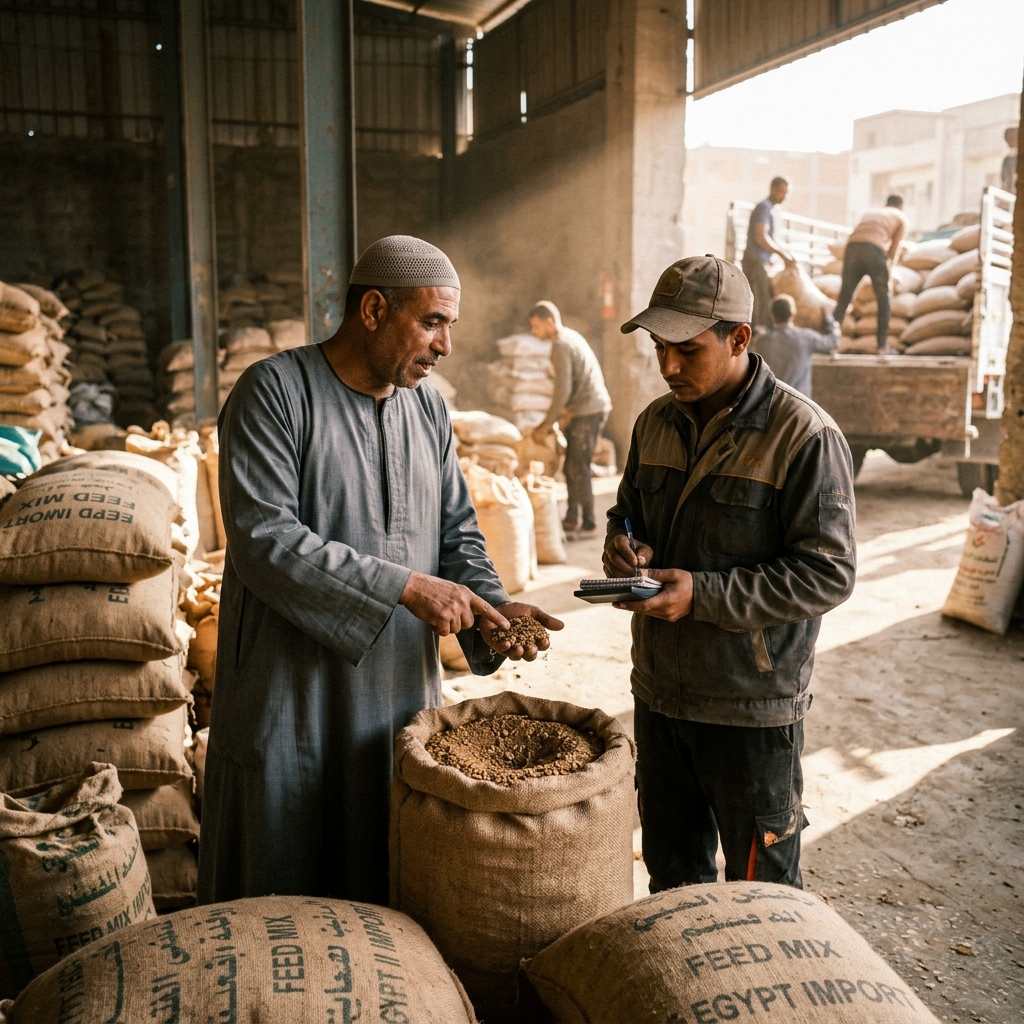
Palm Kernel Expeller Egypt: 7 Proven Import Rules (2026)
Palm Kernel Expeller Egypt sourcing demands precision, especially as commercial livestock producers across the Nile Delta balance soaring protein costs against dairy herd productivity. Egyptian compounding feed millers and commercial feedlot operators continuously leverage agro-industrial co-products to hedge against volatile conventional grain markets. Sourcing directly from certified Southeast Asian crushers allows domestic agribusinesses to secure consistent milk yields and superior fattening efficiency throughout every quarter.
Egypt currently imports over 60% of its raw livestock feed components, according to data from the USDA Foreign Agricultural Service. Escalating costs for imported yellow corn and soybean meal have pushed commercial operations to diversify their total mixed rations (TMR). Consequently, incorporating high-fiber, medium-protein energy feeds has shifted from an experimental cost-saving initiative to an absolute industry standard.
This comprehensive trade guide details everything agribusiness operators must know about purchasing, pricing, bulk handling logistics, and regulatory clearance for palm by-products entering Alexandria, Damietta, and Port Said. Whether you manage an integrated commercial dairy plant or run an independent feed trading desk, these operational insights will streamline your supply chain and protect your bottom line.
Understanding the Market Demand for Palm Kernel Expeller Egypt
The import demand for Palm Kernel Expeller Egypt consignments has surged due to structural expansions in domestic commercial cattle farming. Palm Kernel Expeller (PKE)—the nutrient-dense solid residue obtained after mechanical expelling of oil from crushed palm kernel seeds—delivers an exceptional balance of rumen-degradable dry matter, non-protein nitrogen, and residual vegetable fats. Egyptian livestock producers utilize this ingredient to support rumen buffering while delivering steady net energy for lactation.
Commercial livestock operations in Beheira, Sharkia, and Ismailia face severe summer heat, during which dairy cows suffer from chronic heat stress and decreased roughage intake. PKE serves as an ideal cooling, dense feed because its net energy stems primarily from neutral detergent fiber (NDF) and digestible lipids rather than fast-fermenting starches, significantly reducing the occurrence of subacute ruminal acidosis (SARA).
[Image: Bulk cargo vessel discharging animal feed at Alexandria Port Egypt | alt: Offloading Palm Kernel Expeller Egypt at Alexandria seaport terminal | title: Bulk Palm Kernel Expeller Egypt Shipment]
Furthermore, compounding mills combine PKE with local agro-industrial by-products, such as sugar beet pulp and wheat bran, for balanced dairy cattle nutrition Cairo operations depend upon. Modern compounders often supplement these feed mixes with high-protein tropical meals like Copra Meal to achieve balanced amino acid density at an optimal cost per ton.
Nutritional Specifications and Quality Benchmarks
Securing prime Palm Kernel Expeller Egypt contracts requires a granular understanding of technical specifications. Not all mechanical expeller cakes perform identically; variations in oil extraction efficiency at origin directly impact residual fat levels, energy density, and product shelf life in warm climates.
Technical Profile of Palm Kernel Expeller Egypt Consignments
A standard laboratory assay of export-grade PKE includes approximately 14% to 18% crude protein alongside a minimum of 6% to 8% ether extract (residual oil). This balanced fatty acid profile provides vital dietary triglycerides, making it an economical energy concentrate for beef fattening and high-production dairy herds.
Peer-reviewed research published by the Food and Agriculture Organization (FAO) highlights that palm kernel meal animal feed exhibits notable ruminal bypass protein properties. This allows essential amino acids to pass directly into the small intestine for enzymatic absorption rather than degrading prematurely in the rumen. To optimize milk fat percentage in competitive herds, progressive dairies also incorporate Calcium Salts of Palm Oil Fatty Acids into baseline rations.
| Nutritional Parameter | Standard Export Grade | Premium Mechanical Grade | Impact on Egyptian Cattle |
|---|---|---|---|
| Crude Protein (CP) | 14.0% – 16.0% | 16.5% – 18.0% | Supports lean muscle synthesis and steady milk protein yield |
| Crude Fat (Ether Extract) | 6.0% – 8.0% | 8.0% – 10.5% | Enhances dietary caloric density without inducing ruminal acidosis |
| Moisture Content | Max 10.0% | Max 8.5% | Inhibits mycotoxin proliferation during maritime Red Sea transit |
| Neutral Detergent Fiber (NDF) | 55.0% – 65.0% | 52.0% – 58.0% | Provides effective cud-chewing fiber for balanced rumen motility |
| Aflatoxin / Mycotoxins | Max 20 ppb | Max 10 ppb | Ensures full compliance with Egyptian veterinary quarantine laws |
Maintaining strict moisture parameters remains critical when shipping across long equatorial maritime routes. Excess moisture inside break-bulk vessel holds or dry ocean container liners fosters storage fungi such as Aspergillus flavus. Strict contractual compliance with bulk palm kernel meal specifications Egypt standards guarantees shipments arrive cool, free-flowing, and ready for processing.
Price Drivers Influencing Palm Kernel Expeller Egypt
Procurement managers monitoring the dynamic palm kernel expeller Egypt price per ton must evaluate multiple international variables. Because PKE is globally traded alongside vegetable oil and meal complexes, its landed valuation responds to worldwide agricultural trends.
- Southeast Asian Harvest Cycles: Seasonal rainfall and oil palm yields in Indonesia and Malaysia dictate quarterly crushing output and overall export inventory volumes.
- Bunker Fuel Tariffs and Ocean Freight: Maritime shipping rates from key loading ports like Belawan, Dumai, or Port Klang to discharge berths in Egypt directly set the landed CIF Alexandria PKE price.
- Currency Valuation and Banking Approvals: Foreign exchange liquidity managed through the Central Bank of Egypt impacts documentary credit lines and import letter of credit issuance timelines.
- Domestic Grain Parity: When local Egyptian market prices for yellow corn, wheat bran, or imported DDGS rise, industrial demand for palm meal surges as compounders re-optimize formulations.
Consequently, forward-contracting quarterly requirements provides a practical commercial hedge against unanticipated price spikes. Establishing direct relationships with reliable palm kernel expeller Egypt suppliers secures steady vessel allocations regardless of global supply bottlenecks.
[Image: High quality golden brown palm kernel expeller pellets ready for export | alt: Physical inspection of Palm Kernel Expeller Egypt feed pellets | title: Premium Palm Kernel Expeller Egypt Quality]
How to Import Palm Kernel Expeller into Egypt: Clearance Protocols
Learning how to import palm kernel expeller into Egypt efficiently requires an intimate knowledge of import compliance protocols. All incoming animal feedstuffs must satisfy the inspection criteria established by the General Organization for Export and Import Control (GOEIC) and the Ministry of Agriculture and Land Reclamation.
Scientific studies on raw feedstuff biosecurity in the Journal of Animal Feed Science and Technology demonstrate that rigorous monitoring of imported feed ingredients prevents pathogenic introductions while guaranteeing biological conversion efficiency. Importers must follow five mandatory steps to guarantee timely customs release:
- Obtain the Veterinary Quarantine Import Permit Egypt: Importers must secure pre-import clearance through the Central Administration of Veterinary Quarantine and the Regional Center for Food and Feed (RCFF).
- Pre-Shipment Quality Certification: Independent international survey firms like SGS, Intertek, or Cotecna inspect the cargo at origin loading ports to verify weight, free-flowing state, and absence of live insects.
- Consignment Documentation Delivery: The commercial bank dossier must include the original Bill of Lading, Legalized Commercial Invoice, Certificate of Origin, Phytosanitary Certificate, and Non-Radiation Certificate.
- Mandatory Border Port Veterinary Inspection: Upon vessel discharge at Mediterranean berths, official veterinary officers draw representative hold samples to test for salmonella, molds, and heavy metals.
- GOEIC Release & Customs Clearance: Once laboratory assays confirm statutory safety, customs authorities grant cargo release through Egypt’s single-window digital trade portal (Nafeza).
Additionally, modern agricultural complexes frequently import complementary natural soil conditioners such as horticultural Cocopeat in containerized shipments alongside feed ingredients to optimize farm operational efficiency across reclaimed desert soils.
Bulk Break-Bulk vs. Containerized Shipping Logistics
Logistical choices fundamentally determine the final landed cost of animal feed consignments. Feed millers generally choose between two distinct maritime freight formats based on storage infrastructure and financing capacity.
Bulk Feed Grain Alexandria Port Discharges
Chartering break-bulk Handysize or Supramax dry bulk vessels (discharging 10,000 to 25,000 metric tons) offers the lowest ocean freight rate per metric ton. This transport model suits large commercial feed conglomerates with dedicated quayside silo facilities and high daily manufacturing volumes.
However, chartering bulk vessels demands substantial liquid capital, strict vessel discharge monitoring, and proactive demurrage management to prevent heavy port congestion penalties during busy unloading windows.
FCL Ocean Container Shipments
For independent commercial operations, 20-foot and 40-foot ocean containers fitted with protective bulk sea liners provide flexible inventory solutions. Containers protect expeller meals from ambient humidity, prevent handling losses, and allow mills to phase deliveries evenly across monthly schedules.
[Image: Detailed supply chain flowchart illustrating the transit of palm kernel expeller from Indonesian crushers through maritime channels to Alexandria distribution hubs | alt: Complete supply chain flowchart for Palm Kernel Expeller Egypt import logistics | title: Palm Kernel Expeller Egypt Supply Chain Map]
Formulating Ruminant Feeds with Palm Kernel Expeller
Applying professional Egyptian feed mill formulation standards allows nutritionists to incorporate PKE seamlessly into ruminant diets. In commercial dairy herds, introducing PKE at 15% to 25% of total dry matter intake maintains safe ruminal pH and promotes butterfat synthesis.
In beef fattening programs, inclusion rates can safely reach up to 30% alongside cracked corn and straw. The slow, steady fermentation of crude protein ruminant rations containing palm meal ensures balanced microbial nitrogen synthesis without digestive upsets. For manufacturing facilities utilizing industrial thermal boilers, facilities often purchase renewable Palm Kernel Shell alongside feed meals to lower energy production costs.
When selecting your core commodity supply partner, purchasing your feedstuffs through an established source of Palm Kernel Expeller Egypt contracts guarantees certified moisture thresholds and dependable shipment schedules year-round.
[Video Embed: Technical documentary demonstrating sustainable palm kernel expelling, quality control laboratory assays, and mechanical extraction techniques at origin processing mills]
Frequently Asked Questions
What is the typical shelf life of Palm Kernel Expeller in Egypt?
Stored inside well-ventilated, shaded warehouses on wooden pallets, high-grade PKE retains its feeding value for 9 to 12 months. Maintaining low ambient humidity prevents lipid oxidation and keeps mold formation well below statutory limits throughout summer months.
What is the minimum crude protein required for Egyptian customs release?
Egyptian regulatory authorities and GOEIC inspectors mandate a minimum crude protein standard of 14% on a dry matter basis. Shipments falling below contractual or statutory protein parameters face laboratory quarantine delays, re-testing protocols, or rejection at the discharge terminal.
Can sheep and goats consume Palm Kernel Expeller safely?
Yes, small ruminants digest PKE efficiently due to their adapted gut flora. However, because sheep are physiologically vulnerable to copper accumulation, nutritionists must verify batch copper concentrations to maintain total daily intake safely beneath critical toxicity limits.
What are the primary Egyptian ports receiving bulk PKE vessels?
Alexandria and El Dekheila handle the majority of bulk feed consignments due to their extensive discharge quays and grain silos. Damietta and Port Said regularly receive containerized shipments for regional feed mills across the Delta.
How does PKE compare to wheat bran in Egyptian dairy feeds?
PKE provides higher ether extract and energy density than wheat bran, alongside higher bypass protein fractions. While wheat bran offers rapid rumen fermentation, PKE supplies sustained neutral detergent fiber that protects cows from subacute ruminal acidosis.
Conclusion
[Image: Modern Egyptian animal feed compounding plant operating automated bagging machinery | alt: Egyptian commercial mill processing Palm Kernel Expeller Egypt ingredients | title: Feed Mill Production in Alexandria Egypt]
Navigating international commodity markets to procure Palm Kernel Expeller Egypt requires strict nutritional analysis, proactive logistics planning, and seasoned supply chain partners. By understanding origin processing benchmarks, monitoring Mediterranean maritime shipping trends, and adhering to national veterinary clearance procedures, Egyptian agribusinesses can stabilize feed ration costs, enhance herd productivity, and secure sustainable commercial growth.

 English
 Indonesian
 Chinese
 Arabic
