
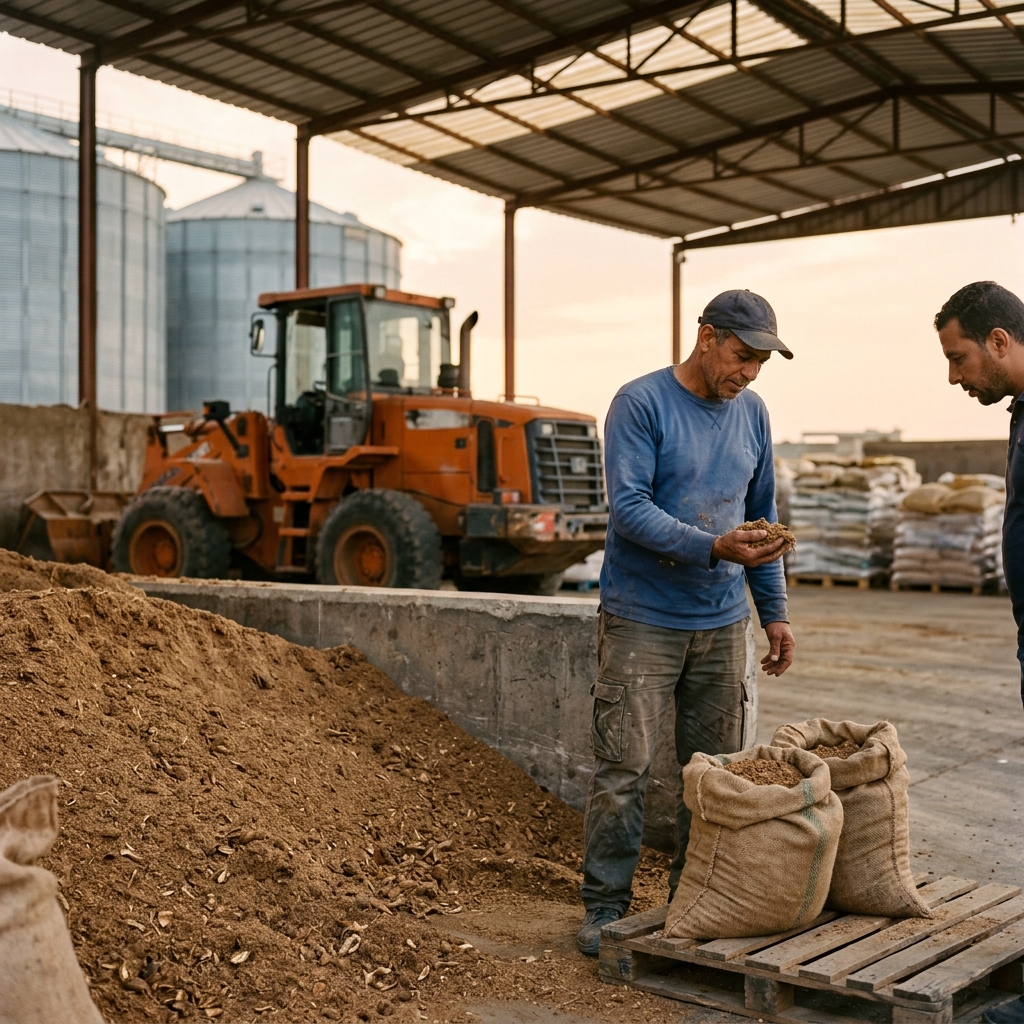
Palm Kernel Expeller Egypt: #1 Proven Feed Buyer Guide 2026
Securing high-grade Palm Kernel Expeller Egypt shipments has become a foundational priority for commercial livestock enterprises across the Nile Delta and Upper Egypt. As global feed grain markets face systemic price volatility, commercial dairy operations and feed mills require dependable, energy-dense alternative feedstuffs. This comprehensive guide outlines the technical metrics, logistical frameworks, and supply-chain strategies necessary to import premium agro-commodities directly to your production facilities.
Egypt’s livestock sector consumes over 8 million metric tons of commercial feed annually, yet traditional raw materials like imported yellow corn and soybean meal impose severe foreign-exchange burdens. Consequently, commercial operators are modernizing their rations. Transitioning to agro-industrial coproducts delivers vital metabolic energy and bypass protein while drastically stabilizing operating margins against inflationary currency swings.
What is Palm Kernel Expeller (PKE)?
Palm Kernel Expeller (PKE), also termed palm kernel meal, is the nutrient-dense byproduct generated from the mechanical crushing of oil palm seeds (Elaeis guineensis). It supplies 14% to 18% crude protein, 6% to 10% residual oil, and high digestible neutral detergent fiber, making it an exceptional energy-protein source for ruminant feeds across arid farming climates.
[Image: High-grade bulk Palm Kernel Expeller pellets ready for export shipment to Egyptian commercial feed mills | alt: Premium bulk Palm Kernel Expeller Egypt livestock feed warehouse | title: Palm Kernel Expeller Egypt Bulk Animal Feed]
Why Demand for Palm Kernel Expeller Egypt Is Surging in 2026
The operational landscape for animal husbandry in Egypt has fundamentally transformed over the past 36 months. Climatic stress, marked by prolonged summer heatwaves exceeding 42°C in the Delta, suppresses feed intake in high-yielding Holstein-Friesian herds. Nutritionists require feeds that deliver concentrated net energy for lactation (NEL) without triggering acute or subacute ruminal acidosis.
In response to these conditions, sourcing Palm Kernel Expeller Egypt supplies directly mitigates metabolic heat production during digestion. Unlike starchy grains that ferment rapidly in the rumen, the non-starch polysaccharides in PKE ferment slowly. This physiological dynamic protects rumen pH stability while sustaining high volatile fatty acid production, according to agricultural research published by the Food and Agriculture Organization (FAO).
Furthermore, macro-economic realities dictate lean purchasing policies for Egyptian feed mills. Importers who secure steady contracts for Palm Kernel Expeller Egypt bypass the severe speculative pricing common to standard grains. By integrating this byproduct into standard compound feed rations, Egyptian livestock enterprises capture tangible cost-per-ton advantages that protect balance sheets.
Shifting Away from Volatile Grain Commodities
Egyptian animal nutrition programs historically relied almost exclusively on imported yellow corn and solvent-extracted soybean meal. However, periodic supply chain interruptions through the Suez corridor and foreign currency shortages have disrupted access to these traditional ingredients. Structural shifts documented in international livestock reports by the USDA Foreign Agricultural Service confirm an escalating demand for reliable coproduct substitutes across North Africa.
Importing Palm Kernel Expeller Egypt provides buyers with a reliable buffer against commodity shocks. Leading mills in Sadat City and 6th of October City now integrate PKE at inclusion rates between 15% and 30% in dairy formulations. This substitution preserves daily milk yields while slashing gross feed expenditure by upwards of 18% per metric ton produced.
Dairy and Beef Cattle Performance in Arid Climates
Egyptian dairy producers managing desert-edge installations face severe dry-matter intake drops during summer. The natural fat content of expeller-pressed palm kernel provides concentrated calories that bypass rumen breakdown to support energy balance. Moreover, beef feedlots throughout Sharqia and Beheira report accelerated carcass conversion ratios when replacing fibrous forages with meal-based rations.
Additionally, forward-thinking dairy operations alternate their supplemental protein by incorporating Copra Meal alongside palm meal matrices. This balance balances amino acid profiles and maximizes palatable dry-matter consumption during peak lactation phases.
Mitigating Import Inflation with Palm Kernel Expeller Egypt
Commercial livestock producers in Egypt face ongoing foreign currency fluctuations that complicate raw material purchasing. Stabilizing feed input expenditures requires transitioning toward reliable, bulk byproduct feed wholesale channels that offer predictable year-round pricing. Working directly with certified Indonesian exporters allows mills to fix delivery schedules and manage cash reserves effectively.
Because expeller meal pairs exceptional bulk density with low perishability, importing operations can build reliable strategic reserves. Facilities located throughout Lower and Upper Egypt maintain multi-month stockpiles without experiencing nutrient degradation. Sourcing high-quality consignments of Palm Kernel Expeller Egypt enables commercial operations to maintain unwavering dietary consistency across volatile economic cycles.
Nutritional Breakdown: Why PKE Outperforms Traditional Forage
Precise nutritional chemistry governs the practical value of any supplemental feed ingredient. Commercial testing protocols verify that the unique fibrous profile of mechanical-expeller PKE offers functional advantages over standard solvent-extracted meals. Scientific literature accessible via ScienceDirect indicates that the insoluble hemicellulose matrix in PKE provides stable, slow-release energy ideal for commercial ruminants.
The following technical comparison illustrates the nutritional parameters of Palm Kernel Expeller relative to standard concentrates utilized across Egyptian feed mills:
| Nutrient Parameter (DM Basis) | Palm Kernel Expeller | Wheat Bran (Local) | Corn Gluten Feed (21%) | Soybean Meal (44%) |
|---|---|---|---|---|
| Crude Protein (CP) | 15.0% – 17.5% | 14.0% – 15.5% | 20.0% – 22.0% | 44.0% – 46.0% |
| Crude Fat / Residual Oil | 7.0% – 10.5% | 3.5% – 4.2% | 2.5% – 3.5% | 1.0% – 2.0% |
| Neutral Detergent Fiber (NDF) | 54.0% – 66.0% | 38.0% – 44.0% | 33.0% – 38.0% | 8.5% – 11.0% |
| Metabolizable Energy (MJ/kg ME) | 10.5 – 11.8 | 9.2 – 10.1 | 11.0 – 11.5 | 12.5 – 13.2 |
| Phosphorus (%) | 0.55% – 0.70% | 0.90% – 1.15% | 0.75% – 0.90% | 0.60% – 0.68% |
This distinct balance ensures that livestock consuming Palm Kernel Expeller Egypt rations maintain high butterfat content in their milk. While wheat bran prices fluctuate wildly across municipal Egyptian markets, consistent bulk consignments of PKE offer predictable nutrient densities that eliminate guesswork for production managers.
Fiber-to-Protein Balance for Egyptian Livestock
The physiological value of PKE stems from its cell-wall configuration. The high level of mannans and galactomannans acts as functional prebiotic fiber within the lower gastrointestinal tract. This compound promotes beneficial microbiota, improving gut integrity and suppressing enteric pathogens common in crowded feedlot environments.
Furthermore, beef producers in Upper Egypt observe superior daily live weight gains (DLWG) when utilizing rations with consistent fiber-to-protein matrices. Sourcing consistent bulk batches of Palm Kernel Expeller Egypt preserves metabolic equilibrium, preventing the acidosis-related veterinary costs that often damage thin feedlot margins.
Rumen Bypass Protein Characteristics
A significant nutritional asset of expeller-pressed palm meal is its bypass protein fraction. Approximately 30% to 40% of the crude protein escapes ruminal microbial degradation, passing directly to the abomasum and small intestine for enzymatic digestion. This biological pathway delivers essential amino acids straight to milk-synthesizing tissue without taxing the animal’s liver function.
In hot climates, excess rumen-degradable protein elevates blood urea nitrogen (BUN), wasting metabolic energy as cows expend calories expelling ammonia. Utilizing high-grade palm kernel expeller animal feed balances nitrogen retention. Dairy herds in Nubaria and Ismailia fed PKE rations show lower somatic cell counts and improved reproductive conception rates during peak summer periods.
[Image: Laboratory testing and quality verification of Palm Kernel Expeller Egypt showing protein and moisture analysis | alt: Lab testing Palm Kernel Expeller Egypt crude protein levels | title: Palm Kernel Expeller Quality Assurance Analysis]
Logistics and Quality Standards for Palm Kernel Expeller Egypt
Importing large volumes of feed ingredients into Egypt necessitates strict compliance with customs inspections, biosecurity clearances, and maritime freight scheduling. Consignments arrive primarily at Mediterranean hubs including Alexandria, El Dekheila, and Damietta, where the Central Administration of Plant Quarantine (CAPQ) enforces rigorous sanitary standards.
To avoid detention fees and customs bottlenecks, shipments of Palm Kernel Expeller Egypt must meet exact physical and chemical specifications before loading at Southeast Asian terminals. Reputable suppliers coordinate pre-shipment inspections through global testing leaders like SGS or Bureau Veritas to guarantee total conformity with national standards.
Bulk Shipment Protocols to Alexandria and Damietta Ports
Securing ocean freight across dynamic trade routes requires deep maritime expertise. Importers can choose between break-bulk charter vessels (holding 5,000 to 15,000 metric tons) or 20-foot dry containers equipped with industrial liners. While containerized freight provides modular delivery to inland locations like Tanta or Mansoura, break-bulk vessels provide the lowest landed shipping cost per ton.
Experienced shipping coordinators monitor humidity levels throughout sea transit to prevent spontaneous heating. By keeping vessel holds dry and well-ventilated, suppliers safeguard Palm Kernel Expeller Egypt consignments against fungal contamination and dry-matter shrinkage across long oceanic voyages.
Key Lab Specifications: Moisture, Aflatoxin, and Oil Content
Egyptian regulatory authorities impose zero tolerance for out-of-spec contaminants. Professional buyers evaluate each Certificate of Analysis (COA) based on the following core safety metrics:
- Moisture Content: Must remain strictly under 10.0% to prevent mold proliferation and mycotoxin formation in coastal transit.
- Crude Fat (Ether Extract): Optimal levels range between 7.0% and 9.5%, ensuring superior energy content without inducing rancidity.
- Aflatoxin B1: Must not exceed 20 ppb (parts per billion), satisfying the stringent parameters set by Egypt’s Ministry of Agriculture.
- Sand and Silica Impurities: Must test below 1.5% to protect industrial mill grinders from premature mechanical wear.
- Free Fatty Acids (FFA): Maintained below 10.0% in residual oil fractions to preserve palatability and freshness.
Consistently executing contracts that fulfill these standards protects Egyptian agribusinesses from costly vessel rejections and financial claims at the port of discharge.
Strategic Rations: How Egyptian Feed Mills Maximize Value
Formulating compound feed with Palm Kernel Expeller Egypt allows commercial mills to engineer cost-effective, high-performing livestock diets. Due to its medium protein concentration and favorable fiber profile, PKE acts as both an energy contributor and a functional bulk forage extender.
To capture optimum economic value from this ingredient, mill formulators follow a structured, multi-step integration strategy:
- Baseline NIR Testing: Conduct instant near-infrared spectroscopy on all inbound deliveries to verify baseline protein, fiber, and moisture levels before intake.
- Grinding Optimization: Screen expeller meal through 4.0mm to 5.0mm hammer mill screens to establish consistent particle size and eliminate coarse pellet debris.
- Gradual Inclusion Ramping: Phase PKE into dairy rations over a 14-day acclimation schedule, starting at 5% and advancing to 20% total dry matter.
- Strategic Calcium Supplementation: Balance PKE’s naturally high phosphorus-to-calcium ratio by adding agricultural limestone at a 1.5:1 stoichiometric target.
- Pelleting Conditioning: Maintain steam conditioning temperatures between 75°C and 80°C to activate natural binders and maintain high pellet durability indices (PDI).
Executing this structured workflow ensures seamless feed processing, prevents digestive refusal, and maximizes the economic return on every metric ton of Palm Kernel Expeller Egypt received.
[Video Embed: Technical processing and hammer mill grinding protocols for commercial palm meal in animal feed mills | title: Industrial Processing of Palm Kernel Expeller for Feed Formulations]
Cost-Efficiency Benchmarks for Palm Kernel Expeller Egypt
The core justification for incorporating PKE into commercial diets remains its unmatched cost-per-unit-of-protein and net-energy advantage. Modern least-cost linear feed formulation software (such as Format or Brill) continuously ranks Palm Kernel Expeller Egypt among the most economical bulk ingredients available in the Mediterranean basin.
Feed manufacturers who combine PKE with targeted bypassed lipid complexes, such as Calcium Salts of Palm Oil Fatty Acids, build high-performance rations tailored for peak thermal stress periods. This advanced dietary architecture stabilizes production outputs while protecting your enterprise against extreme grain market spikes.
Sourcing from Trusted Exporters: Indonesia to the Nile Delta
A reliable supply chain depends entirely on the financial integrity and technical capability of your primary origin exporter. Indonesia stands as the global epicentre of sustainable palm cultivation, producing over 55% of the planet’s total supply under strict sustainability frameworks backed by the World Bank trade indices.
Securing direct origin contracts for Palm Kernel Expeller Egypt eliminates unnecessary intermediaries, guarantees rigorous traceability, and ensures reliable cargo volumes. Beyond livestock nutrition, seasoned origin processors supply complementary industrial biomass commodities, including export-grade Palm Kernel Shell and horticultural Cocopeat substrates, providing total agricultural solutions for regional commercial processors.
When selecting your origin export partner, demand comprehensive supply verification, clear vessel stowage documentation, and reliable export banking facilities. Working with trusted processors gives commercial Egyptian buyers a distinct strategic edge over regional market competitors.
[Image: Infographic diagram detailing the import logistics chain of Palm Kernel Expeller Egypt from Indonesian ports to Alexandria harbor | alt: Supply chain roadmap for Palm Kernel Expeller Egypt | title: Indonesia to Egypt Palm Kernel Expeller Logistics Map]
Makmur Amanah Sejahtera provides high-quality palm products such as Palm Kernel Expeller, Palm Kernel Shell, Crude Palm Oil, Palm Kernel Oil, etc. Kindly contact us at WhatsApp +6282140002198 or email us at admin@makmuramanah.co.id.
Frequently Asked Questions
What is the optimal inclusion rate of Palm Kernel Expeller in Egyptian dairy feeds?
The optimal inclusion rate for lactating dairy cows ranges between 15% and 25% of dry-matter intake. When balanced correctly for calcium, Palm Kernel Expeller Egypt provides sustained butterfat yields and stabilizes rumen pH during hot summer seasons without reducing feed intake.
How long does shipping take from Indonesia to Alexandria or Damietta Port?
Ocean transit times from Indonesian export terminals to Alexandria or Damietta span roughly 22 to 28 days. Working with verified maritime freight partners ensures continuous cargo ventilation, preventing moisture accumulation and preserving nutritional quality across the Indian Ocean and Suez transit corridors.
What phytosanitary standards apply when importing Palm Kernel Expeller to Egypt?
Egyptian import regulations require certified phytosanitary clearance confirming consignments are free from noxious weeds, storage pests, and fungal infections. Deliveries must verify strict compliance with legal limits, specifically maintaining moisture levels below 10% and total aflatoxin concentrations under 20 ppb.
Can Palm Kernel Expeller be fed to poultry or aquaculture species in Egypt?
Yes, PKE can be integrated into poultry and tilapia diets at modest inclusion rates of 3% to 7%. Because monogastric animals cannot easily digest beta-mannans, commercial mills must supplement compound diets with exogenous mannanase enzyme complexes to unlock its full caloric energy value.
Why is expeller-pressed palm meal superior to solvent-extracted meal for Egyptian livestock?
Mechanical expeller pressing retains 7% to 10% residual palm oil, delivering dense energy and essential fatty acids to livestock. Conversely, solvent extraction removes virtually all lipids, forcing Egyptian feed mills to buy expensive external vegetable oils to match the same caloric dietary density.
Conclusion: Securing Your 2026 Feed Supply Chain
Navigating global agricultural volatility requires commercial agility and disciplined procurement standards. Incorporating high-grade Palm Kernel Expeller Egypt into your livestock and feed mill formulations provides immediate insulation against rising corn and soy expenses while protecting animal performance in arid environments. From superior rumen fermentation stability to substantial cost-per-ton savings, PKE is a proven nutritional asset for modern Egyptian agribusiness.
By partnering with established direct origin exporters, livestock operators throughout Egypt secure verified nutritional consistency, dependable shipping logistics, and full regulatory compliance on every vessel. Act today to lock in your forward contracts and transform your production economics: investing in high-grade Palm Kernel Expeller Egypt unlocks unprecedented livestock productivity.
[Image: Commercial dairy farm in Egypt efficiently feeding high-performance cattle using Palm Kernel Expeller feed rations | alt: Egyptian dairy herd feeding on Palm Kernel Expeller Egypt compound rations | title: Dairy Livestock Feeding Palm Kernel Expeller Egypt]


 English
 Indonesian
 Chinese
 Arabic
