
GACC Approved Palm Kernel Expeller: 5 Proven Rules (2026)
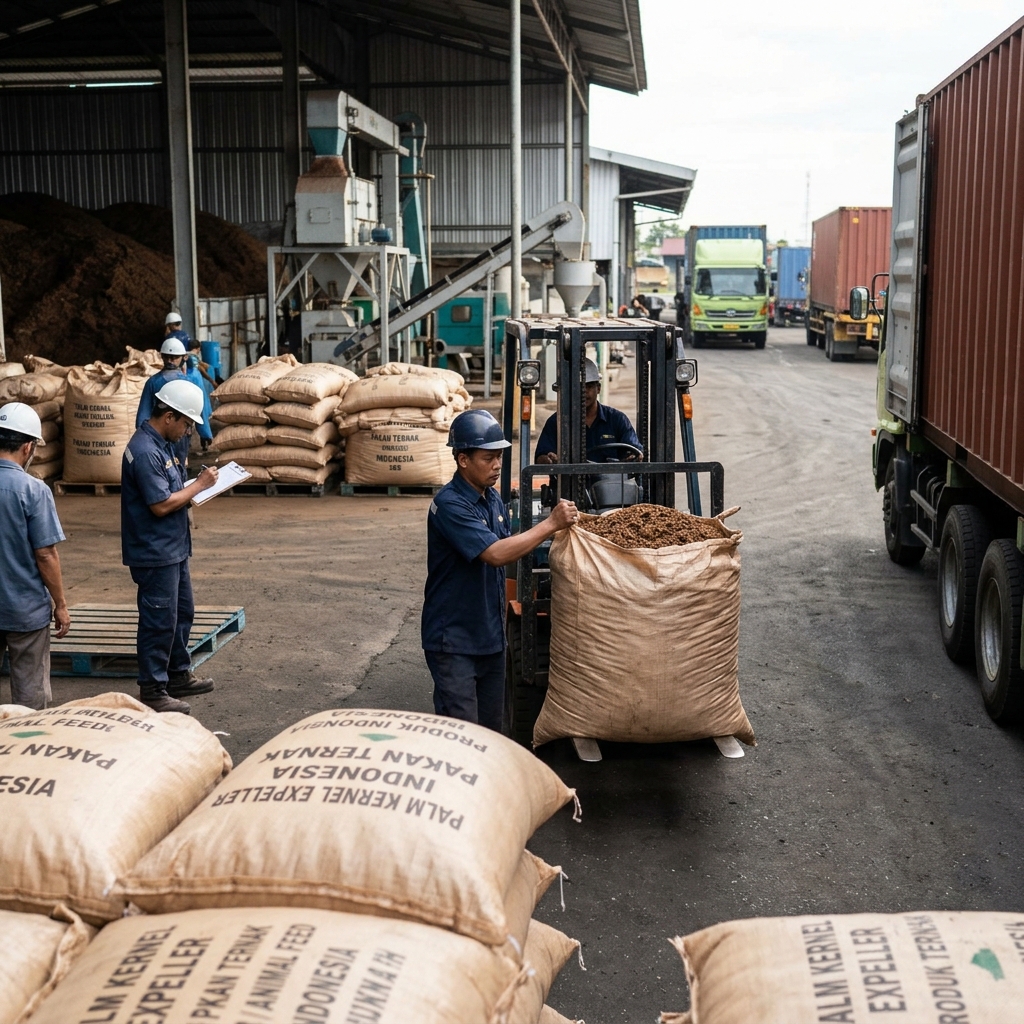
Procuring GACC approved Palm Kernel Expeller from Indonesia requires navigating strict biosecurity protocols, quality benchmarks, and international trade compliance. As China continues expanding its livestock feed security initiatives in 2026, palm kernel expeller (PKE) has become an indispensable energy and protein component for cattle and dairy rations across Guangdong, Shandong, and Fujian provinces. However, non-compliant shipments face severe quarantine rejections at Chinese arrival ports.
According to data from the USDA Foreign Agricultural Service, China’s total demand for alternative feed protein concentrates continues to grow steadily. Indonesia produces over 55% of the global palm kernel expeller supply, making it China’s primary trade corridor for this economical feed ingredient. Navigating General Administration of Customs of China (GACC) regulations demands clear understanding of Decree 248, production sanitation, and mandatory lab tests.
This authoritative guide details the complete procurement, technical specification, and export roadmap for Chinese importers, feed mills, and international traders looking to source verified, top-tier Indonesian PKE with seamless customs entry.
What Is GACC Approved Palm Kernel Expeller?
GACC approved Palm Kernel Expeller is mechanically extracted palm nut residue produced exclusively by an Indonesian crushing facility officially registered under China’s General Administration of Customs Decree 248. This legal certification guarantees that the animal feed ingredients satisfy mandatory Chinese biosecurity, traceability, processing sanitation, and mycotoxin safety standards.

During the mechanical extraction of crude palm kernel oil from the palm nut kernel, the remaining solid cake forms palm kernel expeller. Feed formulators value this meal for its balanced crude protein content, moderate fat level, and high neutral detergent fiber (NDF). These properties make it an exceptional feed ingredient for dairy cattle, beef cattle, and sheep rations.
Unregistered facilities cannot legally clear goods through Chinese ports. Importers sourcing unregistered cargo face port confiscation, mandatory re-exportation, or complete cargo destruction upon arrival at major ports such as Qingdao, Tianjin, or Guangzhou.
GACC Decree 248 and 249 Compliance for Indonesian Mills
In recent years, China unified foreign food and agricultural feed registration through GACC Decree 248 and Decree 249. These measures establish a comprehensive supervision mechanism covering overseas manufacturing enterprises from raw nut handling down to container sealing.
Every Indonesian palm oil mill must obtain direct recommendation from the Indonesian Quarantine Authority (Barantin) before submitting documentation via the official China Import Food Enterprise Registration (CIFER) platform. The audit examines pest management, storage hygiene, salmonella prevention, and thermal kill steps during pressing.
Registration Steps for GACC Approved Palm Kernel Expeller Facilities
Obtaining and maintaining approval requires rigorous oversight. Foreign buyers should always verify whether a prospective supplier holds an active registration number through these verification checkpoints:
- Facility Pre-Inspection: The Indonesian Agricultural Quarantine Agency inspects the palm kernel crushing facility to confirm pest-free storage, absence of birds or rodents, and closed-loop conveying systems.
- Bilateral Dossier Submission: Barantin submits the plant evaluation report to Beijing customs authorities under the harmonized commodity code HS 2306.60.
- CIFER Listing: GACC reviews documentation and publishes the facility’s 18-digit enterprise registration code on the official single-window system.
- Batch Testing Protocols: Every production batch undergoes microbiological and chemical checks to eliminate mycotoxins and heavy metal residue.
- Annual Re-evaluation: Indonesian authorities conduct scheduled audits to confirm continuous compliance with Chinese sanitary guidelines.
Working directly with verified processors of GACC approved Palm Kernel Expeller eliminates shipment delays and administrative penalties during clearance.
CIFER Verification Protocols for Chinese Feed Mill Buyers
Chinese commercial buyers must cross-check their supplier’s credentials on the official customs portal before executing financial contracts. Navigate to the overseas registered feed enterprise catalog on the single-window system and input the mill’s legal name.
Ensure that the manufacturer holds registration specifically under tariff line 2306.60. If the registration status displays expired, suspended, or altered trade scopes, Chinese customs will immediately flag the bill of lading upon arrival.
Nutritional Profile and Specifications of GACC Approved Palm Kernel Expeller
Indonesian palm kernel expeller features a consistent nutritional profile when processed under controlled mechanical pressing conditions. Unlike solvent-extracted palm kernel meal (PKM), expeller meal retains residual oil that enhances total digestible nutrients (TDN) for ruminants.
Peer-reviewed animal science research published in the Journal of Animal Science highlights that PKE provides safe, non-acidotic energy due to its low starch and rich fermentable hemicellulose composition. This metabolic feature makes it optimal for intensive feedlot and commercial dairy operations.

Below is a comparative breakdown of Indonesian PKE against alternative oilseed meals commonly utilized in Asian livestock feed blending:
| Nutritional Component | Palm Kernel Expeller (PKE) | Copra Meal | Soybean Meal (46%) |
|---|---|---|---|
| Crude Protein (CP) | 14.0% – 18.0% | 20.0% – 22.0% | 45.0% – 48.0% |
| Crude Fat (Ether Extract) | 7.0% – 10.0% | 8.0% – 11.0% | 1.0% – 2.0% |
| Crude Fiber (CF) | 13.0% – 16.0% | 11.0% – 13.0% | 3.5% – 6.0% |
| Moisture Content | < 10.0% | < 11.0% | < 12.0% |
| Aflatoxin B1 | < 20 ppb (GACC Standard) | < 30 ppb | < 20 ppb |
| Energy (ME Ruminant) | 10.5 – 11.2 MJ/kg | 11.0 – 11.5 MJ/kg | 12.5 – 13.2 MJ/kg |
While soybean meal offers higher crude protein content, its cost per protein unit remains elevated. Blending PKE with complementary ingredients like Copra Meal creates balanced ruminant formulations that cut total feed expenditure without sacrificing daily liveweight gain.
For high-yield dairy herds, integrating energy-dense ingredients like Calcium Salts of Palm Oil Fatty Acids alongside GACC-certified palm expeller ensures balanced rumen function and elevated milk fat synthesis.
Ruminant Nutrition Benefits in Beef and Dairy Feedlot Rations
Optimizing ruminant nutrition requires a delicate balance between rumen degradable protein and structural carbohydrates. Incorporating GACC approved Palm Kernel Expeller provides a slow-release carbohydrate matrix that buffers the rumen against subacute ruminal acidosis (SARA).
Beef cattle feedlots in northern China incorporate up to 30% PKE into daily dry matter rations. This inclusion level supports uniform marbling, enhances rumen microbial protein synthesis, and sustains predictable average daily gain (ADG) throughout fattening cycles.
Safety Parameters: Aflatoxin B1 and Heavy Metal Thresholds
China applies some of the world’s strictest sanitary ceilings for imported feedstuffs under National Standard GB 13078. Exporters of GACC approved Palm Kernel Expeller must verify that aflatoxin B1 remains strictly beneath 20 micrograms per kilogram.
Additionally, port laboratories analyze every incoming parcel for toxic heavy metals. Shipments must not exceed 2.0 ppm for lead, 0.5 ppm for cadmium, and 0.1 ppm for mercury. Qualified Indonesian suppliers operate indoor cooling bays to prevent mold blooms before vessel loading.
Mandatory Export Documentation for China Customs Clearance
Smooth clearance across Chinese sea borders requires uncompromising documentation accuracy. A single typographical discrepancy between the bill of lading and the customs declaration will trigger administrative holds.
Exporters of GACC approved Palm Kernel Expeller must provide the following certified documents before cargo arrival:
- Electronic Phytosanitary Certificate: Issued by the Indonesian Quarantine Authority, stating freedom from dangerous pests such as Trogoderma granarium (khapra beetle) and noxious weed seeds.
- Certificate of Origin (Form E): Validates Indonesian provenance under the ASEAN-China Free Trade Agreement (ACFTA), granting zero-tariff import preference into China.
- Certificate of Analysis (COA): Details moisture, protein, ash, sand/silica, heavy metals (lead, arsenic, mercury, cadmium), and aflatoxin levels.
- GACC Enterprise Registration Declaration: Explicitly lists the Chinese customs registration code on the invoice, packing list, and phytosanitary declaration.
- Non-GMO Certificate: Verifies that the palm kernel meal originates from natural, non-genetically modified Elaeis guineensis palms.
- Fumigation and Cleanliness Certificate: Confirms aluminum phosphide treatment and verifies cargo holds or shipping containers are free of animal waste and biological contaminants.
Moreover, suppliers must ensure product packaging includes bilingual outer labels (English and Mandarin) showing the registration number, product designation, manufacturing date, and batch code.
Managing Customs Declarations and CIQ Port Inspections
When importing palm kernel expeller into China customs clearance authorities initiate mandatory China Inspection and Quarantine (CIQ) inspections. Port officers draw composite samples from hold layers to evaluate insect activity and seed hygiene.
Submitting the preliminary declaration through the single-window platform 48 hours prior to vessel berthing speeds up quarantine releases. Experienced traders pair their electronic documents with pre-cleared laboratory test certificates to clear quarantine docks in under five business days.
Breakbulk vs Container Shipping: Logistics from Indonesia to China
Buyers can arrange logistics via breakbulk charter vessels or containerized (FCL) shipments depending on their distribution model and receiving port facilities.
Large agribusiness conglomerates in northern China typically prefer breakbulk handysize vessels (15,000 to 30,000 metric tons). This approach minimizes per-ton freight rates from Indonesian origin ports like Belawan, Dumai, or Panjang straight to primary Chinese ports such as Rizhao, Nantong, or Qingdao.
Conversely, medium feed millers and regional livestock cooperatives prefer shipping in 20-foot sea containers lined with food-grade dry bulk liners or 50-kilogram woven PP bags. Container logistics prevent transit moisture re-absorption and facilitate distributed regional logistics along inland waterways.
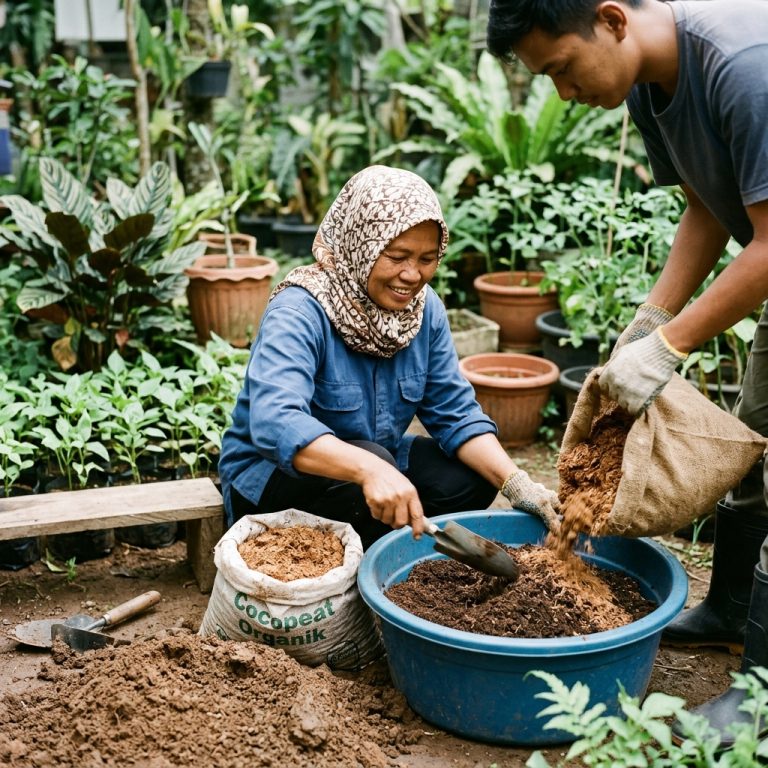
Besides animal feed by-products, international shipping companies frequently bundle PKE shipments with renewable biomass like Palm Kernel Shell to maximize freight efficiency on return runs to East Asia. Agricultural trading houses also combine shipments with horticulture substrates like Cocopeat and processed fractions like RBD CP8 to fill multi-commodity trade contracts.
5 Proven Rules to Source GACC Approved Palm Kernel Expeller
Sourcing directly from origin requires thorough due diligence to avoid intermediary markups and uncertified batches. Professional buyers should adopt several operational best practices when engaging Indonesian suppliers.

Follow these essential vetting measures before finalizing long-term off-take contracts:
- Rule 1: Authenticate the CIFER Code: Check the overseas producer listing on the official GACC website to confirm the registration status is valid for HS code 2306.60.
- Rule 2: Demand Pre-Shipment Independent Inspection: Engage accredited surveyors like SGS, Sucofindo, or Surveyor Indonesia to test moisture, protein, and free fatty acids (FFA) at loading port.
- Rule 3: Enforce Strict Moisture and Aflatoxin Controls: Ensure the supplier employs indoor dry warehousing and climate-controlled silo storage. Tropical humidity can rapidly trigger fungal growth if expeller stays unventilated.
- Rule 4: Specify Shell and Foreign Matter Thresholds: High shell content lowers energy density and causes digestive abrasion in young cattle. Keep total shell and dirt fractions strictly below 5.0%.
- Rule 5: Establish Clear Incoterms: Execute purchasing agreements under CIF (Cost, Insurance, and Freight) or CFR (Cost and Freight) with established demurrage benchmarks for Chinese discharge ports.
By enforcing these supplier verification standards, commercial feed companies protect both their legal compliance and the productivity of their livestock herds.
How to Export Palm Kernel Expeller to China 2026 Checklist
Understanding how to export palm kernel expeller to China 2026 requires strict adherence to seasonal trade windows and bilateral maritime protocols. The Indonesian palm kernel expeller price per ton fluctuates with global soybean meal futures and crude palm oil export levies.
Connecting with established GACC registered palm kernel meal suppliers Indonesia ensures that product specifications match your contracted parameters. Consistent communication between loading port dispatchers and Shanghai customs brokers prevents demurrage charges and logistical bottlenecks.
Makmur Amanah Sejahtera provides high-quality palm products such as Palm Kernel Expeller, Palm Kernel Shell, Crude Palm Oil, Palm Kernel Oil, etc. Kindly contact us at WhatsApp +6282140002198 or email us at admin@makmuramanah.co.id.
Frequently Asked Questions About GACC Approved Palm Kernel Expeller
What is the HS Code for exporting Palm Kernel Expeller to China?
The standard internationally recognized Harmonized System (HS) code for palm kernel expeller and palm kernel meal is 2306.60. Chinese customs declarations classify this commodity under tariff code 2306.60.0000 for oilcake and other solid residues resulting from palm nut extraction without exceptions.
How can I verify if an Indonesian mill is GACC approved?
Importers verify registered suppliers by visiting the official China Import Food Enterprise Registration (CIFER) single window online directory. Search under registered overseas feed processing enterprises using the facility’s Indonesian corporate name or its assigned 18-character GACC registration number before issuing purchase contracts.
What is the maximum allowable moisture content for PKE imported into China?
GACC regulations and Chinese national feed safety standards (GB 13078) require that imported palm kernel expeller contains no more than 10.0% moisture. Cargo exceeding this limit risks self-heating, spontaneous combustion during ocean voyage, and rapid aflatoxin multiplication while inside vessel holds.
Are Indonesian PKE shipments subject to import tariffs in China?
Under the ASEAN-China Free Trade Area (ACFTA) framework, qualified palm kernel expeller originating from Indonesia enters China with a 0% preferential tariff rate. Importers must present a certified electronic Form E Certificate of Origin issued by Indonesian trade authorities to claim this duty exemption.
What are the critical mycotoxin limits enforced by Chinese customs?
China strictly enforces an aflatoxin B1 ceiling of no more than 20 micrograms per kilogram (20 ppb) for unprocessed feed materials. Port quarantine officers routinely sample incoming containers, and lots exceeding this legal threshold face automatic rejection, re-exportation, or complete incineration.

Conclusion: Securing Your Supply of GACC Approved Palm Kernel Expeller
Securing a reliable, high-grade volume of GACC approved Palm Kernel Expeller from Indonesia in 2026 offers feed producers a distinct commercial and nutritional advantage. With protein meal markets experiencing persistent volatility, PKE delivers consistent fiber and energy metrics that optimize total ration economics across beef, dairy, and sheep operations.
Success in this trade hinges on regulatory diligence, strict chemical and physical quality compliance, and trustworthy production partners on the ground in Sumatra and Kalimantan. By choosing certified producers who respect international trade standards, Chinese importers maintain uninterrupted supply chains while meeting all General Administration of Customs protocols.
When you are ready to contract top-tier palm by-products, partnering with certified Indonesian suppliers guarantees complete traceability from pressing plant to discharge dock.
 English
 Indonesian
 Chinese
 Arabic
