

Palm Kernel Expeller Egypt procurement specialists face tightening supply margins and fluctuating global ocean freight rates across Mediterranean trade corridors. Commercial livestock operators, dairy cooperatives, and commercial feed compounders across the Nile Delta constantly seek protein-rich, energy-dense feed ingredients that safeguard operating profit margins against surging grain volatility.
According to data tracked by the Food and Agriculture Organization (FAO), Egypt imports over 60% of its raw feed grains annually, leaving domestic livestock producers exposed to international foreign exchange pressure. Introducing high-performance palm by-products solves these nutritional and budgetary challenges simultaneously.
This authoritative technical guide breaks down everything commercial feed millers and feed importers need to know regarding technical specifications, competitive landing costs, shipping logistics via Alexandria and Port Said, and verified sourcing strategies for high-grade Indonesian meal.
Understanding Palm Kernel Expeller Egypt Nutritional Specifications
Palm Kernel Expeller (PKE), also widely categorized as palm kernel meal (PKM), represents the nutrient-dense co-product obtained during the mechanical extraction of oil from crushed palm kernels. Unlike chemically extracted meals that utilize harsh solvent chemicals, mechanical pressing preserves critical lipids, fat-soluble nutrients, and essential metabolizable energy values.
Egyptian compounders prioritize PKE primarily for its balanced amino acid profile and high Neutral Detergent Fiber (NDF), which stimulates healthy rumination in dairy cattle and sheep. Furthermore, its moderate crude protein concentration functions seamlessly as an economical extender for traditional soybean meal.
Before issuing irrevocable Letters of Credit (LCs), Egyptian importers must verify that cargo meets stringent national quarantine parameters enforced by the General Organization for Export and Import Control (GOEIC).
Standard Commercial Specifications for Palm Kernel Expeller Egypt Shipments
To ensure high feed conversion ratios (FCR) and prevent digestive acidosis across herds, feed formulators require consistent batches. Below are standard export benchmarks observed across top-tier Indonesian processing facilities:
| Nutritional Parameter | Typical Export Range (%) | Guaranteed Minimum / Maximum |
|---|---|---|
| Crude Protein (CP) | 15.0% – 17.5% | Min 14.5% |
| Crude Fat (Ether Extract) | 7.5% – 10.5% | Min 7.0% (Mechanical Process) |
| Moisture Content | 8.0% – 11.0% | Max 12.0% |
| Crude Fiber (CF) | 14.0% – 18.0% | Max 18.0% |
| Total Ash Content | 3.5% – 5.5% | Max 6.0% |
| Sand & Silica | 0.5% – 1.2% | Max 2.0% |
| Aflatoxin Level | < 20 ppb | Max 20 ppb (Strict EU/EG Standard) |
Reputable suppliers rigorously test for residual sand contamination. High silica ratios degrade automated pelleting dies and compromise intestinal health across ruminant herds.
Analyzing Palm Kernel Meal Specifications for Feed Formulation
Precision feed millers in Cairo and Alexandria must review laboratory analysis sheets before blending batches. The amino acid profile of mechanical expeller contains reliable levels of methionine, cystine, and lysine that complement grain-based feed matrices.
Because the mechanical extraction leaves a significant proportion of oil, the gross energy value typically exceeds 17.5 MJ/kg. Ruminant nutritionists calculate metabolizable energy (ME) at approximately 10.5 to 11.5 MJ/kg dry matter, giving it a marked nutritional advantage over plain wheat bran.
Benefits of Palm Kernel Expeller in Egyptian Livestock Diets
Egypt’s arid climate creates acute natural pasture shortages, forcing ruminant operations to rely on commercial mixed rations. Incorporating certified Palm Kernel Expeller Egypt livestock managers trust provides distinct physiological advantages across cattle, water buffalo, and sheep herds.
First, the meal provides abundant rumen-degradable crude protein alongside a considerable bypass protein fraction. Academic research published in the Journal of Animal Feed Science and Technology confirms that bypass proteins improve nitrogen retention while boosting milk yields in intensive dairy setups.
Second, the residual oil concentration delivers dense digestible energy without elevating starch concentrations. High starch diets frequently provoke subacute ruminal acidosis (SARA). In contrast, PKE energy relies on healthy medium-chain triglycerides (MCTs), which dairy herds utilize efficiently during peak lactation phases.
Third, combining this material with complementary feedstuffs like fiber-rich Copra Meal creates a stable, balanced carbohydrate base. Many producers also utilize horticultural substrates such as washed Cocopeat to improve bedding hygiene and comfort inside intensive feedlots.
Infographic Overview: Rumen Degradation & Nutrient Pathway of PKE
Visual Wireframe: Graphical flowchart showing the mechanical extraction process of palm fruit kernels transitioning into mechanical expeller, highlighting bypass protein absorption in the small intestine versus microbial fermentation in the rumen, illustrating enhanced milk solids in Egyptian dairy operations.
Price per Ton Breakdown for Palm Kernel Expeller Egypt (2026 Projections)
Understanding the pricing mechanics of Palm Kernel Expeller Egypt contracts requires analyzing international commodity benchmarks, marine logistics, and landing tariffs. According to global agricultural commodity metrics published by the World Bank, freight volatility and energy prices shape import parity throughout developing regions.

As of 2026, raw FOB prices out of Belawan or Dumai, Indonesia, hover between $135 and $160 per metric ton for bulk meal. However, Egyptian buyers purchase on a Cost, Insurance, and Freight (CIF) basis. Freight rates to Alexandria, Damietta, or Port Said directly dictate final inventory costs.
Current Estimated CIF Alexandria Feed Prices Breakdown
To evaluate import budgets accurately, purchasing directors must review landed line items. Below is an approximate cost waterfall reflecting current commercial market realities for Egyptian feed millers:
- FOB Indonesia Baseline: $140.00 – $155.00 / MT
- Ocean Freight (Bulk Carrier 15,000–25,000 MT): $45.00 – $65.00 / MT
- Ocean Freight (20ft FCL Containerized Bags): $75.00 – $95.00 / MT
- Marine Cargo Insurance (All Risks Institute Cargo Clauses A): $1.50 – $2.50 / MT
- Estimated CIF Egyptian Mediterranean Ports: $195.00 – $245.00 / MT
In addition to ocean freight shifts, buyers must budget for local customs clearing fees, value-added taxes, quarantine testing vouchers, and truck transport to inland mills in El Sharkia, Dakahlia, or Beheira.
Step-by-Step Logistics: Importing Bulk Feed Ingredients into Egypt
Importing large shipments of animal feed ingredients into Egypt involves clear regulatory protocols. Missing mandatory documentation quickly escalates demurrage charges at Egyptian maritime terminals.
- Regulatory Registration: The importing entity must maintain active registration with the Egyptian Ministry of Agriculture and Land Reclamation (MALR) as a recognized feed importer.
- ACI System Filing: Egyptian customs enforce the Advanced Cargo Information (ACI) protocol via the Nafeza digital trade portal. Suppliers must register transactional invoices and Bill of Lading manifests to secure an ACID number prior to vessel departure.
- Phytosanitary & Lab Clearances: Indonesian phytosanitary agencies issue certificates guaranteeing that the cargo remains free of quarantine pests, live weevils, and dangerous microbiological contaminants.
- Independent Pre-Shipment Inspection: Certified surveyor firms like SGS, Sucofindo, or Intertek verify weight tallies, sampling moisture profiles, and aflatoxin thresholds directly at loading berths.
- Customs Cleared Discharge: Upon arrival in Alexandria or Port Said, agricultural quarantine inspectors draw representative samples before greenlighting bulk discharging onto trucks or quayside storage silos.
Choosing containerized shipments (packed in 50kg PP bags inside standard 20-foot dry containers) offers smaller feed mills maximum flexibility, preventing product moisture spoilage during prolonged storage.
Video Reference: Mechanical Crushing & Bulk Loading Protocol
Video Embed: Explanatory walkthrough documenting how high-grade mechanical palm expeller is processed, sifted, aerated, and packed into dry containers at Indonesian export hubs to protect moisture integrity during maritime export.
Evaluating Feed Efficiency: PKE vs. Alternative Animal Feed Proteins
Feed compounders constantly measure the cost per unit of crude protein to optimize their production formulas. While soybean meal dominates traditional recipes, its inflated cost forces feed mills to reassess raw material selections.
When balanced against alternative local choices like wheat bran (Ridda) or imported distillers dried grains (DDGS), palm kernel meal presents a distinct economic edge. Its steady fiber digestion prevents rapid fermentation, which stabilizes the microbial population within the animal’s digestive tract.
| Feed Ingredient | Crude Protein (%) | Metabolizable Energy (MJ/kg) | Key Advantage for Egyptian Herds |
|---|---|---|---|
| Palm Kernel Expeller | 15.0% – 17.5% | 10.5 – 11.5 | High bypass fat, acidotic safety, economical pricing |
| Wheat Bran (Local Ridda) | 13.0% – 15.0% | 9.0 – 9.8 | Local availability, rapid rumen fermentation |
| Soybean Meal (44% CP) | 44.0% – 48.0% | 12.5 – 13.2 | High protein concentration, premium foreign exchange cost |
| Corn DDGS | 26.0% – 28.0% | 11.8 – 12.5 | High yeast protein, susceptible to mycotoxin spikes |
Furthermore, farms with high-yielding dairy cattle can blend mechanical palm expeller with bypass fat supplements like Calcium Salts of Palm Oil Fatty Acids. This combined nutritional strategy elevates milk butterfat percentages while preventing the postpartum body condition loss frequently observed in high-producing cows.
How to Identify a Dependable International Palm Expeller Supplier
The global feed market includes many opportunistic brokers who lack direct access to fresh, mechanically processed raw materials. Working with unverified traders risks receiving rancid, stale, or mold-contaminated expeller shipments.
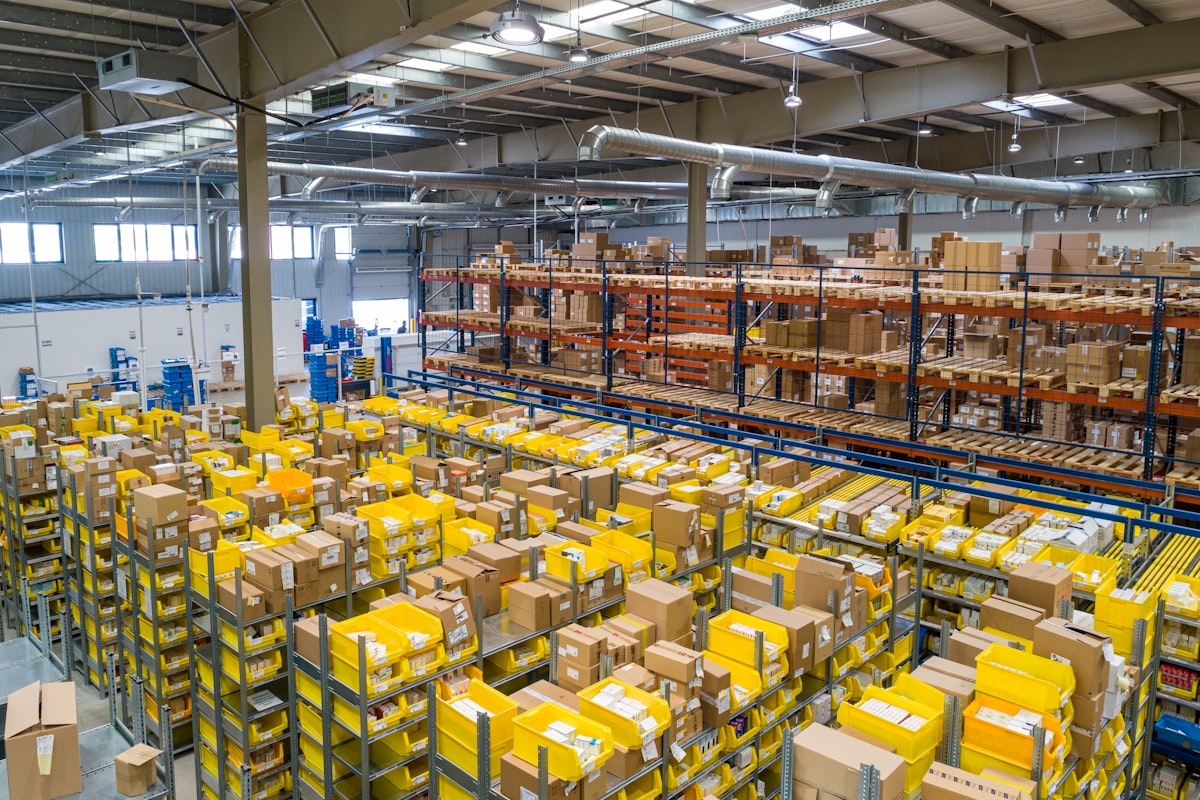
When sourcing cargo for the Egyptian market, prioritize long-term direct exporters who control their own milling and processing operations. Verified processors enforce rigorous moisture controls below 10%, which prevents dangerous self-heating during long voyages through the Suez Canal or Mediterranean transit lanes.
Industrial operations seeking diversified sustainable energy feedstocks also benefit from establishing relations with integrated suppliers. The same processors providing feed meals frequently export premium biomass products, such as calorific Palm Kernel Shell, used across commercial boiler and cement kiln installations worldwide.
Makmur Amanah Sejahtera provides high-quality palm products such as Palm Kernel Expeller, Palm Kernel Shell, Crude Palm Oil, Palm Kernel Oil, etc. Kindly contact us at WhatsApp +6282140002198 or email us at admin@makmuramanah.co.id.
Looking for High-Quality Palm Products?
Frequently Asked Questions
What is the optimal inclusion rate of PKE in dairy cow rations?
Commercial dairy nutritionists recommend introducing Palm Kernel Expeller gradually into feed formulations, reaching between 15% to 30% of total dry matter intake. This level promotes stable rumen fermentation and enhances milk fat concentration without reducing overall feed intake.
How does Palm Kernel Expeller compare to Copra Meal for beef cattle fattening?
Palm Kernel Expeller offers higher crude fiber and slower carbohydrate release, which protects fattening steers against ruminal bloat and metabolic disorders. Copra meal provides higher crude protein (typically 20% to 22%), making a balanced blend of both ingredients an efficient feeding strategy.
What customs documents are required to import PKE into Egypt?
Shipments require a Valid ACID Number (Nafeza platform), Commercial Invoice, Clean Bill of Lading, Certificate of Origin, Phytosanitary Certificate issued by the exporting nation, and an independent Laboratory Certificate of Analysis detailing crude protein, moisture, and aflatoxin levels.
Why is mechanical expeller preferred over solvent-extracted palm kernel meal?
Mechanical expeller retains between 7% to 10% residual crude palm fat, providing substantially higher metabolizable energy per kilogram. In contrast, solvent extraction strips residual lipids down to 1% to 2%, requiring compounders to purchase expensive external fats to match energy values.
Can Egyptian aquaculture operations incorporate palm kernel expeller?
Because of high crude fiber concentrations, commercial aquaculture operations in Kafr El Sheikh limit PKE inclusion to modest amounts (3% to 7%) in tilapia rations, whereas ruminant operations utilize substantially higher proportions without digestive limitation.
Conclusion: Securing Dependable Palm Kernel Expeller Egypt Shipments

Navigating volatile commodity markets requires actionable procurement insight and dependable supply-chain partnerships. Integrating high-grade mechanical expeller into local formulations allows Egyptian commercial operations to mitigate costly feed overheads without sacrificing livestock performance.
Whether you require standard 20-foot dry containers or dedicated handysize bulk vessels destined for Alexandria or Port Said, securing consistent nutritional parameters remains essential. Contracting verified Palm Kernel Expeller Egypt supplies directly from source mills guarantees competitive landed pricing, rigorous aflatoxin compliance, and uninterrupted seasonal feed supply.

 English
 Indonesian
 Chinese
 Arabic
