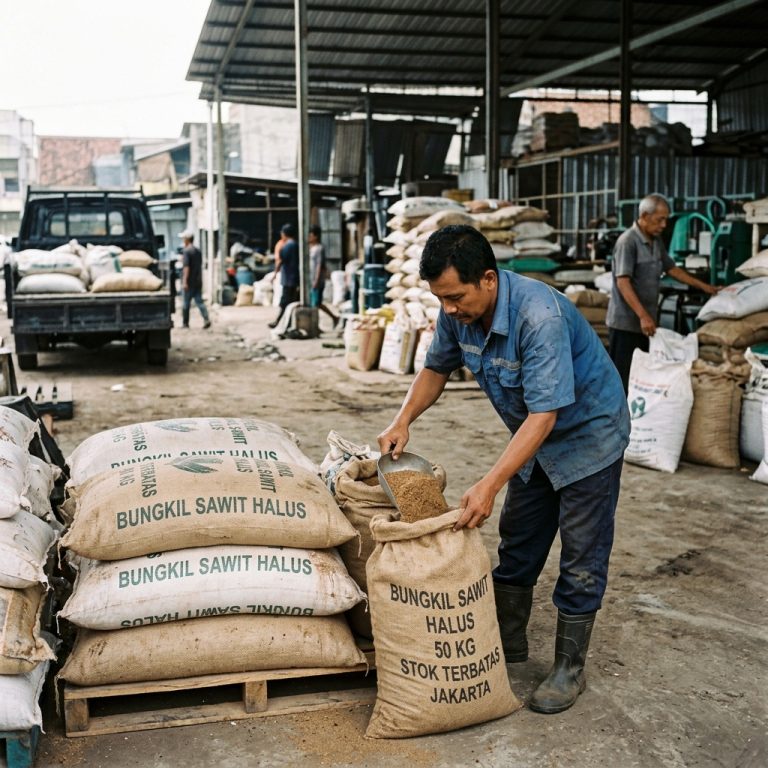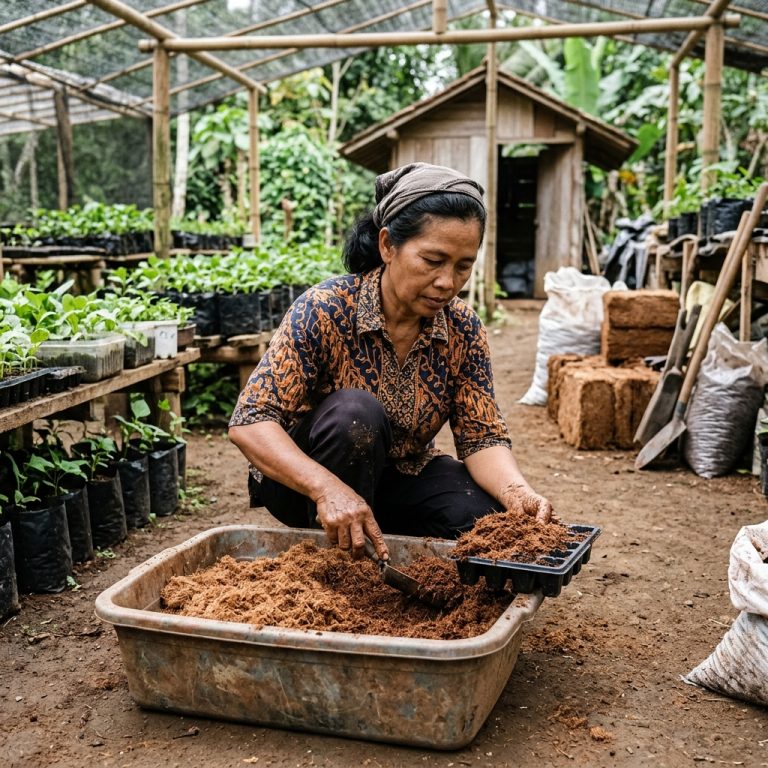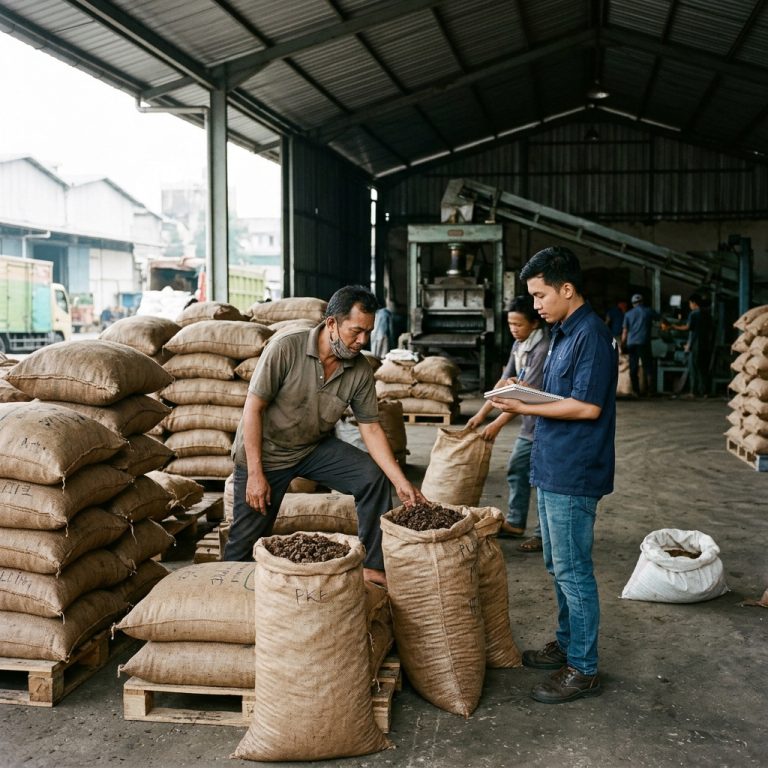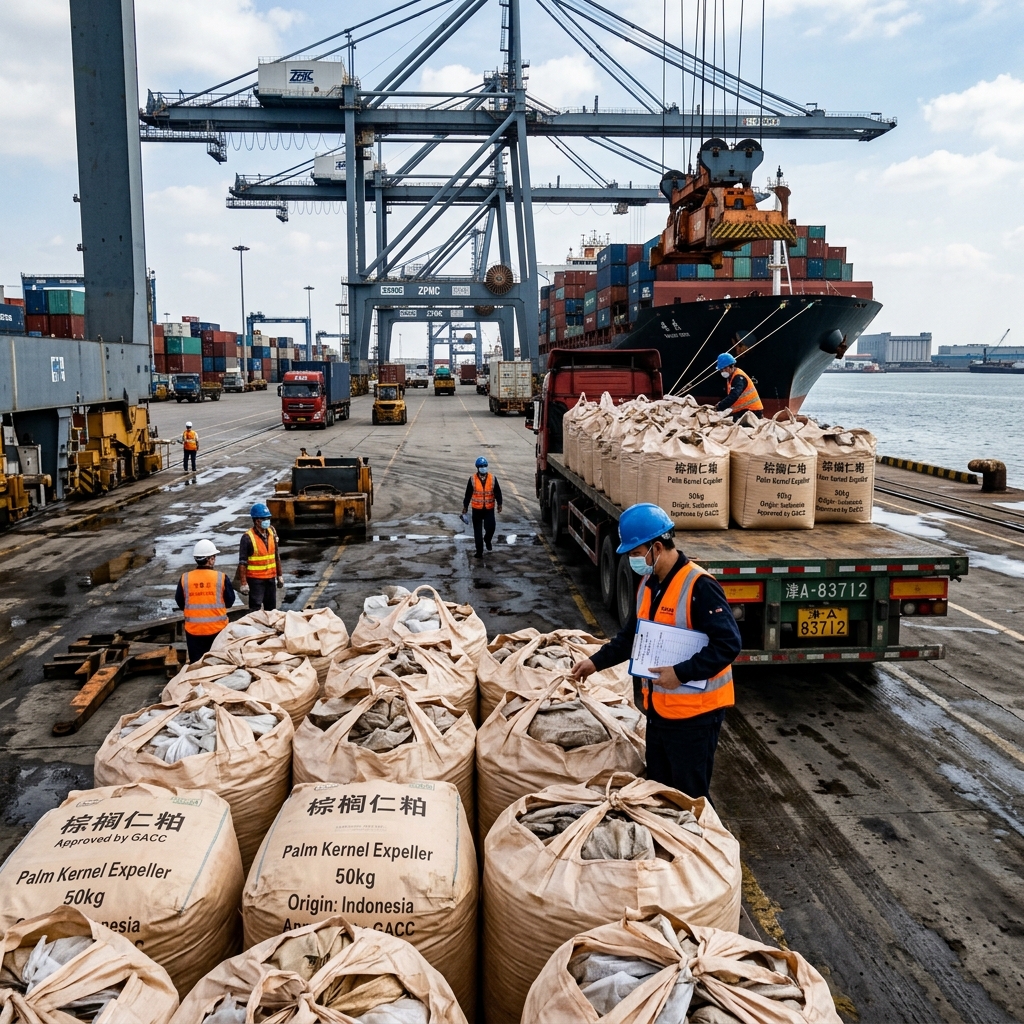
GACC Approved Palm Kernel Expeller is the premier animal feed ingredient powering China’s expanding dairy and beef feed industries in 2026. For feed millers, commodity traders, and livestock conglomerates across East Asia, securing certified shipments directly determines margin profitability and compliance success. However, China’s General Administration of Customs enforces stringent biosecurity and quality thresholds that disqualify non-compliant suppliers instantly.
Importing agricultural commodities into mainland China requires absolute procedural precision. Following the implementation of GACC Decrees 248 and 249, unregistered mills and subpar batches face immediate rejection, costly re-exportation, or port destruction. According to USDA Foreign Agricultural Service reports, China imports millions of metric tons of plant-based protein meals annually, yet non-tariff customs inspections disqualify hundreds of undocumented consignments each year.
This comprehensive guide details the exact technical specifications, HS code classifications, quarantine protocols, and documentation needed to source and import certified expeller meal without friction.
What Is GACC Approved Palm Kernel Expeller and Why Does It Matter?
GACC Approved Palm Kernel Expeller is a nutrient-dense, plant-based feed byproduct derived from mechanical screw-pressing of oil palm seeds (Elaeis guineensis), manufactured exclusively by facilities officially vetted and registered with the General Administration of Customs of the People’s Republic of China. It serves as an exceptional source of crude protein, bypass fat, and metabolizable energy for ruminant diets.

Why is official GACC accreditation indispensable? China treats imported animal feed ingredients as high-risk agricultural vectors. The General Administration of Customs of China maintains an official white-list through its China Import Food Enterprises Registration system (Single Window). If an Indonesian or Malaysian crushing mill lacks an active GACC registration code, customs agents reject the bill of lading upon arrival.
Furthermore, accredited status proves that the exporting processing mill maintains verified biosecurity protocols, low moisture controls, and independent microbiological testing. It protects importers from devastating financial losses caused by quarantine detentions at key Chinese ports like Qingdao, Shanghai, and Tianjin.
Essential Technical Specifications for GACC Approved Palm Kernel Expeller
Chinese feed compounders enforce rigid chemical and biological limits on imported palm byproducts. Sourcing GACC Approved Palm Kernel Expeller requires buyers to mandate contract parameters that comply with national feed hygiene standard GB 13078-2017.
Standard commercial expeller pellets or cakes must fulfill strict physical and chemical criteria before loading. The table below outlines the comparison between standard commercial feed-grade PKE and the required parameters for China-bound exports:
| Nutritional / Chemical Parameter | Standard Commercial PKE | GACC Export Standard (China) |
|---|---|---|
| Crude Protein (Dry Matter Basis) | 14.0% – 16.0% min | 15.0% – 17.5% min |
| Moisture Content | 12.0% max | 10.0% max (Prevents mold/heating) |
| Profat (Protein + Fat Combined) | 21.0% min | 23.0% min |
| Crude Fat / Ether Extract | 6.0% – 8.0% | 7.0% – 9.5% |
| Crude Fiber | 16.0% – 18.0% max | 15.0% max |
| Sand / Silica / Ash | 5.0% max | 3.0% max |
| Aflatoxin B1 | < 50 ppb | < 20 ppb (Strict GB 13078 Standard) |
| Physical Appearance | Brown meal / broken flakes | Homogeneous meal or pellets, no burnt smell |
Commercial buyers often diversify their feed formulations depending on commodity prices. While some mills blend ingredients with copra meal for competitive protein balances, the superior rumen-undegradable protein profile of palm expeller makes it irreplaceable for intensive cattle farming.
Laboratory Testing Protocols for GACC Decree 248 Registration
To retain certification under the GACC approved feed manufacturers list Indonesia, crushing plants must submit their facilities to periodic state inspections. These evaluations cross-check PKE crude protein content alongside pathogen screenings before export manifests are compiled.
Accredited laboratories must run batch-specific assays for Salmonella, heavy metals (cadmium, lead, arsenic), and storage fungi before cargo leaves port. Failure to preserve clear traceability back to the registered extraction mill invalidates your CIFAP phytosanitary certificate instantly.
HS Code Classification and Customs Tariff Structure
Precise tariff classification is the backbone of international trade compliance. The international standard World Customs Organization assigns palm kernel residue under Chapter 23.
When clearing customs in mainland China, importers must declare GACC Approved Palm Kernel Expeller under the following commodity codes:
- 6-Digit Global HS Code: 2306.60 (Oilcake and other solid residues from palm nuts or kernels)
- 10-Digit China CIQ Tariff Code: 2306.60.0000
- CIQ Inspection Code: 999 (Requires veterinary, phytosanitary, and feed facility inspection)
Misdeclaring expeller meal under generic residues (HS 2308) or vegetable oil byproducts triggers automatic customs audit red flags. Proper declaration under HS code 2306.60 specifications guarantees eligibility for preferential ASEAN-China Free Trade Area tariffs using Form E certification, bringing customs duty down to 0%.
Key Import Tariffs and Taxes for China
- Most Favored Nation (MFN) Duty: 5.0%
- ACFTA Preferential Tariff (Form E): 0%
- Value Added Tax (VAT): 9.0% (standard agricultural product rate in China)
Understanding the palm kernel expeller HS code China customs classification ensures that port duties are assessed correctly without administrative holdups. Importers must confirm that commercial documentation aligns seamlessly with CIQ inspection criteria.
Nutritional Advantages for Dairy and Beef Ruminants
The global livestock sector relies heavily on mechanical expeller meal due to its unique digestive properties. According to research published in Animal Feed Science and Technology, palm kernel expeller features moderate fermentation rates in the rumen, providing sustained energy release without triggering acute lactic acidosis.

In modern high-yield dairy diets, nutritionists pair expeller meal with bypass energy supplements like calcium salts of palm oil fatty acids. Furthermore, high-energy caloric densities are calibrated with refined fractions like RBD CP8 to maximize milk solids and butterfat percentages while safeguarding herd vitality.
Ruminant Energy Partitioning & Dairy Yield Gains
Dairy cows utilize the slow-release carbohydrates in palm expeller to preserve stable rumen pH levels during peak lactation. Ruminant feed raw materials must deliver balanced digestible fiber to prevent metabolic disorders in intensive feeding operations.
- High Neutral Detergent Fiber (NDF): Ranges between 55% and 65%, offering exceptional functional fiber for chewing and cudding.
- Rumen Bypass Energy: Mechanical expelling leaves residual crude palm kernel oil (7%–9%), packed with medium-chain fatty acids.
- Phosphorus to Calcium Ratio: Offers a high phosphorus profile (around 0.6%), balancing calcium-rich forage diets efficiently.
Step-by-Step China Export Guide for GACC Approved Palm Kernel Expeller
Mastering how to import palm kernel expeller to China requires disciplined operational execution. Importers and foreign suppliers must coordinate six non-negotiable compliance phases:
- Verification of Mill Listing: Confirm that the extraction mill holds an active registration code via GACC single window registration for palm products under Decree 248. The facility name and physical address must match Chinese customs database records exactly.
- Pre-Shipment Mycotoxin & Heavy Metal Screening: Execute independent testing (via SGS, CCIC, or Sucofindo) to ensure aflatoxin limits for PKE export to China remain strictly below 20 ppb, lead below 5 ppm, and arsenic below 2 ppm.
- Quarantine Fumigation: Fumigate bulk feed cargo quarantine consignments using methyl bromide or phosphine to eliminate weevils, beetles, and store-pest larvae prior to departure.
- Issuance of Phytosanitary Certificates: The origin country’s national quarantine authority (such as Barantan in Indonesia) must certify that the consignment is free from dangerous pests, soil residues, and noxious weed seeds.
- ACFTA Certificate of Origin (Form E): Apply for Form E documentation to leverage zero-import-duty treatment at the Chinese border.
- Customs CIQ Clearance at Destination Port: The consignee submits declarations through China E-Port. Customs agents verify cargo labels, extract composite samples, and clear the goods upon rapid lab validation.
Customs Clearance Protocol for GACC Approved Palm Kernel Expeller
Document discrepancies represent the primary cause of clearance delays. Customs agents at ports like Qingdao or Huangpu cross-check every single character across invoices, phytosanitary documents, and bills of lading. Ensure that the commercial invoice explicitly states the GACC manufacturer registration number alongside product descriptions.
In addition, packaging labels must comply with Chinese feed labeling laws (GB 10648). For containerized shipments in jumbo bags (tonner bags), each bag must display bilingual (Chinese and English) printing detailing batch numbers, production dates, origin, manufacturer code, and target species.
Quality Control, Contaminants, and Storage Protocols
Preserving nutritional integrity during maritime ocean transport demands rigorous moisture control. When shipping GACC Approved Palm Kernel Expeller from equatorial origins through changing climates into northern Chinese winter ports, condensation (cargo sweat) can trigger rapid fungal growth.

To eliminate heating, spoilage, and spontaneous combustion hazards:
- Keep Moisture Below 10%: Moisture levels exceeding 10.0% significantly accelerate mould growth and free fatty acid breakdown during the 14 to 25-day maritime transit.
- Control Foreign Matter: Shell fragments and extraneous matter must remain below 3.0%. Excessive palm shell causes abrasive wear on feed processing machinery and lowers overall digestibility. Industrial facilities utilize biomass like palm kernel shell separately for clean energy boilers rather than feed compounding.
- Ventilate Marine Holds: Bulk vessels must feature operating mechanical ventilation to flush out trapped heat and prevent sweat dripping onto top cargo layers.
Containerized vs. Bulk Feed Cargo Quarantine Logistics
While bulk vessels provide freight economies of scale for mega-mills, 40-foot containerized shipments lined with dry bags offer superior protection against ambient humidity. Animal feed ingredients China bound must maintain uniform quality regardless of maritime carriage mode.
Consignees purchasing palm kernel meal China export volumes should stipulate continuous temperature data logging during ocean transit. You can procure fully traceable, high-protein GACC Approved Palm Kernel Expeller to satisfy all regulatory criteria seamlessly.
Reliable Supply of Certified Palm Commodities
Makmur Amanah Sejahtera provides high-quality palm products such as Palm Kernel Expeller, Palm Kernel Shell, Crude Palm Oil, Palm Kernel Oil, etc. Kindly contact us at WhatsApp +6282140002198 or email us at admin@makmuramanah.co.id.
Frequently Asked Questions
Can any Southeast Asian mill export palm kernel expeller to China?
No. Only processing facilities officially accredited under GACC Decree 248 can export to China. Mills must receive bilateral endorsement from local ministries like Barantan in Indonesia, submit rigorous hygiene documentation, and appear on the official customs whitelist before clearing maritime ports.
What is the difference between Palm Kernel Expeller (PKE) and Palm Kernel Meal (PKM)?
Palm Kernel Expeller is manufactured through mechanical screw-pressing, retaining 7% to 9% beneficial residual fat. Palm Kernel Meal uses solvent chemical extraction, reducing oil content below 2%. Consequently, expeller meal provides significantly higher metabolizable energy for lactating dairy and feedlot beef cattle.
What is the shelf life of GACC Approved Palm Kernel Expeller during transit?
When processed below 10% moisture and stored in dry, mechanically ventilated holds, the stable shelf life spans 6 to 9 months. Controlling moisture is vital for preventing heating, lipid rancidity, and aflatoxin development during long ocean voyages across varying climate zones.
What documents are mandatory for Chinese customs clearance?
Importers must furnish the original Phytosanitary Certificate, GACC Mill Registration Certificate, ACFTA Certificate of Origin (Form E), Independent Pre-shipment Inspection Certificate (CCIC/SGS), Fumigation Certificate, bilingual packaging declaration, Commercial Invoice, Packing List, and Clean Ocean Bill of Lading.
How does China regulate mycotoxin limits in imported animal feed?
Under feed hygiene standard GB 13078-2017, China enforces an absolute Aflatoxin B1 ceiling of 20 ppb (micrograms per kilogram) for plant-based meal ingredients. Cargoes exceeding this threshold face mandatory quarantine rejection, immediate port re-export, or controlled destruction by CIQ officials.

Conclusion
Navigating China’s import framework for palm byproducts requires uncompromising attention to specification limits, quarantine regulations, and administrative documentation. The steady growth of China’s livestock sector ensures that high-energy, fiber-rich feed components remain indispensable throughout 2026 and beyond.
To succeed in this market, international buyers must verify mill registrations on the GACC Single Window before contract signing, insist on strict moisture and aflatoxin limits, and demand comprehensive independent inspection reports prior to cargo vessel departure.
By establishing rigorous quality controls and partnering with an experienced Indonesian exporter, securing your pipeline of certified GACC Approved Palm Kernel Expeller ensures your shipments clear customs quickly, avoid port penalties, and consistently deliver premium nutrition to commercial livestock.